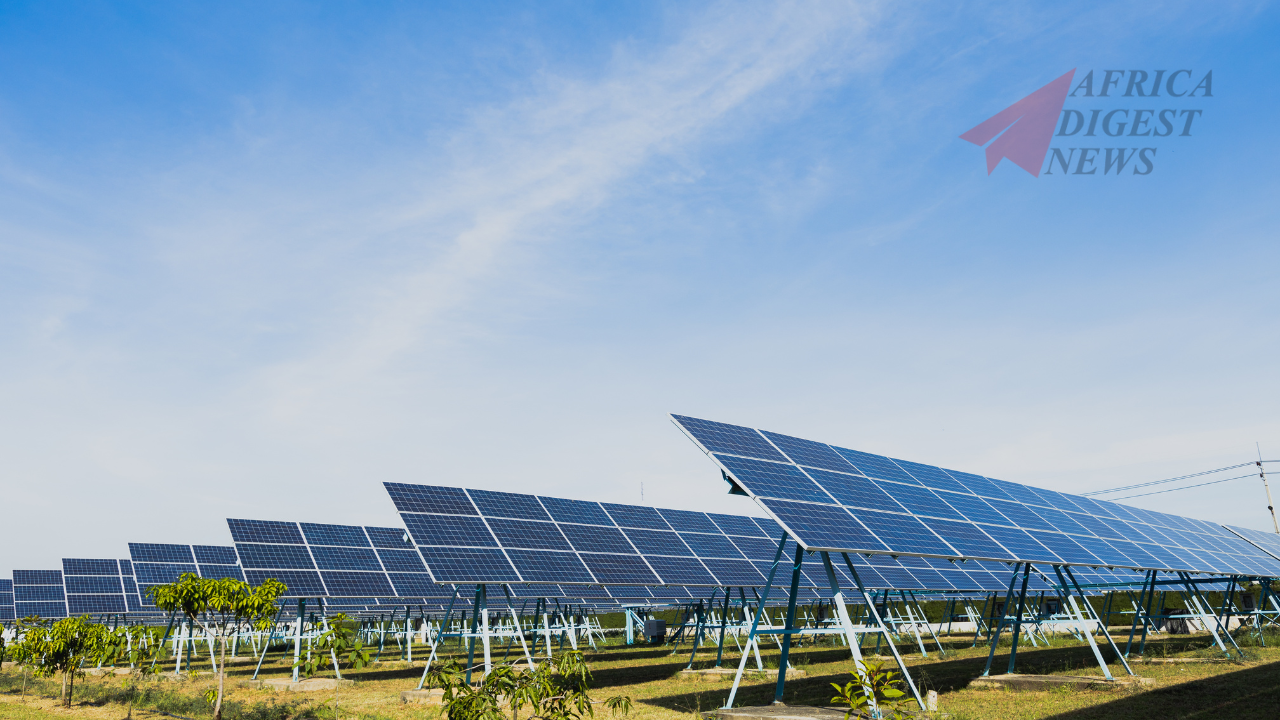
Global solar energy installations are expected to slow slightly in 2026, according to forecasts from BloombergNEF (BNEF) and the International Energy Agency (IEA).
Both organizations suggest that new capacity added next year may fall short of the record set in 2025, but the scale of the decline and the underlying context are important to understand.
BNEF projects a modest 1% drop in total solar installations, essentially maintaining last year’s pace. The IEA is more cautious, estimating a 9% decline.
While these figures indicate a potential slowdown, analysts emphasize that the projections are not certain. Supply chain issues, policy shifts, and regional project delays could push installations higher or lower than currently forecasted.
Even if the forecasts hold, the global solar sector remains on a strong growth trajectory. If installation levels remain unchanged from 2025, global capacity would still rise by roughly 25%, a substantial increase in a single year.
This highlights a key point: a small decline in annual installations does not reverse the overall expansion of solar power worldwide.
Several factors explain the predicted slowdown. In some regions, government incentives and subsidies for solar projects are tapering, which can delay new installations.
Material costs, particularly for panels and inverters, continue to fluctuate, and regulatory or permitting delays in key markets may slow project timelines. These challenges contribute to the uncertainty in forecasts.
However, the broader drivers of solar adoption remain intact. Countries are pursuing decarbonization targets, corporations are committing to renewable energy, and electricity demand continues to grow.
Even a year with slightly fewer installations adds meaningful capacity to the grid, expanding access to clean energy, reducing reliance on fossil fuels, and supporting climate goals.
The 2026 projections underscore nuance. Headlines emphasizing a decline may overstate the story. The cumulative capacity continues to rise rapidly, and the sector’s trajectory remains positive.
The small projected drop serves as a reminder that short-term fluctuations are part of a maturing market, not a reversal of long-term trends.
Read Also: Bamboo Solar Panda Login Guide for Kenya Users
In practical terms, global solar installations will remain a major contributor to electricity generation and emissions reduction in 2026. The focus for industry participants should be on managing supply chain risks, monitoring policy developments, and planning projects with flexibility.
The sector is adding capacity at a scale that reshapes energy systems, even when annual growth rates fluctuate.
While BNEF and IEA forecasts suggest a modest decline in new installations next year, global solar capacity will continue to expand significantly.
By Thuita Gatero, Managing Editor, Africa Digest News. He specializes in conversations around data centers, AI, cloud infrastructure, and energy.