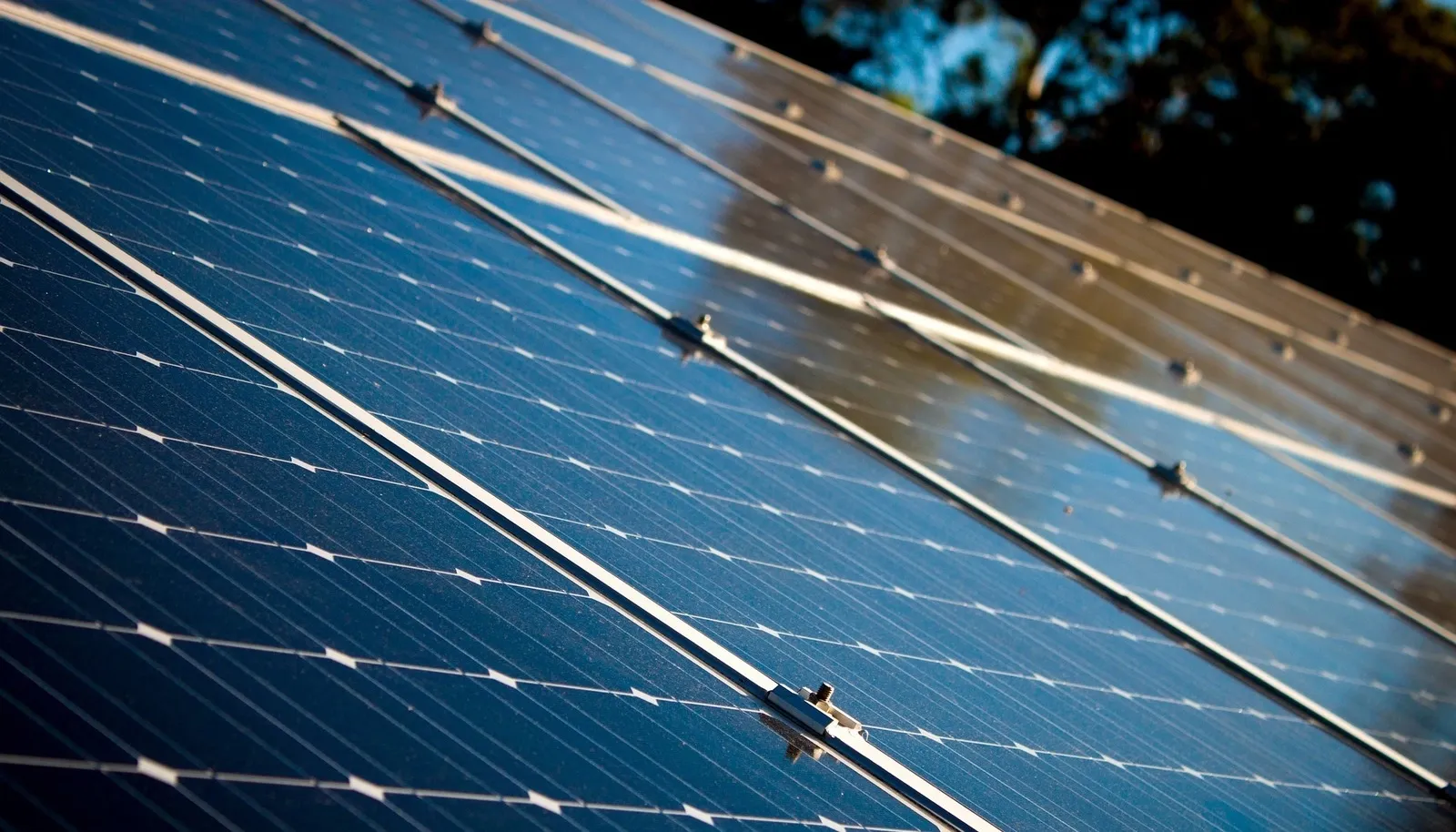
As more South Africans turn to solar, verifying your installer before signing a contract is vital. Follow these steps to avoid scams, substandard work or legal problems.
Step 1: Confirm the installer’s certification and regulatory status
- Look for a listing in an industry‑recognised directory, for example, the South African Photovoltaic Industry Association (SAPVIA) member directory. (Sapvia)
- Check whether the installer is certified under PV GreenCard, this ensures they meet safety and installation standards. (PV Green Card)
- Confirm they employ or subcontract a properly registered electrician (often registered with the labour authorities) who can issue a legal Certificate of Compliance (CoC) after installation.
Why this matters: Without recognised certification and a valid CoC, your system may not meet safety or regulatory requirements which can lead to trouble with grid connection, insurance, or resale.
Step 2: Cross‑check official directories and installer databases
- Use public directories such as the databases maintained by PV GreenCard or alternative listing services (e.g., trusted installer registries) to see if the installer appears. (PV Green Card)
- For Cape Town residents: make sure the installer’s past work includes systems authorised under the city’s guidelines. The city recommends that suppliers are certified under quality programmes like PV GreenCard or the P4 Platform. (InPower Energy)
Tip: Use search queries like “PV GreenCard installer near me” or “solar panel suppliers in Cape Town directory” to locate verified installers.
Step 3: Request full documentation and proof of past projects
- Ask for a portfolio of previous installations: locations, system size, installation date and client references.
- Demand documentation: contracts, warranties, and — in grid‑tied cases, proof that previous systems received official sign‑off (CoC, municipal approval, inverter compliance). Lack of clear documentation is a common sign of an unprofessional installer.
- Verify the authenticity of the solar panels themselves. Request serial numbers and contact the manufacturers directly to confirm origin and warranty validity. This helps avoid counterfeit or substandard products.
Step 4: Demand a site assessment and structural compliance check
- Before installation, the installer must inspect your roof and structural conditions (e.g., load-bearing capacity, shading, placement). Many municipal guidelines require a structural assessment for safety.
- Ensure the installer uses approved inverters and components that comply with national safety standards (e.g. panels with SANS/IEC certification).
Read Also: South African Solar Contracts Face Local Content Dispute
Step 5: Request a transparent, itemised quotation and avoid suspiciously low bids
- Reliable solar installers provide detailed, itemised quotes listing panel brand, inverter, batteries (if any), wiring, labour, and any municipal or grid‑connection fees.
- Be skeptical of quotes that are significantly lower than average especially those that seem “too good to be true.” These often hide cost-cutting on materials or safety shortcuts. Verified installers typically charge market‑standard prices because they meet compliance and certification requirements.
Step 6: Confirm after‑sales support, compliance paperwork and warranties
- A legitimate installer should commit to issuing all compliance paperwork after installation, electrical CoC, safety certificates, as‑built reports (PV GreenCard if applicable), warranty documentation for panels and work.
- Ask for insurance or workmanship guarantees where available. This ensures your investment is protected if something goes wrong.
Final Checklist (What to Search for Immediately)
- “SAPVIA member directory” + installer name ✔️
- “PV GreenCard certified installers” ✔️
- Previous project references & client reviews ✔️
- Certificate of Compliance (CoC) ✔️
- SANS/IEC panel certification ✔️
- Itemised quotation ✔️
- Structural site assessment ✔️
- Transparent documentation and warranty ✔️
Verifying a solar installer in South Africa in 2026 requires more than a quick Google search. Use recognised industry directories (like SAPVIA), insist on accredited certification (PV GreenCard or equivalent), demand transparent documentation, conduct a proper site assessment, and avoid deals that seem suspiciously cheap.
By following these steps with diligence and caution, homeowners and businesses can find reliable solar installers, reduce legal or safety risks, and safeguard their solar investment.