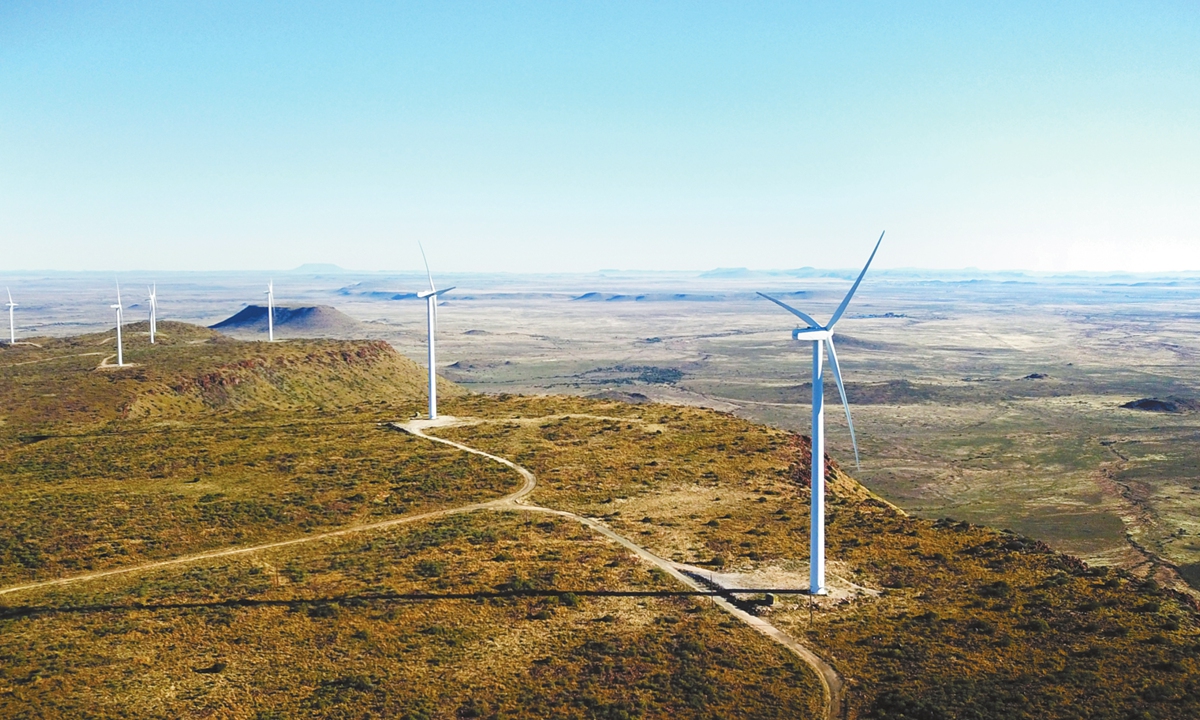
Namibia is moving to expand its renewable energy footprint through significant procurement initiatives announced by its state-owned utility, NamPower. The utility has issued a tender for six utility-scale solar photovoltaic (PV) independent power producers (IPPs) and a separate engineering, procurement, and construction (EPC) notice for a large-scale battery energy storage system (BESS). The combined projects mark a pivotal step in Windhoek’s strategy to strengthen energy security, modernize the grid, and increase the share of clean energy in the national mix.
The solar PV tenders aim to introduce additional capacity to the national grid through privately developed and operated IPPs. While NamPower has not disclosed the exact megawatt targets for each facility, the tender signals a clear government commitment to diversify generation sources and reduce reliance on fossil fuels. The parallel BESS tender highlights Namibia’s recognition of the operational challenges posed by high shares of intermittent solar generation, including grid stability and peak demand management.
Battery storage allows the grid to store excess solar energy during periods of low demand and release it during peak consumption, effectively smoothing fluctuations in supply. By pairing solar PV with utility-scale storage, Namibia positions itself to integrate renewable energy more reliably and optimize existing infrastructure without overloading transmission networks.
NamPower’s procurement approach reflects broader trends in the Southern African Power Pool and across Africa, where countries increasingly combine renewable generation with storage solutions to strengthen grid resilience. Independent analysts note that hybrid solar-storage projects are becoming essential for energy planning in regions with high solar irradiance but limited dispatchable generation.
The tenders also indicate an intent to attract private investment in Namibia’s energy sector. IPP models transfer construction and operational risk to private entities while providing the state with long-term electricity supply contracts. For investors, the combination of predictable power purchase agreements and supportive regulatory frameworks can make large-scale solar and storage projects commercially viable.
Read Also: TDF and World Bank Back ASCENT to Deliver 350,000 Clean Energy Systems to 1.8 Million People
Namibia’s electricity demand has been steadily rising, driven by industrial growth, urbanisation, and rural electrification efforts. Historically, the country has relied heavily on imports and domestic thermal generation, leaving it exposed to fuel price volatility and supply constraints. Expanding domestic renewable capacity offers a dual benefit: reducing dependency on imported power and lowering the carbon intensity of electricity generation.
Beyond energy security, these projects are expected to generate employment opportunities in construction, operations, and associated services. Large-scale procurement can also stimulate technology transfer and capacity-building within Namibia’s energy sector.
NamPower plans to evaluate bids over the coming months, with construction and commissioning timelines likely to follow soon after contract awards. The twin tenders—solar PV and BESS signal that Namibia is actively reshaping its power system to meet modern reliability standards, support sustainable development, and prepare for future demand growth.
As African utilities increasingly face pressure to decarbonize while maintaining grid stability, Namibia’s approach demonstrates a pragmatic pathway: combining renewable generation with energy storage to deliver reliable, affordable, and cleaner electricity for both urban and rural communities.


