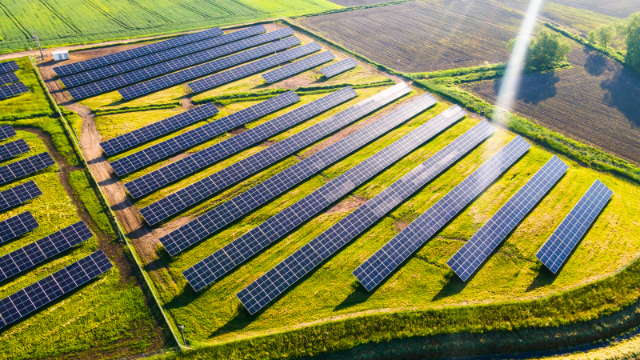
Zambia’s 312 MW distributed solar programme is being developed as 156 smaller solar plants, each connected to the electricity network close to where power is needed. That design is what makes the project technically significant. Each constituency will host a 2 MW solar plant paired with a 4 MWh battery energy storage system, connected through existing 11 kV or 33 kV substations. Instead of requiring major new transmission infrastructure, the programme uses the distribution network that is already in place, allowing faster deployment and lower construction costs.
Battery storage is a central part of the design. The batteries will store excess solar generation during the day and supply electricity during evening demand, while also smoothing fluctuations in solar output and helping maintain voltage and frequency on the grid. This reduces pressure on the electricity system and allows solar generation to behave more like a conventional power plant from the grid’s perspective.
Read Also: Why REREC’s Solar-Diesel Hybrid Strategy Makes Sense
The programme is also supported by Zambia’s existing technical standards. Developers must comply with ZESCO’s grid connection requirements, including approved system designs, protection equipment, inverter controls, and safety standards before connecting to the network. Perhaps most importantly, ZESCO’s own technical assessments indicate that the national grid can accommodate substantially more solar generation than is currently planned. The 312 MW programme represents only a portion of the utility’s estimated solar hosting capacity, leaving room for additional renewable energy projects as demand grows.
For developers, the project offers a standardised model that can be replicated across multiple sites. For investors, it demonstrates that distributed solar can be deployed at national scale within an existing utility network. And for policymakers, it provides a practical example of how renewable energy can be integrated without waiting for major transmission upgrades. The significance of Zambia’s programme is not just the amount of solar being built. It is the fact that the country is creating a repeatable framework for connecting distributed generation to the national grid while maintaining system reliability.