Madagascar has long faced challenges in providing reliable and affordable electricity to its population. The country relies heavily on fossil fuels, including heavy fuel oil (HFO), to meet growing demand, resulting in high costs, energy insecurity, and environmental strain.
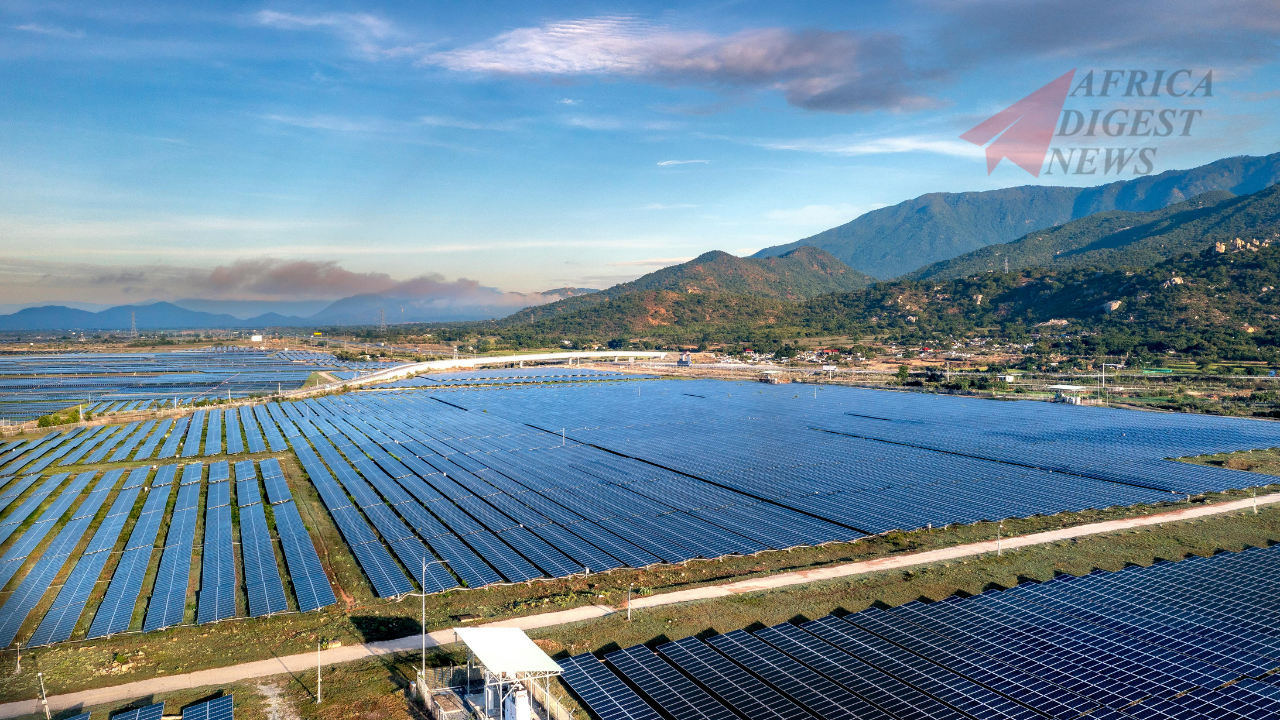
Solar energy is emerging as a practical and scalable solution, offering Madagascar a path toward a more sustainable and resilient power system. The launch of Afripower’s 40 MW solar PV project in Moramanga illustrates this shift in action.
The project, set in phases, will contribute 15 MWp to the national grid in its first stage, with completion expected in early 2026. Once fully operational, the 40 MW facility will rank among the largest solar installations on the island, signaling Madagascar’s commitment to diversifying its energy mix.
By pairing the solar plant with the existing 40 MW Mandroseza HFO power station, Afripower aims to ensure both reliability and energy security, blending renewable energy with conventional power to meet continuous demand.
Solar energy’s role in the country goes beyond supplementing existing capacity. For Madagascar, it represents a way to reduce dependency on imported fossil fuels. Heavy fuel oil is expensive to procure and transport, and fluctuations in global oil prices directly impact electricity costs for businesses and households.
By generating power locally through solar PV, Madagascar can stabilize electricity prices, improve energy access for underserved regions, and lower the environmental footprint of its power sector.
The impact on energy access is particularly significant. Many rural communities remain off-grid or rely on small, costly diesel generators. Utility-scale solar projects like Afripower’s allow more electricity to reach the main grid, indirectly supporting the extension of distribution networks and microgrid solutions to remote areas.
Read Also: Kenya commits $311 million to expand power transmission through private partnership
As electricity becomes more affordable and reliable, local businesses can operate longer hours, schools and health facilities can function more effectively, and households can shift away from polluting fuels.
Beyond cost and access, solar energy supports Madagascar’s broader energy transition agenda. The government has committed to increasing the share of renewables in its energy mix, aligning with regional climate objectives and global sustainability goals.
Large-scale solar projects signal to investors, both domestic and international, that Madagascar is a credible market for renewable energy investment, attracting capital for further expansion of wind, solar, and hybrid projects.
Afripower’s Moramanga plant also highlights a practical approach to integrating solar with existing infrastructure. By operating alongside the Mandroseza HFO plant, the system can balance intermittent solar generation with conventional power, avoiding supply disruptions while gradually shifting reliance toward cleaner energy sources.
This blended approach provides a model for other island and developing nations where grid stability and renewable integration remain challenges.
Solar energy plays a strategic role in Madagascar’s energy transition. It reduces dependency on imported fuels, lowers electricity costs, expands energy access, and supports the country’s environmental and economic goals.
Afripower’s 40 MW project in Moramanga exemplifies how renewable energy can be deployed at scale, complement existing infrastructure, and pave the way for a more resilient and sustainable power system.
By Thuita Gatero, Managing Editor, Africa Digest News. He specializes in conversations around data centers, AI, cloud infrastructure, and energy.