Solar tenders are where large-scale projects are born. In 2025, governments and development organizations across East Africa issued tenders for hundreds of megawatts of solar capacity, creating opportunities for EPC contractors, installers, and solar companies to secure multi-million-dollar contracts.
However, winning tenders requires more than technical capability; it requires understanding the tendering process, preparing competitive bids, and navigating complex procurement procedures. This article provides a roadmap for competing and winning solar tenders in East Africa.
The Tender Landscape: Where the Opportunities Are
East Africa’s solar tender pipeline is robust. Kenya has issued tenders for utility-scale solar projects, mini-grids for rural electrification, and hybrid solar-diesel systems for industrial applications.
Uganda continues to issue tenders under its FIT framework, with projects ranging from 5 MW to 50 MW. Tanzania is scaling up its renewable energy procurement, with tenders for both grid-connected and off-grid solar projects.
The African Development Bank, the World Bank, and bilateral development agencies are also issuing tenders for solar projects across the region. These development-financed tenders often come with concessional financing, making them more attractive to developers and contractors.
However, they also come with stricter compliance requirements and longer procurement timelines.
Types of Tenders
Solar tenders fall into several categories, each with different requirements and opportunities. Understanding the category is the first step in determining whether to bid.
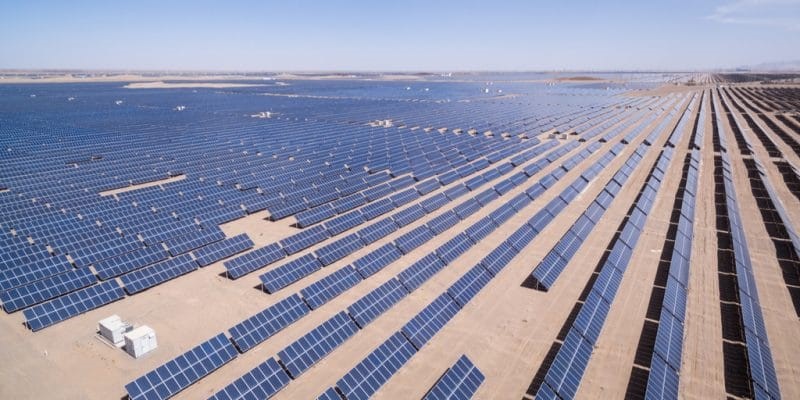
Utility-Scale Solar Tenders: These are typically issued by national utilities or grid operators for projects ranging from 10 MW to 100+ MW.
These tenders are competitive, with bids from international EPC contractors and large regional developers. To win, you need significant financial capacity, proven experience with large projects, and access to financing.
The advantage is that these projects are large and profitable; the disadvantage is that competition is fierce.
Mini-Grid and Off-Grid Tenders: These are issued by governments, development organizations, and private companies for projects ranging from 100 kW to 5 MW. These tenders are less competitive than utility-scale tenders, and they often prioritize local contractors and developers.
The advantage is that the barrier to entry is lower; the disadvantage is that project margins are typically smaller.
Hybrid and Industrial Solar Tenders: These are issued by industrial companies, agricultural operations, and government agencies for solar-diesel hybrid systems or dedicated industrial solar installations.
These tenders are often less publicized than utility-scale tenders, but they can be highly profitable. The advantage is that competition is lower; the disadvantage is that you need to actively search for these opportunities.
Where to Find Tenders
The first step in winning tenders is knowing where to find them. Several platforms aggregate solar tenders across East Africa and Africa more broadly.
Global Tenders (www.globaltenders.com): This platform aggregates tenders from across East Africa, with a dedicated section for solar tenders. You can set up alerts for new tenders in your country or region.
Development Aid (www.developmentaid.org): This platform focuses on development-financed tenders, with a strong presence in East Africa. Most tenders here are from multilateral development banks or bilateral donors.
Scale (www.scale.co.ke): This is a Kenya-focused platform that aggregates government and private sector tenders. It includes a section for energy and renewable energy tenders.
National Tender Portals: Each East African country maintains a national tender portal where government tenders are published. In Kenya, this is the Central Tender Board portal. In Uganda, it is the Public Procurement and Disposal Authority (PPDA) portal.
Direct Relationships: Many solar tenders are issued by private companies and development organizations that do not publish on public platforms. Building relationships with project developers, consultants, and government officials is critical for accessing these opportunities.
Read Also: How Government Incentives Are Reshaping Solar Projects Across Africa
Preparing a Winning Bid
Preparing a competitive bid requires careful attention to the tender requirements and a clear demonstration of your capability to deliver the project.
Technical Proposal: The technical proposal should demonstrate that you understand the project requirements and have a credible approach to delivering them. This includes system design, equipment selection, installation methodology, quality assurance procedures, and project timeline. The proposal should be detailed but concise, and it should clearly address each requirement in the tender documents.
Financial Proposal: The financial proposal should be competitive but realistic. Underpricing is a common mistake that leads to project losses. Your pricing should be based on a detailed cost estimate that includes equipment, labor, logistics, contingencies, and profit. A realistic profit margin is typically 10-15% for EPC contractors and 15-25% for smaller installers.
Qualifications and Experience: You must demonstrate that your company has the experience and qualifications to deliver the project. This includes previous projects of similar scale and complexity, certifications and licenses, and the qualifications of key personnel. Tender evaluators will scrutinize this section carefully, so ensure that your claims are verifiable and supported by documentation.
Financial Capacity: Many tenders require proof of financial capacity, typically demonstrated through audited financial statements, bank references, and letters of credit. If your company is small, you may need to partner with a larger company or obtain a performance bond from a financial institution.
Local Content and Employment: Many tenders, particularly those financed by development organizations, include requirements for local content and employment. You should demonstrate your commitment to hiring local workers, sourcing local materials, and building local capacity.
Common Tender Mistakes to Avoid
Incomplete Submissions: Tender evaluators often reject bids that do not include all required documentation. Before submitting, go through the tender requirements checklist item by item.
Unrealistic Timelines: Promising to deliver a project faster than is realistically possible is a recipe for project failure. Tender evaluators understand realistic timelines; they will penalize bids that are unrealistic.
Inadequate Contingencies: Many bidders underestimate costs by failing to include adequate contingencies for unforeseen circumstances. A typical contingency is 10-15% of the base cost.
Poor Presentation: Tender evaluators receive dozens of bids. A well-organized, clearly written proposal will score higher than a poorly organized one, even if the technical content is similar.
Failure to Comply with Tender Requirements: Some tenders require specific formats, document sizes, or submission procedures. Failure to comply can result in automatic rejection.
Post-Award Execution
Winning the tender is only the first step. Successful project execution is what builds your reputation and leads to future tenders. Key success factors include:
- Strict Adherence to Schedule: Delays are costly and damage your reputation.
- Quality Control: Ensure that all work meets the technical specifications in the tender documents.
- Communication: Maintain regular communication with the client and keep them informed of progress.
- Safety and Compliance: Prioritize worker safety and regulatory compliance throughout the project.
By Thuita Gatero, Managing Editor, Africa Digest News. He specializes in conversations around data centers, AI, cloud infrastructure, and energy.