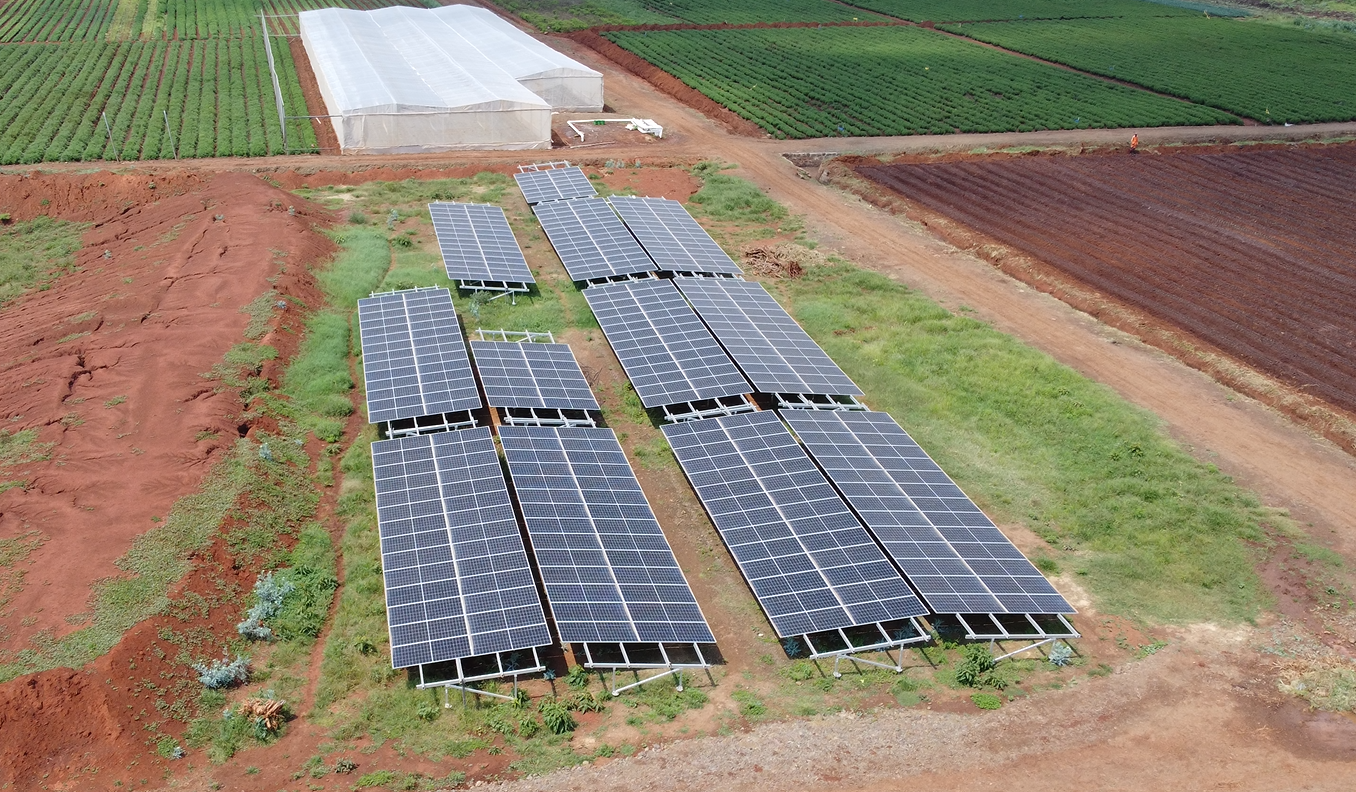
Aptech Africa has successfully installed a 150 kWp solar photovoltaic (PV) system paired with a 217.62 kWh Alpha ESS battery bank at Juba Military Hospital, in partnership with the UNDP–Global Fund Programme.
The hybrid solar-plus-storage project is designed to prioritize solar generation and battery use, while keeping diesel generators only as a last resort. The system is being hailed as a major leap toward reliable, low-carbon power for life-saving healthcare services in South Sudan.
Reliable Power for Critical Healthcare
Before the installation, Juba Military Hospital relied almost entirely on diesel generators. Fuel shortages and high operating costs often meant the generators ran only intermittently, leaving wards, surgical theaters, and maternity units without power during critical times.
With the new solar and battery system in place, the hospital can now sustain night-time electricity loads such as operating theaters, laboratories, neonatal care equipment, and vaccine refrigeration. The hybrid setup ensures that solar energy powers the hospital during the day, the batteries discharge at night, and generators only switch on when solar and storage are insufficient.
For staff and patients, this translates to uninterrupted healthcare delivery: surgeries can proceed without blackout risks, medical fridges keep vaccines safe, and lighting in wards and hallways is guaranteed.
Technical and Design Features
The project included more than just mounting panels. Aptech Africa’s team executed:
- Carport-mounted solar arrays that maximize space efficiency while providing shaded parking.
- A full upgrade of the hospital’s main distribution board, ensuring smooth integration of renewable and backup power sources.
- Cable management improvements, including burying previously exposed generator cables to reduce hazards and improve reliability.
The system uses Alpha ESS battery modules and a smart hybrid control system that automatically manages energy flows. This “solar → battery → generator” sequence ensures maximum reliance on renewables while minimizing fuel consumption.
Transforming Patient Care
The medical impact of reliable electricity cannot be overstated. Juba Military Hospital is one of South Sudan’s busiest facilities, often handling dozens of emergency procedures daily. Reports suggest that the hospital performed up to 15 caesarean sections in a single day all of which require consistent lighting, sterilization equipment, and surgical tools.
Before solarization, staff sometimes performed procedures under candlelight or torches during outages. With the new system, lifesaving operations such as C-sections, trauma surgeries, and oxygen therapy are no longer interrupted. Neonatal incubators, laboratory diagnostic equipment, and vaccine cold-chain storage can all function without disruption.
For healthcare workers, reliable electricity also means improved safety and morale. Night shifts are less dangerous, security lighting around the compound is stable, and patient monitoring equipment functions continuously.
Part of a Broader UNDP–Global Fund Drive
The project is part of the Solar for Health initiative, a global UNDP–Global Fund program designed to bring sustainable power to healthcare facilities in vulnerable regions.
In South Sudan alone, 28 hospitals and health centers have been earmarked for electrification. Juba Military Hospital was prioritized due to its strategic importance as a referral center. Globally, the Solar for Health programme has equipped hundreds of facilities with solar energy, building a proven model for reliable and scalable healthcare electrification.
The initiative also focuses on capacity building and training, ensuring that local technicians can maintain the systems long-term. In many cases, women have been trained as solar engineers and technicians, helping to close gender gaps in the energy sector while supporting sustainability.
Economic and Environmental Impact
Running a diesel-powered hospital is expensive. Fuel costs, supply-chain bottlenecks, and generator maintenance put enormous pressure on healthcare budgets. The hybrid solar system reduces these costs significantly by cutting back on fuel consumption and wear-and-tear on generators.
Beyond economics, the environmental benefits are clear. Diesel generators emit harmful pollutants and carbon dioxide. By switching to a solar-plus-storage system, Juba Military Hospital lowers its greenhouse gas emissions, reduces air pollution, and contributes to South Sudan’s climate commitments.
UNDP estimates that such healthcare solar projects typically pay for themselves in 2 to 3.5 years through fuel and maintenance savings making them both financially and environmentally sustainable.
Aptech Africa’s Growing Role
Aptech Africa, the engineering firm behind the project, has become a regional leader in deploying solar and storage systems across Africa. Its portfolio includes healthcare electrification projects in the Central African Republic, Sierra Leone, and The Gambia.
The company’s expertise in hybrid solar-battery-diesel integration has made it a preferred partner for international development agencies and governments seeking to stabilize critical infrastructure with renewable energy.
While the hardware installation is critical, long-term success depends on operations and maintenance. UNDP emphasizes the importance of training local staff to monitor systems, replace faulty parts, and manage energy flows effectively.
For Juba Military Hospital, sustainability will require:
- Ongoing maintenance contracts with local technicians.
- Battery management training, ensuring optimal performance and longevity.
- Monitoring systems that track performance and alert staff to issues.
- Funding models that support replacement parts and upgrades as needed.
Also read: How Africa Can Diversify Its Renewable Energy with Hydropower
By embedding these practices, the hospital’s solar system can serve reliably for over a decade, ensuring long-term health resilience.
Why This Matters for Africa’s Healthcare Future
Across Africa, thousands of healthcare facilities lack reliable electricity. In rural or conflict-affected regions, patients are often turned away or risk unsafe procedures due to power outages. Solar hybrid systems like the one at Juba Military Hospital provide a replicable, scalable solution.
The success of this project sends a strong signal: renewable energy is not just about climate goals it is about saving lives today. By reducing dependence on costly, polluting diesel, hospitals can redirect funds to medicines, staff salaries, and patient care.
For South Sudan, a country rebuilding after years of conflict, this project represents more than clean power; it symbolizes hope, resilience, and progress.