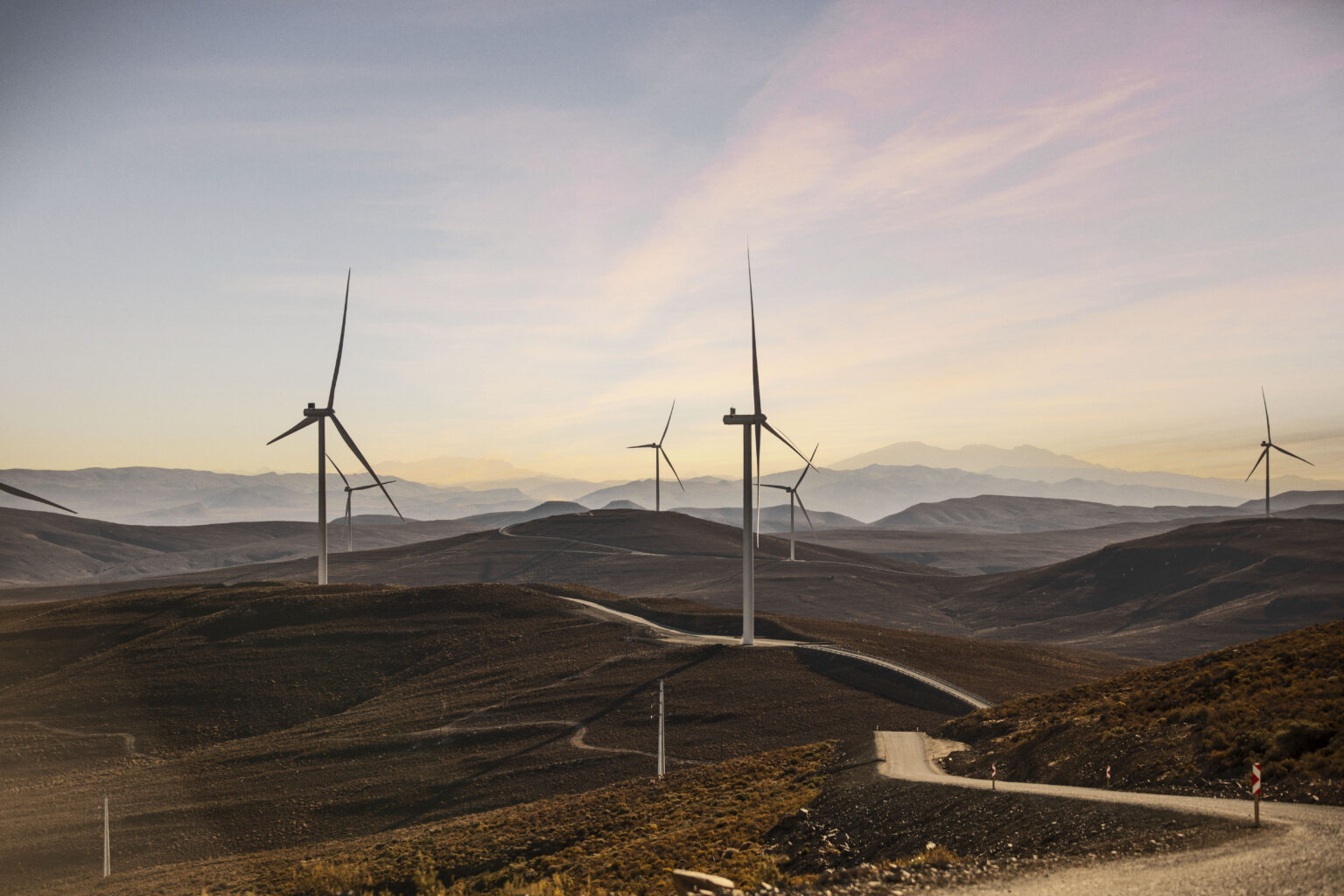
African countries are increasingly making headlines not for energy poverty, but for renewable leadership. Among them, 10 countries stand out for having the highest renewable energy share in their power mix, with some nearing or reaching 100% renewables. Ethiopia, the Democratic Republic of Congo (DRC), and Lesotho lead this transformation.
Renewable Energy as a Backbone for Africa’s Future
In a continent historically characterized by low electrification rates and high fossil fuel dependence, the rise of renewables signals a seismic shift. Not only are these countries embracing cleaner sources of energy, but they’re also proving that industrial development and environmental stewardship can coexist.
Hydropower, geothermal, and solar now power entire nations. While many global economies struggle to diversify away from coal and oil, these African nations are proving that renewable energy isn’t just a luxury,it’s a strategic necessity and a developmental advantage.
Africa’s Top Renewable Energy Leaders
The list below ranks African countries by the share of renewable energy in their electricity generation mix, and includes a breakdown of installed capacity by energy source
1. Ethiopia – 100% Renewable Energy
- Total Installed Capacity: ~4,500 MW
- Hydropower: ~3,800 MW
- Wind: ~324 MW
- Solar: ~25 MW
- Geothermal: 0 MW (projects under development)
- Why It Works: Government-backed mega-dams like GERD and centralized planning. Ethiopia is also an energy exporter.
2. Democratic Republic of Congo (DRC) – ∼100% Renewable Energy
- Total Installed Capacity: ~2,500 MW
- Hydropower: ~2,400 MW
- Solar/Wind/Geothermal: Minimal or none
- Why It Works: Rich hydropower resources and favorable topography, especially the Inga River complex.
3. Lesotho – 99.9% Renewable Energy
- Total Installed Capacity: ~72 MW
- Hydropower: ~72 MW
- Solar/Wind/Geothermal: None
- Why It Works: Lesotho Highlands Water Project and cooperation with South Africa.
4. Eswatini – 99.8% Renewable Energy
- Total Installed Capacity: ~60 MW
- Hydropower: ~60 MW
- Solar/Wind/Geothermal: None
- Why It Works: Relies on imports and integration with Southern African Power Pool.
5. Uganda – 97.7% Renewable Energy
- Total Installed Capacity: 2,048.1 MW
- Hydropower: ~1,720 MW
- Solar: ~92 MW
- Bagasse (Biomass): ~164 MW
- Geothermal: None (under exploration)
- Why It Works: Investments in rural electrification and strong donor support.
6. Mozambique – 95.4% Renewable Energy
- Total Installed Capacity: ~2,800 MW
- Hydropower: ~2,600 MW
- Solar: ~40 MW
- Wind/Geothermal: None
- Why It Works: Cahora Bassa Dam and cross-border energy trade.
7. Namibia – 91% Renewable Energy
- Total Installed Capacity: ~680 MW
- Hydropower: ~347 MW
- Solar: ~150 MW
- Wind: ~5 MW
- Geothermal: None
- Why It Works: Favorable solar conditions and stable governance.
8. Zambia – 82.8% Renewable Energy
- Total Installed Capacity: 3,871.37 MW
- Hydropower: ~3,162 MW
- Solar: ~94 MW
- Wind/Geothermal: None
- Why It Works: Abundant water resources and regional partnerships.
9. Kenya – 79.7% Renewable Energy
- Total Installed Capacity: ~3,490 MW
- Geothermal: ~985 MW
- Hydropower: ~810 MW
- Wind: ~425 MW
- Solar: ~210 MW
- Why It Works: Diverse renewables, IPP reforms, and grid investment.
10. Cameroon – 79.5% Renewable Energy
- Total Installed Capacity: ~1,500 MW
- Hydropower: ~1,200 MW
- Solar: ~10 MW
- Wind/Geothermal: None
- Why It Works: Strong government focus on renewable mini-grids.
Also read: Billionaire Twiggy Forest’s $51 Billion Vision: Moroccan Sun to Power British Homes
Trends Behind the Rankings
1. Hydropower Dominates, But at What Cost?
While these countries show admirable renewable shares, most depend on a single renewable source hydropower. This exposes them to climate risks like droughts. Zambia and Uganda have already faced blackouts due to reduced water levels. A key lesson is the need for energy mix diversification within renewables.
2. Small Countries, Big Impact
Countries like Lesotho and Eswatini demonstrate that scale is not a barrier to clean energy leadership. Through regional integration and smart water-energy diplomacy, these nations have leveraged limited resources for maximum impact.
3. Geothermal and Solar: The Next Frontier
Kenya’s geothermal leap is a model for volcanically active nations like Ethiopia and Rwanda. Similarly, solar-rich countries like Namibia are testing hybrid solutions that mix hydro with solar farms and battery storage.
What’s Holding Others Back?
1. Infrastructure Deficit
In countries like Nigeria or South Africa, renewable potential is vast but underexploited due to poor grid infrastructure, policy uncertainty, and fossil fuel lobbies.
2. Financing Gaps
High upfront costs, lack of private sector confidence, and bureaucratic hurdles stall progress in many parts of West and Central Africa.
3. Policy and Governance Challenges
Countries that lack a clear energy policy or feed-in tariff frameworks struggle to attract investors. In contrast, Ethiopia and Kenya’s energy master plans provide long-term security for developers.
Lessons for the Continent (and the World)
- Natural resources are not enough. Political will, regional collaboration, and investment-friendly policies are essential.
- Diversification matters. Sole dependence on hydro is risky; expanding into solar, wind, and geothermal improves resilience.
- Exporting clean energy can boost economies. Ethiopia, Mozambique, and DRC prove that renewable energy can become a key export commodity.
What the Future Holds
Africa has the potential to become the world’s renewable energy laboratory. With 60% of the best solar resources globally, massive untapped geothermal basins, and abundant wind corridors, the next 10 years could see more countries climbing the renewable rankings if they get the investment, governance, and infrastructure pieces right.