Sub-Saharan Africa is entering a decisive decade for solar energy. Countries across the region are looking to diversify power sources, expand electricity access, and attract investment.
Angola, long reliant on hydropower and fossil fuels, is now moving toward utility-scale solar, with international and local companies leading the charge.
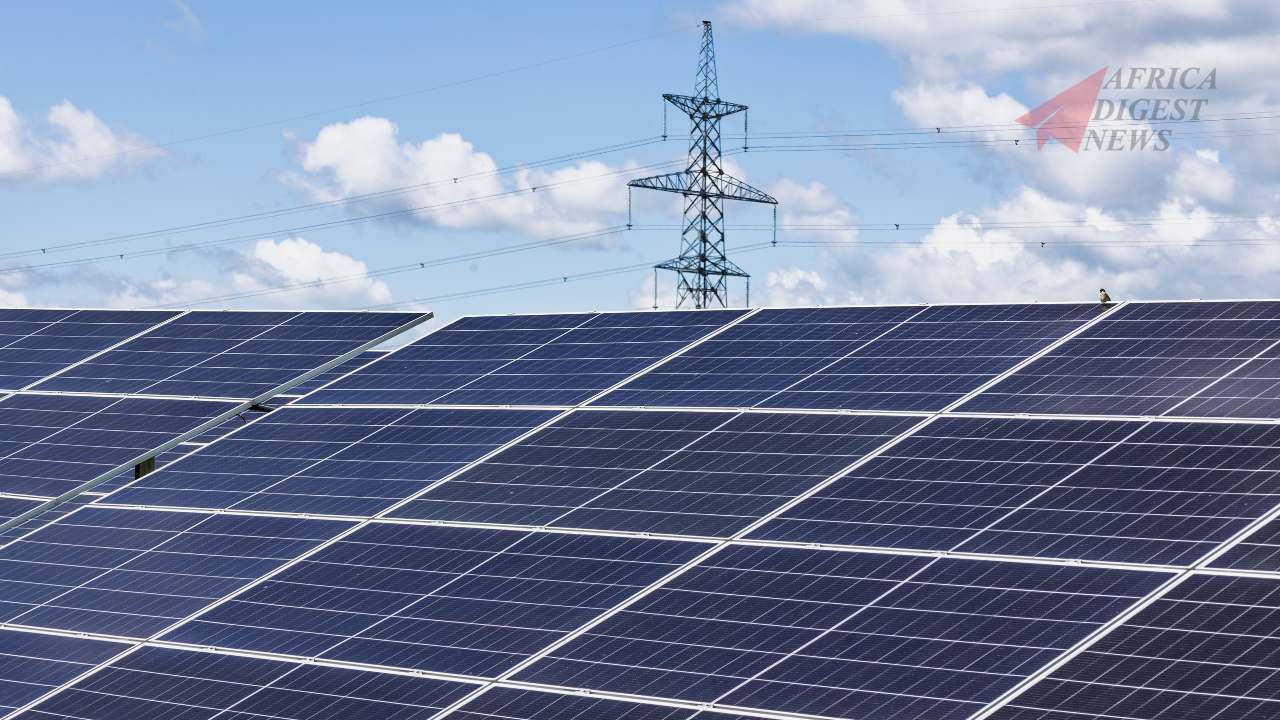
One of the most prominent examples is Masdar, the Abu Dhabi Future Energy Company. In December 2025, Masdar signed its first Power Purchase Agreement (PPA) in Angola for the 150 MW Quipungo Solar PV project, the initial phase of the broader Project Royal Sable, a 500 MW solar programme spanning three locations in southern Angola.
The PPA guarantees long-term offtake with the state-owned Rede Nacional de Transporte de Electricidade (RNT-EP), providing commercial certainty to the project. Once operational, Quipungo will anchor the wider programme, supplying clean electricity to around 300,000 homes and creating more than 2,000 jobs.
Masdar’s footprint in Africa already spans South Africa, Egypt, and Senegal through its joint venture Infinity Power, with 1.3 GW of operational solar and wind assets and a pipeline of 13.8 GW in various stages, including battery storage and green hydrogen.
The Quipungo PPA marks Masdar’s first major offtake in Angola, signaling confidence in structured agreements that de-risk investment in frontier energy markets.
Other global players are also investing heavily across sub-Saharan Africa. TotalEnergies, Enel Green Power, and Mainstream Renewable Power have deployed or are constructing utility-scale solar projects in South Africa, Zambia, and Senegal.
Their involvement highlights a shift: these companies are no longer testing the market with small pilot projects. They are committing to multi-hundred megawatt solar plants that address national energy deficits and support industrial and residential demand.
Domestic actors are also stepping up. In countries like Kenya and Nigeria, local energy developers are increasingly participating in large-scale solar tenders under government programmes.
These players bring knowledge of local regulations, financing mechanisms, and grid dynamics, factors critical for successful project execution in markets where infrastructure and regulatory frameworks remain uneven.
Read Also: Can hydrogen fuel cells replace diesel generators in sub-Saharan Africa?
Solar adoption has historically lagged behind hydropower and fossil-fuel-based generation in Angola. Beyond increasing generation capacity, the programme strengthens southern Angola’s power grid and supports national climate goals, with emissions reductions eligible as internationally transferred mitigation outcomes (ITMOs) under the Paris Agreement.
The project demonstrates how structured partnerships, combining local and international expertise can de-risk investment while scaling access to clean electricity.
The sub-Saharan solar boom is therefore a combination of global capital, local knowledge, and supportive policy frameworks. Companies like Masdar lead with scale and experience, while domestic developers and regional players adapt technologies to the continent’s unique challenges.
As Africa’s population grows and electricity demand rises, these projects are essential infrastructure shaping energy security and sustainable development.
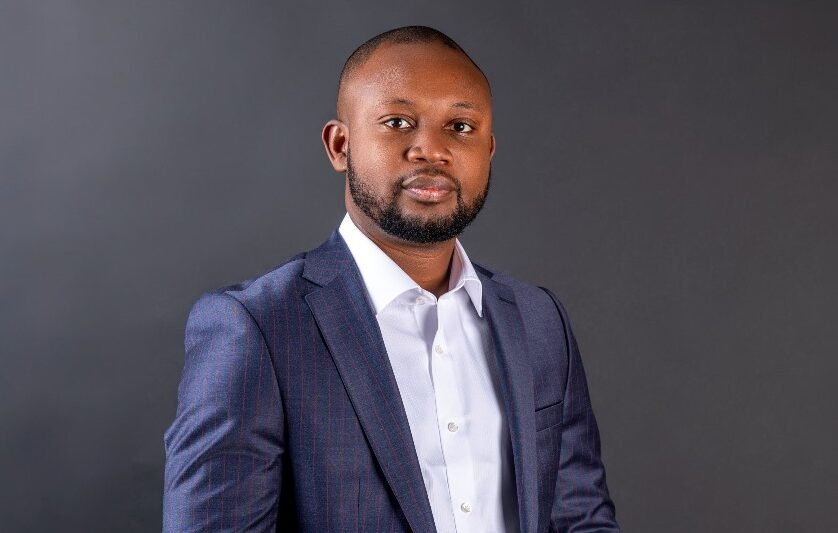
By Thuita Gatero, Managing Editor, Africa Digest News. He specializes in conversations around data centers, AI, cloud infrastructure, and energy.