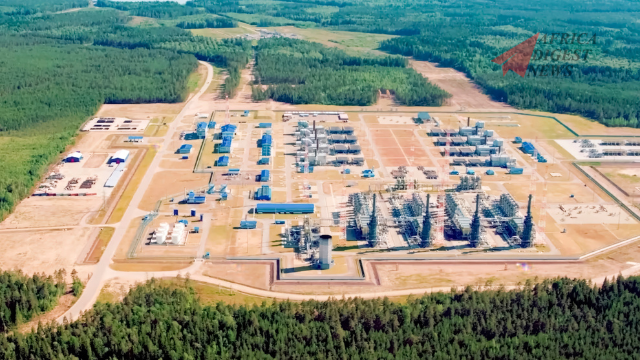
A UAE-based company, Global South Utilities (GSU), has begun construction of a 50-megawatt (MW) solar photovoltaic power plant in Sakaï, Central African Republic (CAR). The project will include a 10 megawatt-hour (MWh) battery energy storage system (BESS), marking one of the largest renewable energy initiatives in the country’s history. Officials say the project will deliver electricity to more than 300,000 households while reducing carbon emissions by over 50,000 tonnes annually.
The groundbreaking ceremony was attended by President Faustin-Archange Touadéra and senior government officials, underlining the importance of the project to CAR’s energy transition. According to GSU’s managing director, Ali Alshimmari, the solar plant represents a “turning point” in efforts to close the energy access gap in one of the world’s least-electrified nations.
Why This Project Matters
The Central African Republic is among the lowest-ranked countries globally in terms of electricity access. Current electrification levels are estimated at just 15–18 percent of the population, with reliable power mainly concentrated in the capital, Bangui. Outside major towns, communities depend heavily on costly and polluting diesel generators, while frequent blackouts hinder economic development.
The 50 MW Sakaï solar plant will double down on efforts to expand renewable energy infrastructure in CAR. By integrating a 10 MWh BESS, the project will provide short-term balancing, ensuring electricity availability during evening peak demand and mitigating fluctuations in solar output. While not a full solution for long-duration storage, this is a crucial step toward stabilizing the grid and reducing reliance on imported diesel.
To understand the scale of the project, it is useful to put the numbers into perspective:
- 50 MW capacity: Significant for CAR’s small power sector, where total installed capacity is extremely limited. This plant could represent a major increase in available generation.
- 300,000 households powered: If realized, this could cover nearly half of CAR’s population, offering a transformative boost to electricity access.
- 10 MWh storage: While modest compared to large-scale international projects, this storage will allow smoothing of solar production and limited supply during outages.
- 50,000 tonnes of CO₂ avoided annually: Equivalent to removing thousands of cars from the road each year, highlighting the climate benefits of the project.
Also read: Ethiopia Expands Renewable Energy to Fight Climate Impacts and Power Millions
When compared with a 25 MW solar plant commissioned in Bangui in 2023, which already doubled generation capacity in the capital, Sakaï’s 50 MW scale demonstrates the leap that CAR is taking toward renewables.
Political and Economic Significance
The solar project also reflects broader economic and diplomatic ties between CAR and the UAE. In March 2025, the two nations signed a Comprehensive Economic Partnership Agreement (CEPA) designed to deepen trade and investment. The Sakaï solar farm is one of the first major energy projects announced under this agreement, signaling that Gulf investment is now playing a central role in CAR’s infrastructure development.
For the UAE, the project represents part of its growing portfolio of African renewable energy investments. GSU has also announced planned projects in Madagascar and other African nations, showing that the Sakaï initiative is part of a larger regional push.
While the potential benefits are substantial, several uncertainties surround the project:
- Financing Transparency
The exact financial structure of the project has not yet been disclosed. Details of power purchase agreements (PPAs), tariffs, and lenders are crucial for understanding whether electricity will remain affordable and whether CAR’s government is assuming risky liabilities. - Contractors and Supply Chain
GSU has not yet revealed the engineering, procurement, and construction (EPC) partners or the source of key equipment such as panels and batteries. These decisions will affect both costs and timelines, as well as the degree of local participation. - Grid Readiness
CAR’s weak grid is a major bottleneck. Without investments in transmission and distribution, even a 50 MW solar farm cannot reliably deliver power to households nationwide. Past donor-supported projects have focused on grid reinforcement, but Sakaï’s success will depend on complementary upgrades.
If implemented effectively, the Sakaï project can provide multiple benefits for the Central African Republic:
- Job Creation: Hundreds of jobs are expected during construction, with additional long-term positions in operations and maintenance.
- Skills Transfer: Training programs could enable local engineers and technicians to gain valuable expertise in renewable energy.
- Community Development: Reliable electricity will benefit schools, hospitals, and small businesses, spurring economic activity and improving quality of life.
- Energy Security: By reducing dependence on diesel imports, CAR can save foreign exchange reserves and lower exposure to volatile global fuel prices.
However, for these benefits to materialize, clear frameworks must be established for local hiring, procurement transparency, and consumer protection. Otherwise, the gains could be limited to headline figures without lasting impact.
Also read: Uasin Gishu Residents Gain from ‘Stima Mashinani’ Electrification Drive
Several key developments will determine the ultimate success of the Sakaï project:
- Power Purchase Agreement (PPA): Disclosure of tariff levels and financing terms will show whether the project delivers affordable electricity.
- Contract Awards: Announcements of EPC contractors and equipment suppliers will clarify construction timelines and local participation.
- Grid Upgrades: Investments in transmission and distribution will be essential to ensure generated power actually reaches households.
- Commissioning Timeline: The speed of construction will affect both energy security and political optics, especially with rising demand in Bangui and surrounding regions.