By Thuita Gatero, Managing Editor, Africa Digest News. He specializes in conversations around data centers, AI, cloud infrastructure, and energy.
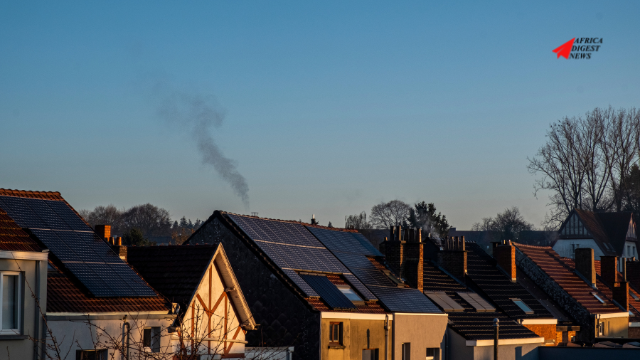
President William Ruto has admitted Kenya currently lacks the electricity capacity to support hyperscale data centers, the kind demanded by Big Tech and AI infrastructure players like Google, AWS, and Microsoft. Speaking to Kenyans in Doha, Qatar, the President revealed that Kenya is now forced into daily evening load-shedding between 5pm and 10pm to stabilise the national grid as demand outstrips supply.
Ruto argued that while data centers represent a huge digital opportunity, Kenya does not yet have the power infrastructure to host them at scale. “One data center requires 1,000 megawatts, but we only have 2,300 megawatts,” he said, a statement that has triggered debate among energy and tech analysts.
“One data center requires 1,000 megawatts… but we only have 2,300 megawatts.” President William Ruto
Kenya is now experiencing clear signs of peak-hour energy stress, a challenge that has been building quietly but is now impossible to ignore. Current peak electricity demand has risen to approximately 3,158MW, the grid can only reliably deliver around 2,300MW. For perspective, Kenya recently recorded a historic high of 2,412MW in October 2025.
This is why, despite official denial of “load-shedding,” many households are experiencing scheduled evening outages. Kenya is entering a phase where energy reliability cannot be assumed. That reality matters not only for households buying tokens but also for industries, factories, and increasingly, digital infrastructure.
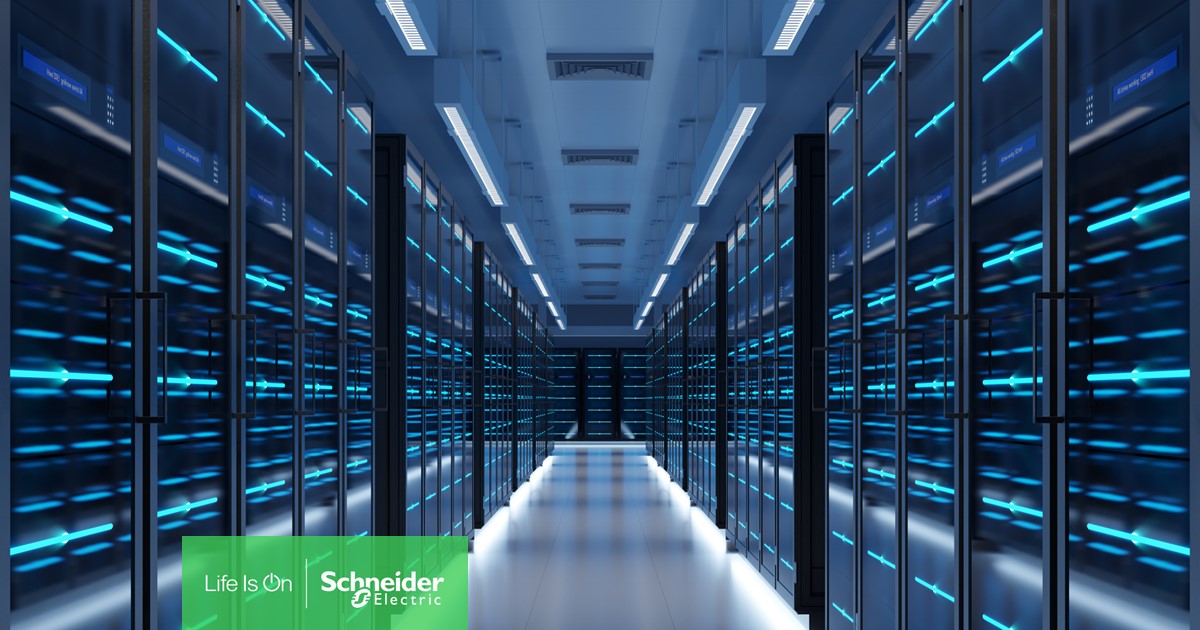
Modern hyperscale and AI data centers do not operate on the same energy profile as residential neighbourhoods. They require hundreds of megawatts, uninterrupted power, and often multiple redundancy lines. In simple terms, 24/7 guaranteed electricity or nothing. Kenya does not yet have the stable capacity to support these massive digital power houses. The vision is correct, attracting cloud and AI giants is critical but without a robust power base, the foundation simply does not exist yet.
Read Also: Why KPLC Tokens Are 22% More Expensive (Real Data From 2024–2025)
That is why the President’s plan to expand electricity generation has become a national priority. Kenya is targeting at least 5,000MW in the short term, and 10,000MW to support industrialization. Achieving this will require more geothermal development, wind projects, mega-dams, and grid modernization. The digital economy will not run on ambition, it will run on electrons.
The stakes are enormous. Microsoft and other global tech players have already signaled interest in African AI hubs. South Africa, Rwanda, and Nigeria are all aggressively positioning themselves. Kenya risks losing the AI and cloud race if we cannot secure reliable power fast. Beyond global competition, the impact is local, from fintech stability to government digital systems, from AI adoption in schools to the growth of Kenyan startups. Every layer of the digital economy depends on energy security.
Meanwhile, Kenyan consumers are already feeling the strain. Electricity tokens are over 20% more expensive year-to-date and if large-scale digital infrastructure competes with households for limited power, tariffs could climb even further. This is why transparency around energy planning now matters to both investors and the ordinary citizen paying for tokens.