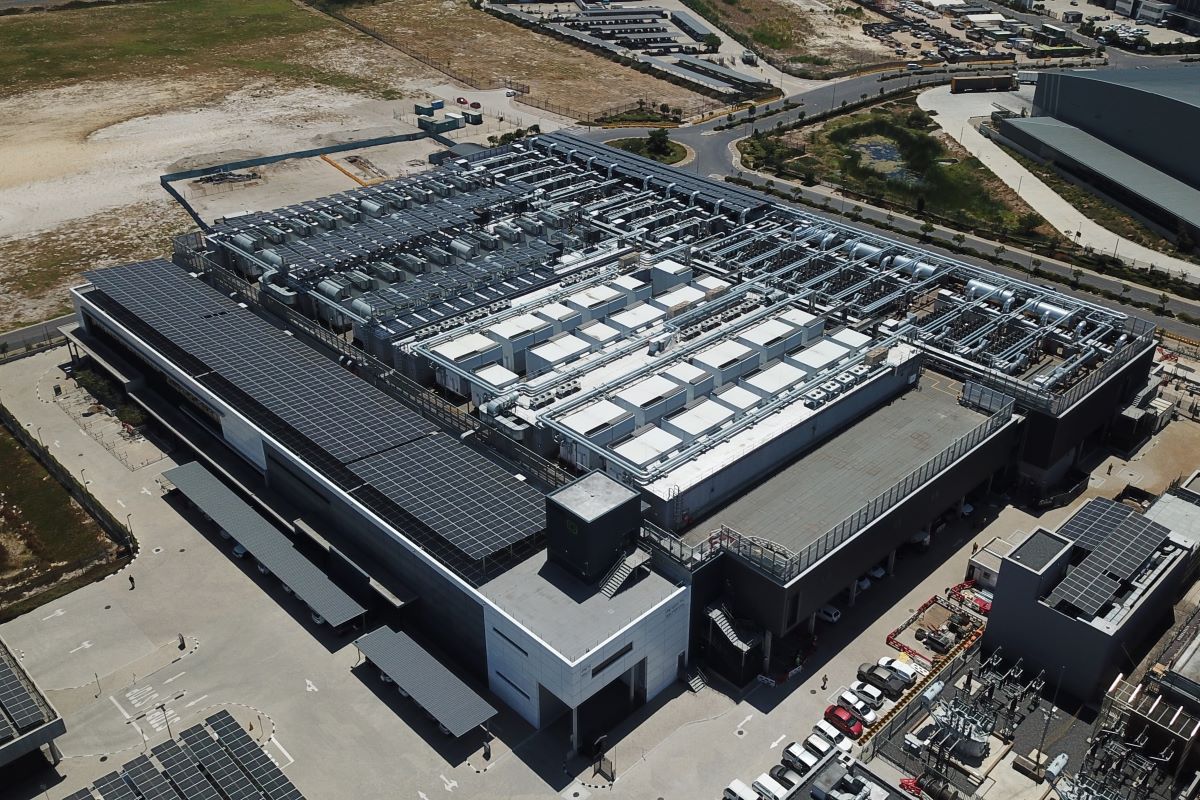
AGV is expanding its South African development portfolio to include land earmarked for data-centre projects with potential capacity exceeding 1,000 MW, linking its renewable energy business to the growing demand for digital infrastructure. The company is seeking to position sites with access to power infrastructure for future data-centre development, where reliable electricity supply is a central requirement. The target represents potential development capacity, not data centres already built or operating, and delivery will depend on securing the necessary grid connections, permits, customers and investment.
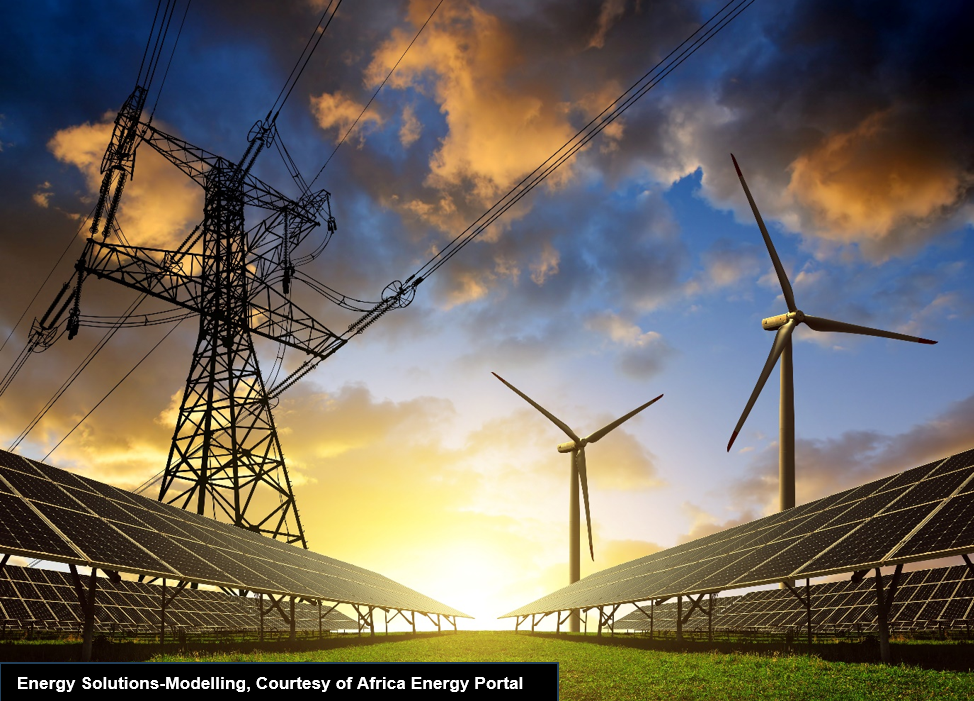
The strategy builds on AGV’s existing portfolio of wind, solar and battery-storage projects, which the company says exceeds 6,000 MW in development. By connecting energy generation and storage with prospective data-centre sites, AGV is pursuing a model in which power infrastructure is considered alongside land and buildings from the outset. This approach could give developers greater control over how electricity is sourced and delivered, particularly for facilities whose computing equipment requires continuous power and whose operators place a premium on predictable energy costs.
Data centres are becoming increasingly important electricity consumers as businesses expand cloud computing, digital services and artificial intelligence applications. Their power requirements differ from those of many conventional commercial buildings because servers operate continuously and must be supported by cooling systems, backup power and resilient electrical infrastructure. For developers, the availability of land alone is therefore insufficient: sites must also have access to substantial grid capacity, dependable electricity, fibre connectivity and suitable cooling arrangements. These requirements can make power access a decisive factor in determining which proposed locations progress to construction.
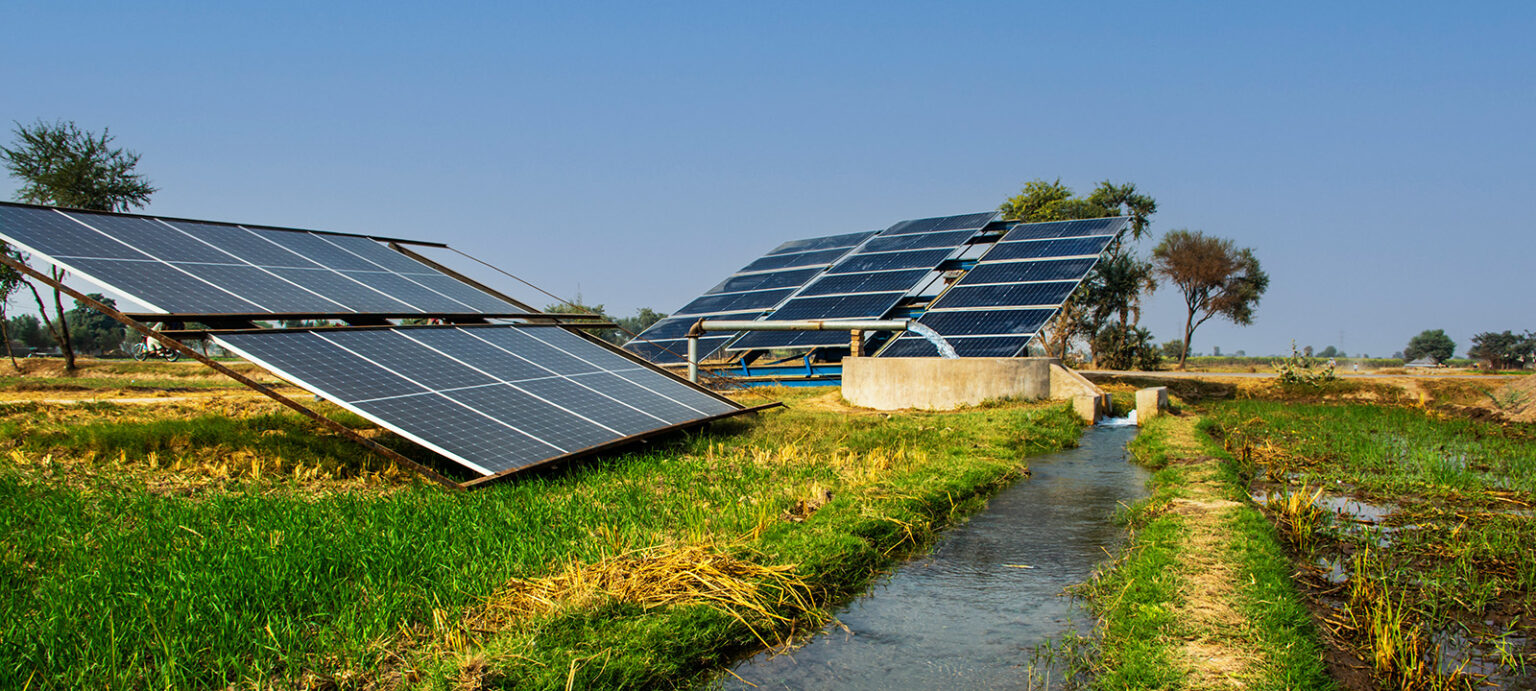
AGV’s approach includes the potential use of dedicated renewable generation and battery storage, including behind-the-meter arrangements that supply electricity directly to a customer rather than relying entirely on the public grid. Solar and wind can provide electricity with lower operational emissions, while batteries can help manage fluctuations in renewable output and shift some supply to periods when generation is lower. However, storage has finite duration, and renewable generation varies with weather conditions. Data-centre operators would still need a robust plan for continuous supply, including grid connections, backup arrangements and the commercial agreements required to manage power demand.
Read Also: Africa Has 58,000 GW of Wind Potential. It Has Installed Just 11.1 GW
AGV has set a two-year target to advance its initial data-centre sites towards ready-to-build status, subject to technical studies, permitting, grid access and commercial arrangements. Reaching that stage would represent progress in project development rather than confirmation that the proposed facilities will be constructed or commissioned on the same timeline. The opportunity illustrates how energy developers are responding to new sources of electricity demand by moving closer to end-users. For AGV, the test will be whether its combination of land, renewable generation and storage can attract data-centre investors and translate more than 1,000 MW of potential capacity into financeable projects.