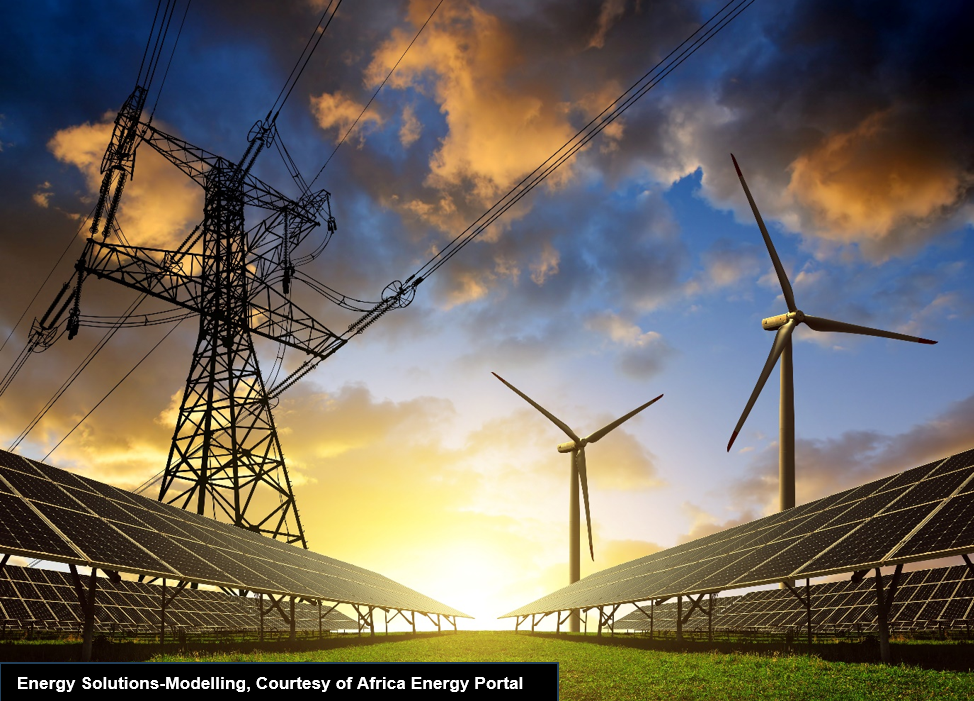
Africa’s renewable energy boom is rewriting the rules of business showing that sustainability can be profitable. Across the continent, large-scale solar, wind, and offsite renewable projects are helping companies cut carbon, lower costs, and attract ESG-driven investors who now prioritize measurable environmental impact alongside financial returns.
Kenya’s Wind Giant Proves Sustainability at Scale
Kenya’s Lake Turkana Wind Power project, a 310 MW installation and one of Africa’s largest private energy investments, is estimated to avoid over 736,000 tonnes of CO₂ annually. Beyond reducing emissions, it provides affordable power to Kenya’s national grid, lowering operational costs for industries that once relied heavily on diesel generation.
Projects like Morocco’s Noor Ouarzazate solar complex and Senegal’s Taiba N’Diaye wind farm deliver similar climate benefits, each avoiding hundreds of thousands of tonnes of emissions every year. These success stories are tangible proof that green energy projects in Africa are profitable, measurable, and scalable.
Carbon Reduction Comparison: Fossil vs Renewable Energy
| Source | Average CO₂ Intensity (gCO₂ / kWh) |
| Coal-fired power (thermal plant) | ~1,000 gCO₂/kWh |
| Diesel generator (onsite) | ~600–800 gCO₂/kWh |
| Solar PV (lifecycle average) | ~50 gCO₂/kWh |
| Onshore wind (lifecycle average) | ~30–40 gCO₂/kWh |
These figures explain why carbon reduction from African renewable projects is so compelling for investors. Each kilowatt-hour generated by solar or wind cuts hundreds of grams of CO₂ compared to fossil alternatives and that difference directly feeds into Africa renewable ESG reporting and global sustainability indices.
Why ESG Investors Are Targeting African Renewables
1. Data-Driven ESG Reporting
Companies and investors now demand verifiable emissions data to satisfy sustainability mandates and avoid greenwashing. Projects like Lake Turkana and Noor provide quantifiable carbon offsets, feeding directly into ESG reports and compliance disclosures.
2. Growing Appetite for Green Capital
International development banks, climate funds, and private investors are scaling up green energy finance in Africa. Blended finance models where public and private sectors share risks are unlocking billions for renewable infrastructure.
In South Africa, for instance, a $100 million guarantee arrangement has catalyzed nearly R9 billion in private clean energy investments.
This influx of capital confirms that ESG investing is no longer a trend; it’s a profitable investment frontier driven by Africa’s clean energy growth.
Offsite Energy and PPAs: Corporate Path to Green ROI
One of the fastest-growing trends is offsite renewable energy through Corporate Power Purchase Agreements (PPAs). These long-term contracts allow businesses to access clean, fixed-cost electricity without building their own facilities.
For manufacturers, telecoms, and data centers in Kenya, Nigeria, and South Africa, PPAs are lowering power bills while cutting emissions, aligning perfectly with corporate sustainability goals and carbon reduction Africa energy strategies.
By locking in prices, companies hedge against volatile fuel costs and secure reputational benefits tied to green operations, an essential factor in ESG scoring and investor trust.
Why Sustainability Is Proving Profitable in Africa
1. Measurable Carbon Reductions
Projects report avoided emissions that directly feed ESG ratings, sustainability-linked loans, and green bonds, improving access to capital.
2. Lower Energy Costs
Renewables slash fuel expenditure and reduce grid dependency improving margins for African industries.
3. Strong Investor Confidence
Transparent ESG data attracts institutional investors seeking green energy Africa ROI.
4. Enhanced Corporate Reputation
Companies that adopt renewables strengthen brand credibility and reduce compliance risks under evolving global sustainability rules.
Policy and Corporate Actions for 2025 and Beyond
- Integrate Offsite Renewables: Businesses should explore PPAs and aggregated procurement models to secure clean, cost-stable energy.
- Adopt Auditable Baselines: Use standardized emission factors (MWh × grid CO₂) for credible ESG reporting.
- Leverage Blended Finance: Governments and DFIs can combine guarantees and credit enhancements to make green projects bankable.
- Scale ESG Disclosure: Transparent sustainability reporting in Africa builds investor confidence and ensures long-term profitability.
Also read: Why Morocco Is Africa’s Solar Powerhouse
FAQs
1. How is Africa proving that sustainability can be profitable?
Africa is demonstrating profitability through large-scale renewable projects such as the Lake Turkana Wind Power plant in Kenya and the Noor Ouarzazate Solar Complex in Morocco.
These projects deliver measurable carbon reductions, attract ESG investors, and generate long-term financial returns through stable, low-cost energy. This combination of environmental and financial value proves that sustainability Africa is not just ethical, it’s profitable.
2. What role do ESG investors play in Africa’s renewable energy boom?
ESG investors (Environmental, Social, and Governance investors) are financing renewable projects across Africa that meet strict sustainability metrics. Their capital supports projects that deliver both economic growth and measurable climate impact.
The growth in Africa renewable ESG reporting has made it easier for investors to verify project performance and allocate funds to credible, low-carbon ventures.
3. How do African companies benefit from carbon reduction projects?
African companies benefit in three main ways:
- Lower operating costs through cheaper renewable energy.
- Improved ESG scores that attract international partners.
- Reduced carbon footprint, aligning them with global sustainability goals.
By participating in carbon reduction Africa energy initiatives, corporations also gain access to green financing tools such as sustainability-linked loans and carbon credits.
4. What is the ROI for investing in green energy projects in Africa?
The green energy Africa ROI is strong due to falling renewable costs, tax incentives, and long-term power purchase agreements (PPAs). Many solar and wind projects offer payback periods of 5–8 years while guaranteeing decades of clean, low-cost power. Investors also benefit from growing ESG demand and clean projects now command premium valuations in both public and private markets.
5. How does renewable energy improve ESG reporting for African firms?
Renewable projects offer measurable data on energy output, emissions avoided, and cost savings, which are essential for credible ESG reporting. When African firms adopt renewables, they can show tangible progress toward carbon neutrality, a key metric for investors, regulators, and international partners.
6. What types of renewable projects attract the most investment in Africa?
Investors are particularly drawn to:
- Solar farms and offsite solar PPAs in Kenya, South Africa, and Egypt.
- Wind energy projects in Morocco, Senegal, and Ethiopia.
- Hybrid systems that combine solar, wind, and storage for industrial users.
These projects offer stable yields, lower risk, and measurable climate benefits aligned with sustainability Africa objectives.
7. What policies can boost sustainable energy investment in Africa?
Governments can accelerate green investment by:
- Offering feed-in tariffs and clear PPA frameworks.
- Supporting carbon pricing and renewable tax incentives.
- Partnering with DFIs to de-risk private capital.
Policy stability and reliable grid integration are key to scaling Africa renewable ESG reporting and attracting foreign investors.
8. What’s next for Africa’s sustainability movement?
The future lies in cross-border energy trade, digital ESG tracking, and green hydrogen projects. As transparency improves and ESG compliance becomes mandatory for global trade, Africa’s ability to combine profitability with carbon reduction will make it a key player in the global green economy.


