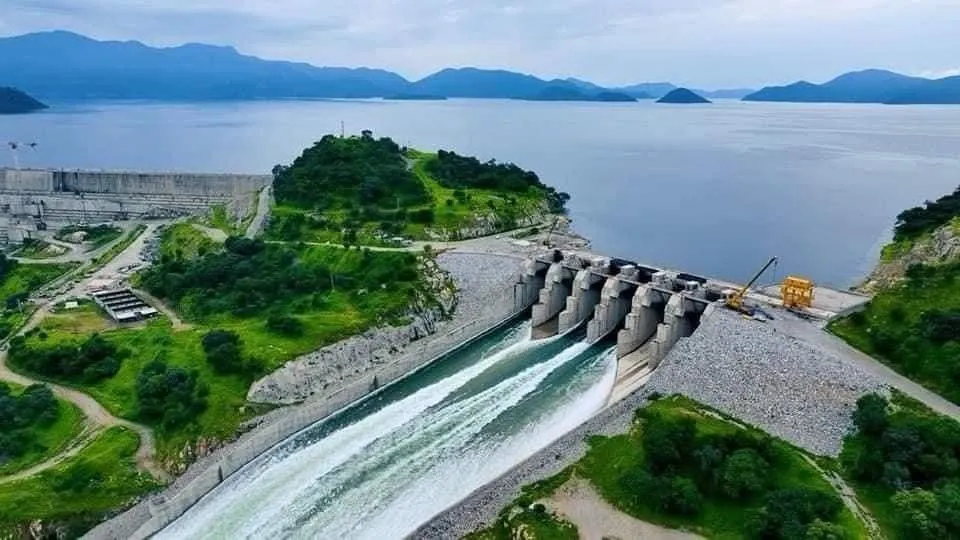
The Lesotho Highlands Water Project (LHWP) is widely known as Southern Africa’s monumental water-transfer scheme, channeling pristine mountain water from Lesotho into South Africa’s industrial heartland. Yet hidden within this engineering marvel is an emerging energy story that could reshape Lesotho’s power landscape and strengthen regional energy security.
Phase II of the project introduces a powerful new element: a dedicated hydropower plant that will, for the first time since the Muela station’s launch, double Lesotho’s generation capacity and reduce its reliance on imported electricity.
The Essentials
Phase II of LHWP centers on the construction of the Polihali Dam and a 38-kilometre transfer tunnel, designed to expand water delivery to South Africa’s Vaal River system.
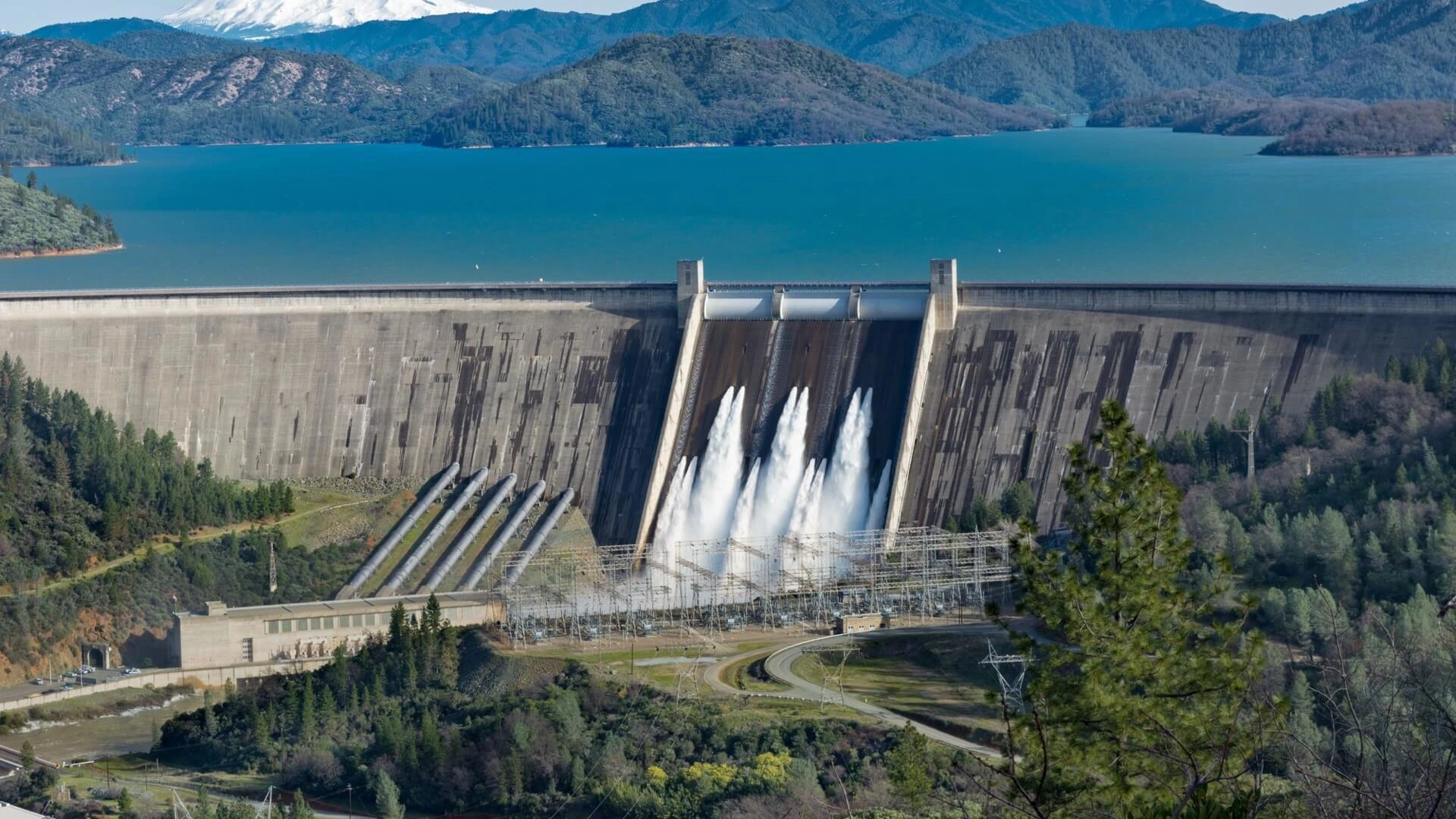
Alongside this water infrastructure is the Oxbow (Polihali) Hydropower Scheme, a conventional storage plant with an installed capacity of around 80 megawatts (MW). This plant is designed as a peaking facility, meaning it will generate power during high-demand hours, and is expected to produce about 150–200 gigawatt-hours (GWh) per year once operational in the late 2020s.
The Oxbow station will complement Lesotho’s existing 72 MW Muela Hydropower Plant, which has been the backbone of domestic power generation since the 1990s. Together, they will provide over 150 MW of clean, renewable electricity enough to significantly reduce Lesotho’s dependence on imported energy from South Africa.
Why the Hydropower Bonus Matters
1. Stronger Energy Security
Lesotho currently imports most of its electricity from South Africa’s Eskom, making its power supply vulnerable to outages and price fluctuations. The new hydropower addition offers a much-needed safety net, enabling Lesotho to meet domestic demand and operate independently during peak hours.
This self-sufficiency strengthens national resilience and supports economic growth by ensuring reliable power for industries, hospitals, schools, and households.
2. More Value from the Same River
The original LHWP was primarily a “water-for-money” deal; Lesotho provided stored water while South Africa paid royalties. The hydropower component changes that dynamic. Now, the same river system will not only export water but also generate electricity for Lesotho’s own use and, potentially, for export.
This dual benefit means Lesotho can extract greater economic and social value from its natural resources, turning water into both income and energy security.
3. Regional Grid Flexibility
Hydropower is prized for its ability to ramp up quickly, a crucial feature in modern power systems increasingly dominated by variable renewables like solar and wind.
Lesotho’s new peaking plant will add grid flexibility in the Southern African region, helping balance electricity flows when demand spikes or when renewable generation dips. This could open new energy-trading opportunities for Lesotho through regional power pools or bilateral contracts.
Economic and Development Benefits
The hydropower expansion brings more than just electrons to the grid; it brings jobs, income, and new prospects for Lesotho’s economy.
- Construction and Employment
The building of the Polihali Dam, tunnels, and power plant will create thousands of direct and indirect jobs. Local contractors, transporters, and service providers are expected to benefit during the multi-year construction phase.
- Fiscal Strength and Exports
Once operational, Oxbow hydropower could reduce Lesotho’s electricity import bill, improve its trade balance, and generate export income through cross-border power sales. Hydropower royalties and energy sales will also bolster government revenue, providing a more stable fiscal foundation for development programs.
- Local Industry Growth
Reliable power is a catalyst for industrialization. Businesses that currently face frequent blackouts or rely on costly diesel generators could operate more efficiently, making Lesotho more attractive for investment in manufacturing and processing industries.
Environmental and Social Trade-Offs
Despite its economic promise, the project comes with complex environmental and social implications.
The Polihali Dam will flood parts of Mokhotlong and adjacent districts, requiring land acquisition and resettlement of local communities. Thousands of hectares of farmland, grazing areas, and cultural sites will be submerged.
Environmentalists warn that altering the river’s flow could impact biodiversity and reduce downstream water availability, affecting farmers and ecosystems dependent on the Senqu River.
Lesotho’s Highlands Development Authority (LHDA) has committed to resettlement, compensation, and livelihood restoration programs, but successful delivery will depend on transparency, fair compensation, and sustained monitoring.
Governance and Financing Challenges
The LHWP is financed through a mix of development bank loans, international partners, and government funds. Institutions such as the African Development Bank and the New Development Bank have been involved in previous funding tranches.
Given the project’s history, transparency and governance are under intense scrutiny. Earlier phases faced criticism over procurement and equitable distribution of benefits. For Phase II to succeed, robust oversight, anti-corruption safeguards, and community participation must be prioritized.
Effective governance will determine whether the hydropower project delivers equitable benefits or repeats past mistakes.
What Comes Next
1. Commissioning and Timeline
The Oxbow Hydropower Plant is slated for completion in the late 2020s, following final design approvals and civil works at Polihali. Once commissioned, it will feed power into Lesotho’s national grid through a new high-voltage transmission line.
2. Community Outcomes
Monitoring reports will need to verify that resettled families receive fair compensation, new housing, and sustainable livelihoods. Transparent reporting by the LHDA and independent observers will be vital to maintain public confidence.
3. Regional Energy Cooperation
Lesotho’s ability to export surplus power or offer peaking capacity services to South Africa could unlock new revenue streams. The plant’s integration into the Southern African Power Pool (SAPP) could make Lesotho a modest but strategic energy player in the region.