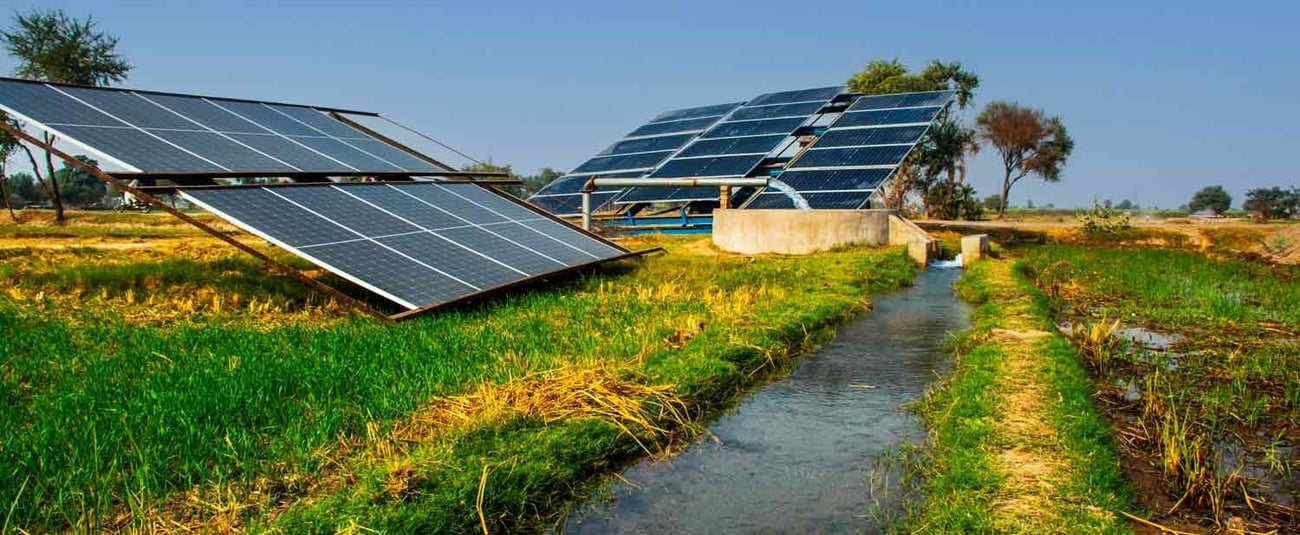
The African Development Fund (ADF) has approved an additional $8.6 million grant to scale up clean water and climate resilience initiatives across rural Burundi. The financing part of the ADF’s Climate Action Window will fund the expansion of solar-powered water systems, enhance sanitation facilities, and boost climate-smart agricultural practices for vulnerable communities.
The project is expected to benefit hundreds of thousands of Burundians, create thousands of green jobs, and strengthen local resilience to droughts and floods that increasingly threaten the country’s water security.
Expanding Solar-Powered Water Systems for Clean and Reliable Access
This new funding is a commitment to expand solar-powered water systems, a sustainable and energy-efficient alternative to traditional diesel pumps.
These systems will deliver safe drinking water to households, schools, and health centers across rural provinces that have long struggled with unreliable or unsafe sources. Unlike grid-powered systems, solar installations guarantee continuous operation, even in areas with limited electricity access.
Key Infrastructure Investments
- Construction of solar-powered boreholes and piped water networks serving rural communities.
- Installation of solar pumping stations to improve efficiency and reduce carbon emissions.
- Development of eco-friendly sanitation facilities to reduce disease outbreaks.
- Construction of micro-irrigation systems that stabilize food production in drought-prone areas.
The African Development Fund emphasizes that these solar systems are not only environmentally friendly but also cost-effective, reducing the long-term operational expenses for local authorities and water-user associations.
Creating Jobs and Empowering Communities
The project is designed to be community-driven. It will create approximately 2,700 local jobs, many targeted toward youth and women, through training and participation in construction, maintenance, and operation of the water systems.
By integrating skill development and local employment, the ADF’s investment ensures that communities are not just beneficiaries but active participants in their own development.
The inclusion of women in water management committees is particularly important; it empowers them to play a leadership role in decision-making about resource allocation, maintenance, and hygiene awareness.
Climate Resilience Through Water Innovation
Burundi is one of Africa’s most climate-vulnerable countries. Irregular rainfall, floods, and prolonged droughts have left millions exposed to water scarcity and food insecurity.
By introducing solar-powered water systems, the programme tackles climate challenges head-on. These systems reduce dependence on rainfall, diversify water sources, and strengthen communities’ ability to adapt to changing weather patterns.
How the Programme Builds Climate Resilience
- Renewable Energy Integration: Solar power ensures sustainability and independence from fossil fuels.
- Irrigation Support: Reliable water for smallholder farmers increases agricultural output and food stability.
- Risk Reduction: Water access reduces displacement during droughts and lowers conflict over limited resources.
- Climate-Smart Design: Every system incorporates climate risk assessments to ensure infrastructure can withstand floods and storms.
Health, Education, and Gender Impact
Access to clean, solar-powered water systems will significantly improve public health in rural Burundi. Waterborne diseases like cholera and typhoid, which remain widespread due to unsafe water, are expected to decline.
Community Benefits
- Health: Clean water and better sanitation reduce disease outbreaks.
- Education: Schools with reliable water and sanitation help girls attend regularly.
- Gender Equality: Women and girls save hours daily once spent collecting water, giving them time for education and income-generating work.
- Economic Growth: Stable water access enables small-scale farming and livestock production, improving local food security.
This multi-dimensional approach ensures that clean water becomes a foundation for human development not just a utility service.
Institutional Strengthening and Local Ownership
The additional $8.6 million will be managed by Burundi’s Ministry of Hydraulics, Energy and Mines, with support from local governments and community water-user associations.
The project places strong emphasis on capacity building, including:
- Training local technicians to operate and maintain solar systems.
- Educating communities on hygiene and water conservation.
- Establishing management committees for transparency and accountability.
By embedding knowledge at the community level, the project reduces reliance on external support and builds a long-term culture of sustainability and self-reliance.
Challenges and Safeguards for Sustainability
Sustaining water infrastructure in low-income rural areas is a common challenge. The ADF’s model addresses this through:
- Simplified solar technology that is easy to maintain locally.
- Affordable spare parts available through regional suppliers.
- Community-led financing mechanisms for routine maintenance.
- Monitoring frameworks to ensure transparency in resource use.
This combination of technology and governance makes the system more robust and sustainable than traditional donor-funded water projects.
Alignment with National and Global Goals
The initiative supports multiple national and international frameworks, including:
- Burundi’s National Development Plan (2018–2027),
- National Adaptation Plan (NAP) for climate resilience,
- Sustainable Development Goal 6 (Clean Water and Sanitation), and
- African Union Agenda 2063 on inclusive growth and sustainable resource management.
Also read: Can South Africa Trust Eskom’s Promise to End Loadshedding and Expand Free Power?
Through this alignment, Burundi strengthens its case for future climate finance and regional development cooperation.
Measuring Progress
Success will be measured by clear, trackable outcomes, including:
- Number of solar-powered systems installed and functioning.
- Percentage of households with continuous access to safe drinking water.
- Employment generated for local youth and women.
- Reduction in disease incidence and improved sanitation coverage.
Monitoring and evaluation will be led jointly by the ADF and Burundian authorities, ensuring transparency and accountability from construction to delivery.


