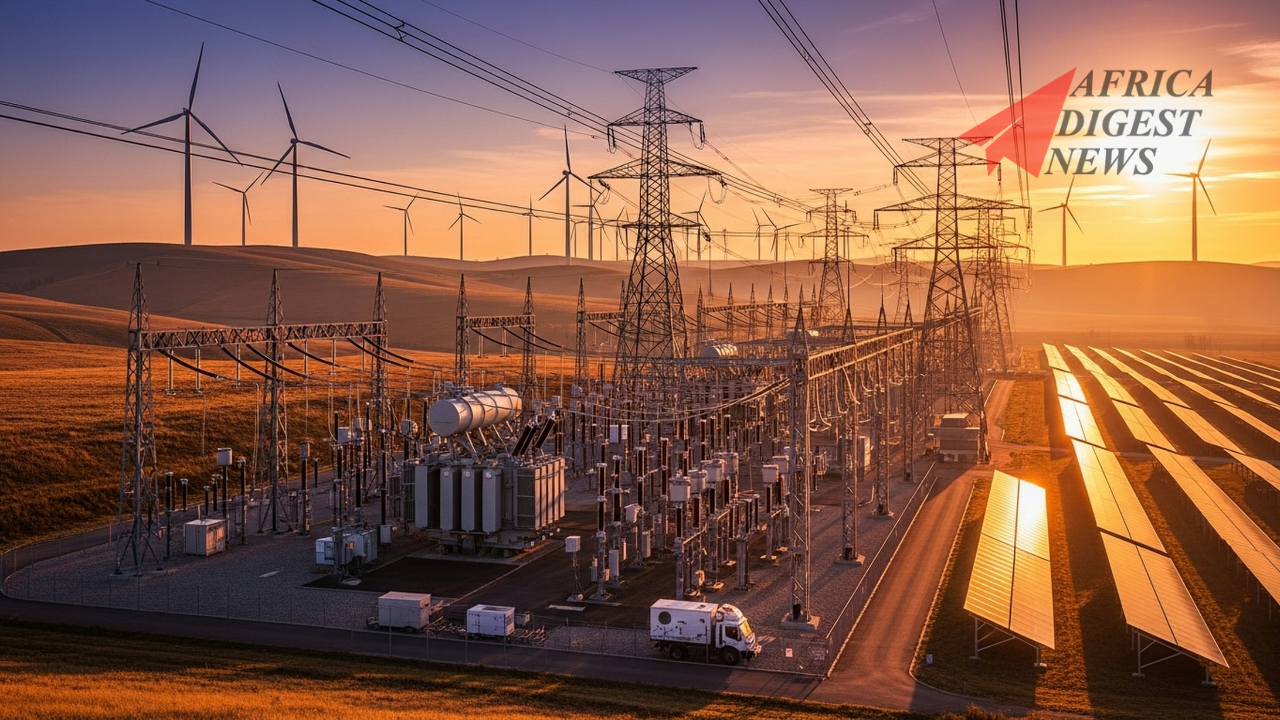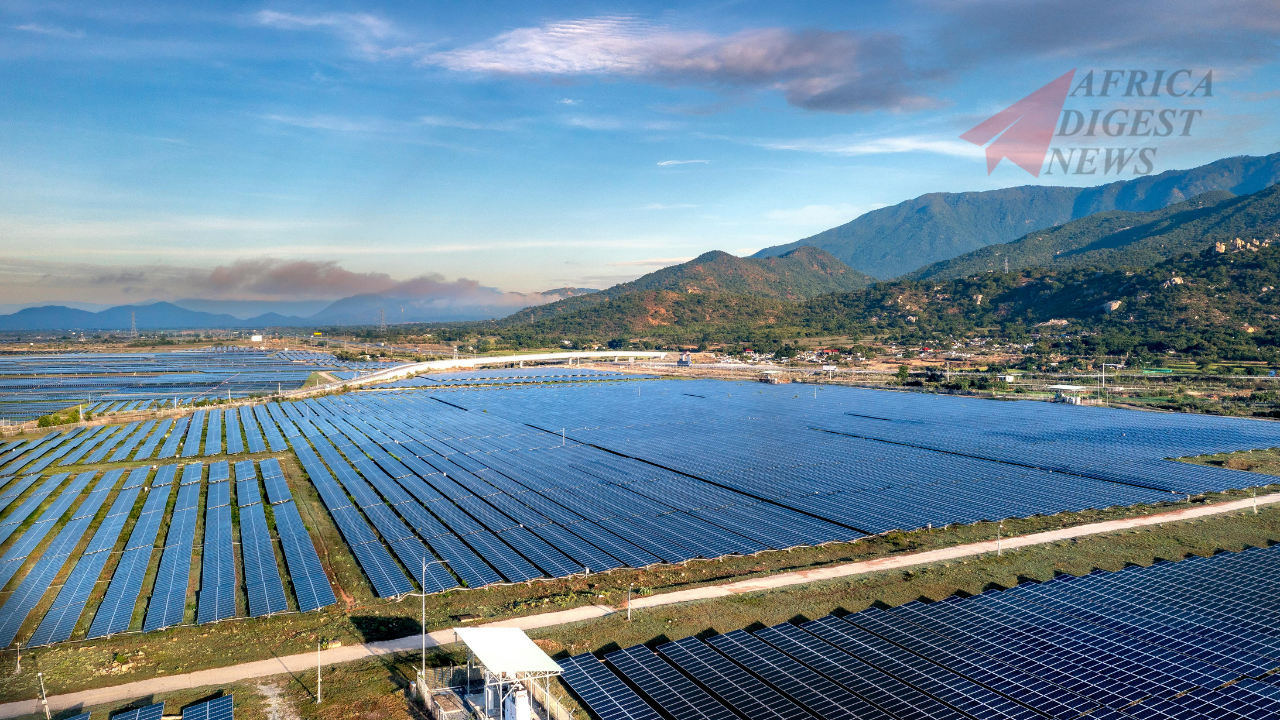
Afripower has commenced construction of a large utility‑scale solar photovoltaic (PV) power plant at Mandroseza, designed to operate alongside the existing heavy fuel oil (HFO) power station that supplies Antananarivo’s interconnected grid.
A utility‑scale solar plant in this context means a grid‑connected generation facility built to supply significant amounts of power to the grid in this case tens of megawatts rather than small rooftop installations intended to reduce reliance on expensive thermal generation.
The project figure‑line is 40 MWp total capacity once complete, with an initial 15 MWp expected online in early 2026, and later phases adding the balance. The plant will be one of the largest solar facilities in Madagascar.
Madagascar remains heavily dependent on imported fuel. Refined petroleum products have historically formed a major part of the country’s import bill. In 2024, imports of mineral fuels, oils and related products were about US$905 million, making fuel one of the largest categories of imports.
This reflected the country’s limited domestic oil production capacity and reliance on external suppliers for diesel and HFO used in electricity generation and transport.
Comprehensive data for 2025 fuel import values broken down by product type is not yet fully published, but historical trade data shows petroleum product imports consistently accounting for a high share of Madagascar’s import bill and infrastructure pressures. In 2023, refined petroleum represented roughly 20 % of total imports.
Reducing this outflow of foreign exchange for fossil fuels is central to the government’s electricity and macroeconomic strategy.
Afripower took over the ageing Mandroseza HFO plant in 2022, which historically supplied only about 5 MW of capacity. Rehabilitation work has brought available generation close to 40 MW through overhauls of turbines, fuel systems, and auxiliary equipment.
This work typically involves mechanical refurbishment of engines, replacement of worn components, improved fuel handling and storage systems, and integration of modern control systems to raise reliability and output.
The addition of the solar facility is intended to strengthen electricity supply, lower the cost per unit delivered, and reduce strain on expensive thermal generation, particularly during daylight hours.
Madagascar’s electricity generation mix is dominated by hydropower and fossil fuel plants, with solar forming only a small share of installed capacity today. Hydropower provides a sizeable portion of electricity, with plants such as Andekaleka (91 MW) among the largest operating facilities.
The Sahofika hydro project (205 MW) nearing completion is poised to be the single largest generation source in the country once fully operational.
Existing solar capacity includes the 40 MW Ambatolampy Solar Power Station, which is currently one of the largest grid‑connected solar generators in Madagascar.
Madagascar’s power system faces persistent supply challenges. Only a fraction of the population has regular grid access, and thermal plants especially those running on imported fuel remain expensive to operate.
Solar capacity additions reduce fuel burn and create predictable generation during peak daytime demand. The cost of imported fuel not only pressures utility finances but also contributes to inflationary pressures in the broader economy.
Read Also: Zambia Begins Construction of 100-MW Siavonga Solar Plant as Power Deficit Persists
Utility‑scale solar at Mandroseza demonstrates a shift in planning:
- Short‑term cost relief: Solar generation adds zero fuel cost on a recurring basis, reducing the need for expensive imported HFO.
- Grid reliability: Hybridising existing thermal plants with solar mitigates some volatility in fuel markets and operational risk.
- Macro impact: Lower fossil fuel import bills support balance‑of‑payments stability and free up foreign exchange for other economic priorities.
Policymakers in 2026 must treat energy infrastructure through a risk lens that prioritises diversification and cost predictability:
- Strengthen hybrid policy frameworks that allow renewables to be paired with backup capacity while avoiding stranded assets.
- Grid integration planning that anticipates variability and incorporates storage solutions where feasible.
- Long‑term pricing and tariff mechanisms that reflect the true cost of imported fuels and create incentives for low‑fuel generation.
Mandroseza’s solar expansion is a response to persistent structural issues and part of a series of moves across the country from expanded hydropower to hybrid solar‑thermal projects aimed at stabilising supply, reducing dependence on imported fossil fuels, and containing costs for consumers and the utility alike.
By Thuita Gatero, Managing Editor, Africa Digest News. He specializes in conversations around data centers, AI, cloud infrastructure, and energy.