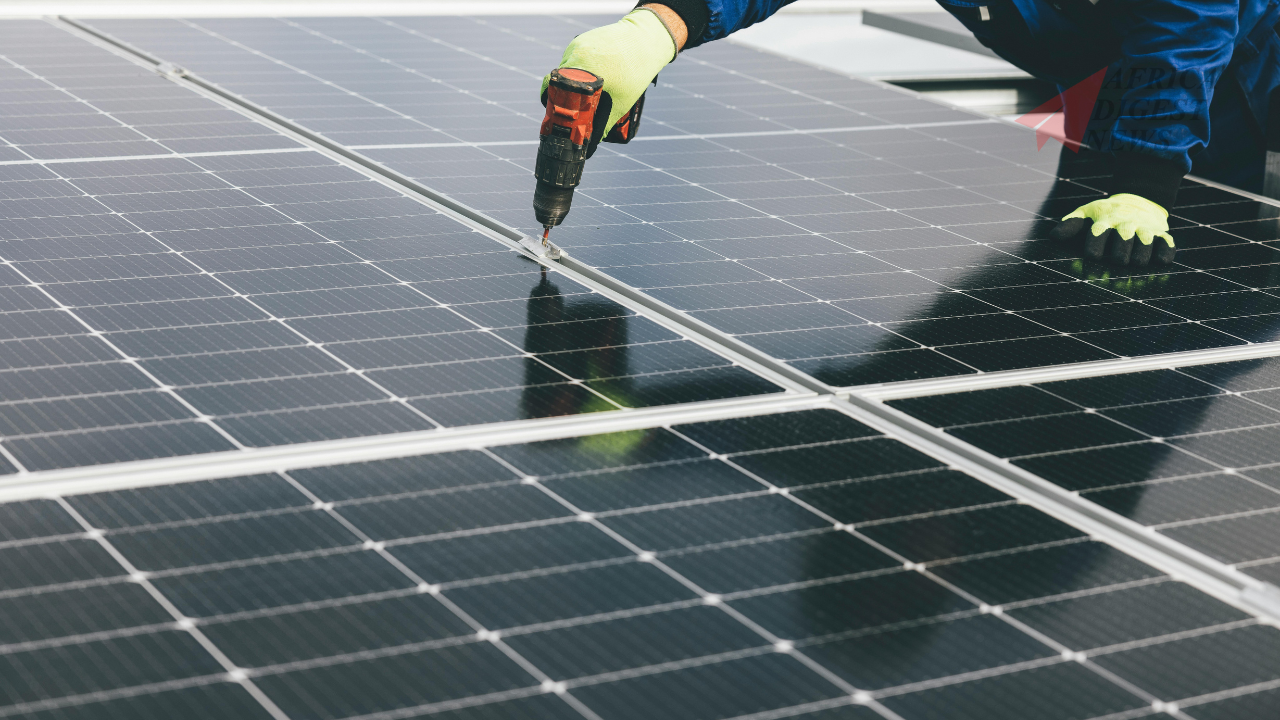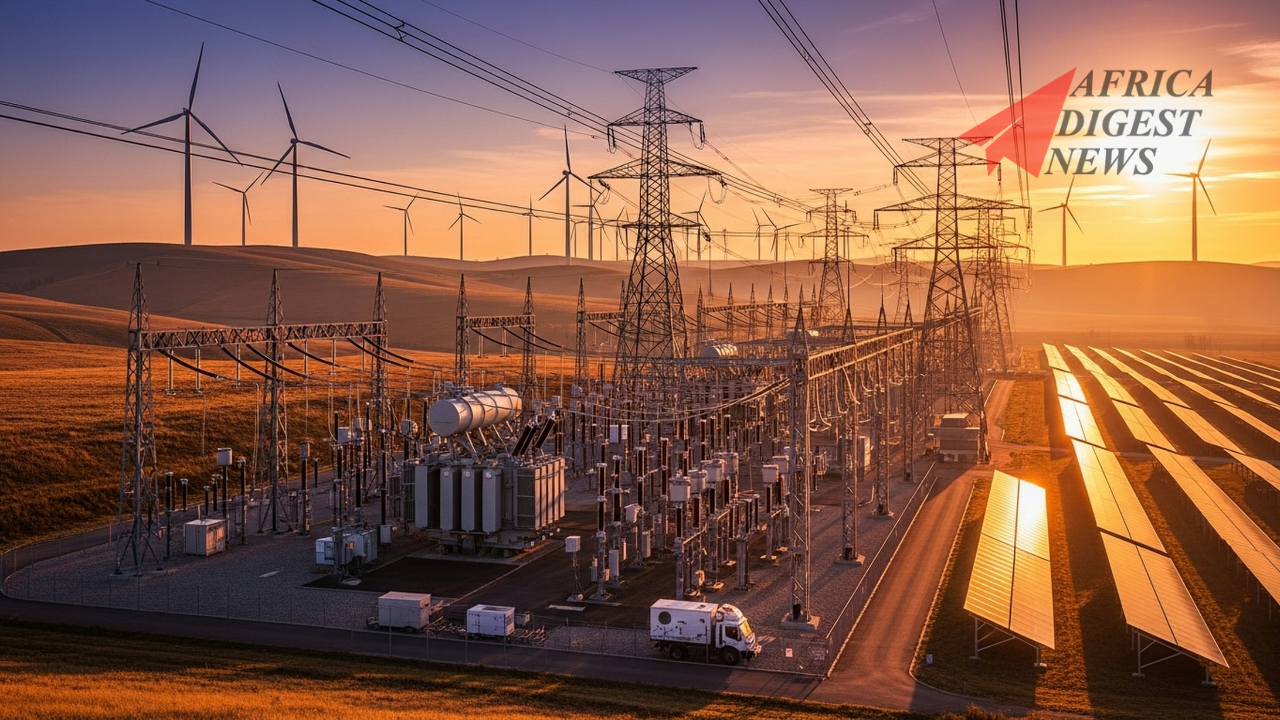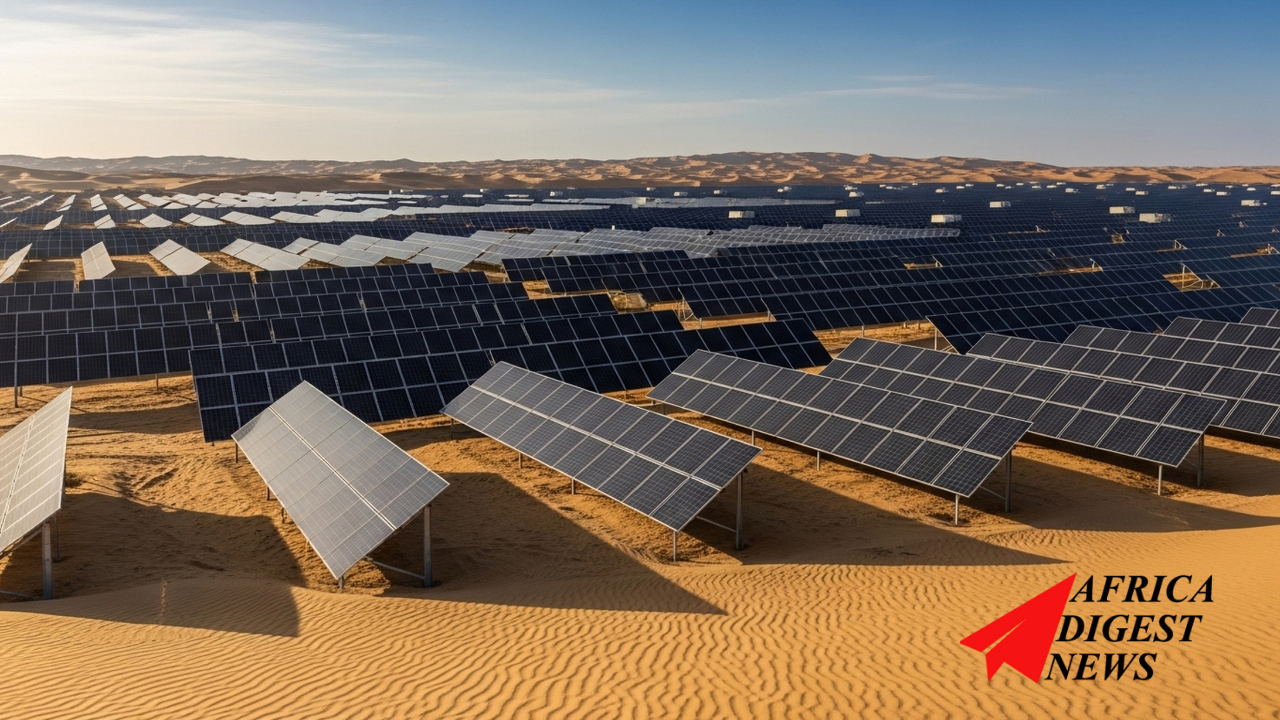
Zambia has started construction of a 100-megawatt (MW) solar photovoltaic project at Siavonga, seeking to strengthen national electricity supply and reduce vulnerability to hydropower shortages. The plant is scheduled to begin commercial operation in December 2026 and is being delivered by JIGSCO Energy Corporation Limited, a joint venture between the state utility ZESCO and Jigsaw Investments, with PowerChina as the engineering, procurement and construction contractor.
Zambia’s electricity system remains under strain. Hydropower still accounts for over 80% of installed capacity, but water levels in key reservoirs have been below historical norms, suppressing generation.
Average actual output has hovered around 1,800 MW against peak demand of roughly 2,400 MW, leaving a structural deficit of several hundred megawatts.
This shortfall has been persistent. Drought-related declines in rainfall over successive seasons have reduced generation from major hydro plants, including Kariba North Bank, Kafue Gorge and Victoria Falls units. In response, Zambia has imported power from regional markets and reduced exports to retain capacity domestically.
Primary Challenges Facing Hydropower
- Climate variability — Rainfall deficits tied to El Niño conditions have sharply lowered reservoir levels and river inflows, eroding hydro generation.
- Over-dependence on a single source — With hydropower comprising the majority of capacity, short water seasons translate directly into power shortages.
- Operational constraints — Reservoir management, aging infrastructure, and limited dry-season buffering capacity weaken reliability.
PowerChina’s Role and Track Record
PowerChina (Power Construction Corporation of China) is a state-owned global construction and engineering group active in energy, infrastructure and civil engineering projects.
The company operates in more than 130 countries and has delivered a broad range of power-related projects, including hydroelectric, wind, solar and grid infrastructure.
It ranks among the top global contractors by revenue and scale and provides integrated services from design to construction and operations.
Internationally, PowerChina has been involved in major energy and infrastructure projects such as wind farms in Pakistan, hydropower cascades in Laos, and solar and renewable installations in Africa and beyond.
It has expanded its overseas renewable portfolio as part of broader global engagement and is positioning Africa as a key market.
Why the Siavonga Project Matters Now
Zambia’s shift toward utility-scale solar is not incidental. The Siavonga facility will provide dispatchable, non-hydro capacity at times when water scarcity limits hydro output.
Its deployment aligns with Zambia’s Integrated Resource Plan and National Energy Policy (2019), which call for diversification of generation sources to improve energy security and reduce the impact of droughts on the grid.
Construction of Siavonga, alongside other solar initiatives already in the pipeline, signals a broader transition in planning and investing from a heavy emphasis on hydro toward a mixed generation portfolio that can better withstand climate variability.
Read Also: Top 10 Hydrogen-Producing Companies Worldwide
What Capital Allocators Must Now Consider (2026)
- Risk weighting in energy infrastructure portfolios must adjust for hydro volatility. Unlike three years ago, when hydropower dominance was politically and economically unchallenged, investors now need models that price climate risk directly into returns.
- Financing mechanisms must adapt. Solar financing in Africa increasingly combines public finance with private capital and local currency structures to hedge revenue risk against hydrological cycles.
- Grid integration and storage will be decisive. Solar plants without complementary storage or flexible backup still expose the grid to reliability gaps at night or during cloudy periods.
Policy Priorities for African Governments
- Tariff reform — Cost-reflective pricing that attracts capital without social shock.
- Grid expansion and storage incentives — Policies that support battery, pumped hydro or other buffering technologies.
- Regulatory certainty — Clear procedures for procurement, land access and power purchase agreements to reduce investment risk.
Solar’s appeal lies in its predictability of output when irradiance is stable, low marginal operating costs, and shorter build times compared with large hydro or fossil plants.
Unlike hydropower, solar generation is not constrained by rainfall patterns, though it does require grid flexibility to integrate variable output.
The experience of Europe’s mature solar markets shows that policy frameworks, grid upgrades, and storage scaling are essential to translating capacity build-out into reliable supply lessons that African markets can adopt rather than reinvent.
By Thuita Gatero, Managing Editor, Africa Digest News. He specializes in conversations around data centers, AI, cloud infrastructure, and energy.