Across Africa, access to electricity often determines whether digital connectivity is possible at all.
Telecom infrastructure depends on reliable power to operate towers, switching equipment, and data transmission systems. Where grid electricity does not reach, operators have historically relied on diesel generators to maintain service continuity.
That approach increases costs and slows network expansion.
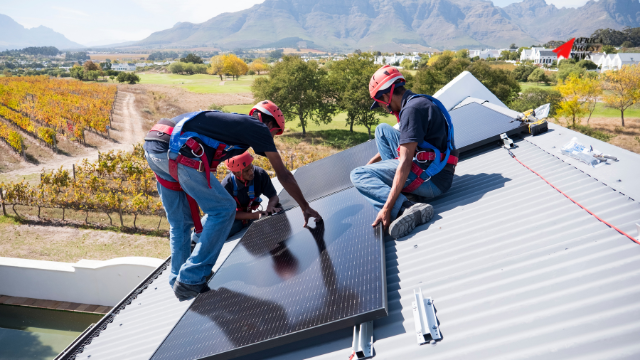
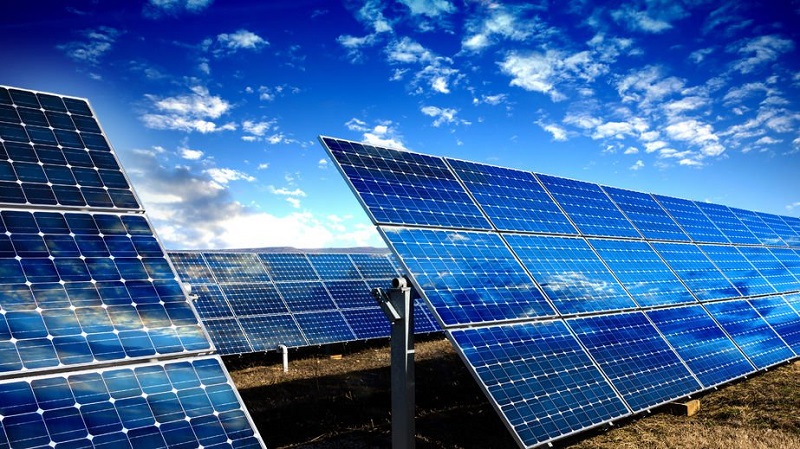
Renewable energy systems are now changing how connectivity infrastructure reaches underserved areas. Solar arrays combined with battery storage allow telecom sites to operate independently of continuous fuel supply. This reduces operating costs and improves uptime across locations where maintenance access can be limited.
Renewable-powered infrastructure is already supporting telecom deployments in parts of Democratic Republic of the Congo and South Sudan, where both electricity access and connectivity coverage remain uneven.
Energy reliability shapes where networks can expand. Solar-supported telecom sites reduce dependence on fuel transport while allowing operators to reach communities that would otherwise remain outside coverage zones for longer periods.
Operators including Safaricom, Vodacom, and Airtel Africa are already incorporating renewable energy systems into sections of their infrastructure footprints. Policy coordination is also strengthening deployment pathways.
Partnerships between the GSMA and the Alliance for Rural Electrification are supporting frameworks that connect rural electrification planning with telecom expansion strategies.
Reliable connectivity affects more than communication. Farmers access price information. Health workers communicate with referral centres. Schools connect to digital learning systems.
Telecom infrastructure often arrives before other services in remote regions. When that infrastructure operates on renewable power, it reduces dependence on diesel supply chains while improving service continuity.
Electricity enables connectivity. Connectivity supports participation in national economies. Across parts of rural Africa, renewable-powered telecom systems are allowing infrastructure expansion to move ahead even where grid extension timelines remain uncertain.
By Thuita Gatero, Managing Editor, Africa Digest News. He specializes in conversations around data centers, AI, cloud infrastructure, and energy.