Rehabilitating Kariba Dam can improve the safety and reliability of one of Southern Africa’s most important hydropower facilities, but it cannot guarantee that Zambia and Zimbabwe will always have enough electricity. The distinction lies in three separate requirements: the dam must be safe, the generating equipment must be available, and the reservoir must contain enough usable water to sustain generation.
A failure in any one of these areas can limit electricity production, even when the other two are functioning properly. This is why the rehabilitation of Kariba’s spillway and associated infrastructure matters, but does not eliminate the region’s exposure to drought and fluctuating river flows.
The first requirement is infrastructure safety. Kariba’s rehabilitation programme addresses deterioration affecting the spillway, including problems that have made its sluice gates more difficult to operate. These gates regulate the release of water from the reservoir, making their reliable operation essential for managing the dam safely. The work also includes repairs to the plunge pool below the dam.
However, spillway rehabilitation is not the same as adding generating capacity: the spillway manages water releases, while electricity is produced when water passes through turbines connected to generators. Repairs can reduce operational risks without increasing the volume of electricity that the reservoir can support.
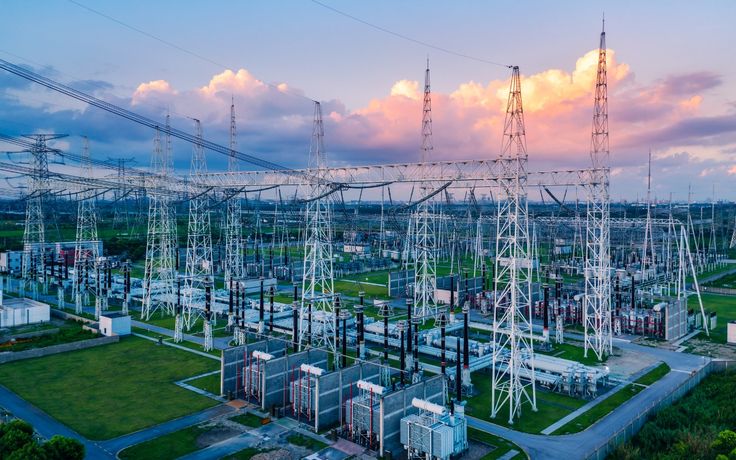
The second requirement is generating equipment that is ready to operate. Hydropower stations depend on turbines, generators, control systems and supporting electrical infrastructure. Maintenance problems or equipment failures can keep generating units offline, reducing the amount of electricity a station can deliver even when sufficient water is available.
Conversely, a fully operational turbine cannot generate at its rated output without the required flow of water and sufficient hydraulic head. Installed capacity therefore describes the maximum power a station is designed to produce under specified conditions; it does not indicate how much electricity it will generate continuously or over an entire year.
Water availability creates the third constraint, and it can be the hardest to control. Rainfall across the Zambezi River catchment determines how much water flows into Lake Kariba, while evaporation, releases and power generation affect how quickly stored water is used. During drought, inflows can fall below the volume required to sustain generation at previous levels.
In 2025, the Zambezi River Authority initially allocated 27 billion cubic metres of water for power generation before increasing the allocation to 28 billion cubic metres. For 2026, it allocated 30 billion cubic metres, split equally between Zambia’s ZESCO and Zimbabwe’s power utility. These allocations help manage a shared reservoir, but they do not create additional water when rainfall is insufficient.
Reservoir levels illustrate why the distinction matters. On 14 October 2026, Kariba’s usable storage stood at 36.68%, compared with 12.75% on the same date in 2025, according to the Zambezi River Authority. That was a substantial year-on-year improvement, but it also showed that the reservoir was well below full usable storage as the dry season progressed.
Read Also: Zambia’s 56 MW Solar Project Moves Into Construction After Securing $52 Million
The authority must balance the need to generate electricity against the need to preserve water for future use and maintain the reservoir within its operating limits. Meanwhile, electricity demand in both countries continues to shape how quickly allocated water is consumed. Even a rehabilitated dam with available generating units can face pressure when water supplies are constrained and demand remains high.
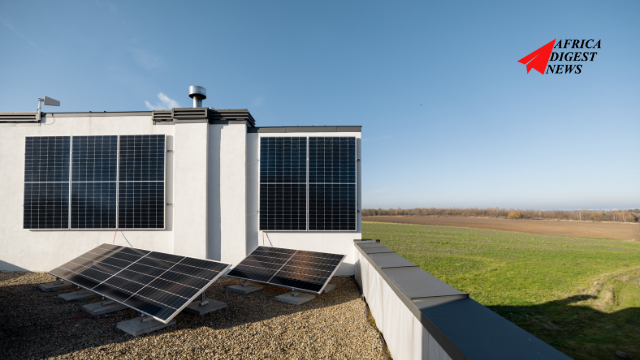
Kariba’s long-term contribution to electricity security will therefore depend on more than completing its rehabilitation. Zambia and Zimbabwe need reliable equipment and safe infrastructure, but they also need prudent reservoir management, realistic water allocations and a more diversified electricity mix that reduces dependence on hydrological conditions. Solar, wind, storage and other dispatchable generation can help complement hydropower, although each has different operating characteristics and infrastructure requirements.
The central lesson is that rehabilitation protects the ability to use the dam; rainfall and water management determine how much generation is sustainable. For both countries, electricity reliability depends on addressing all three constraints rather than treating infrastructure investment as a complete solution.