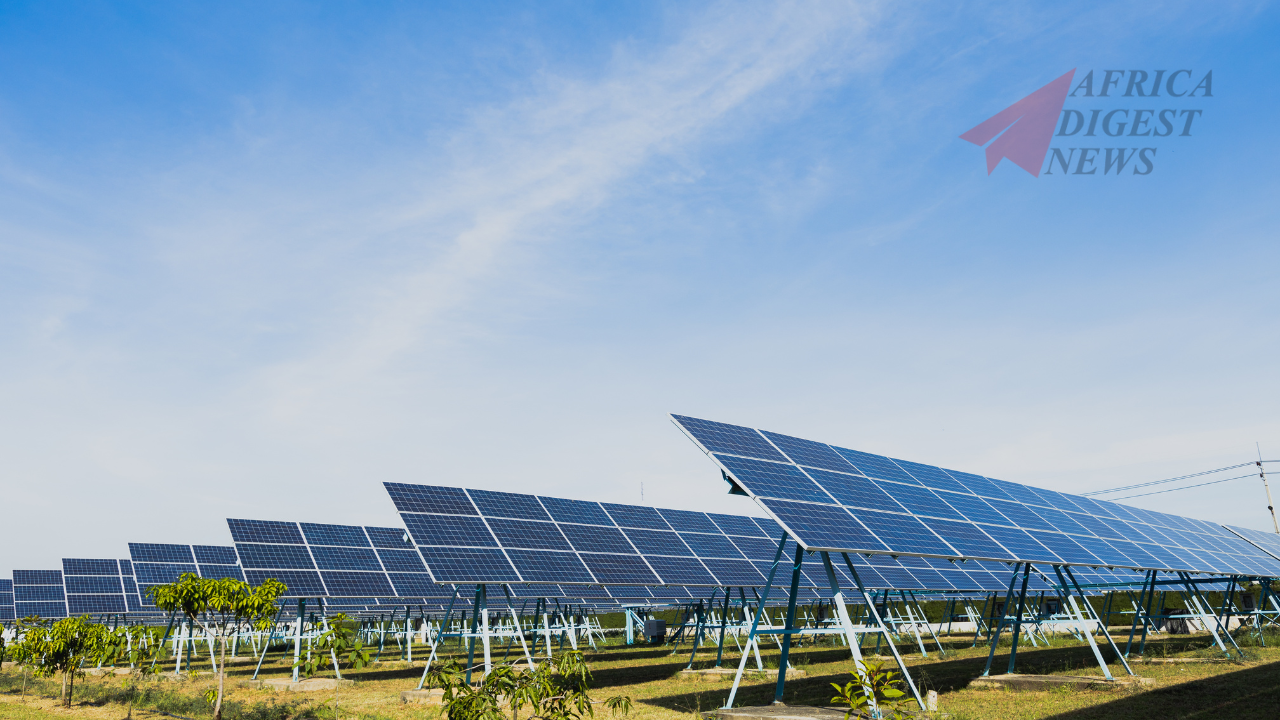
Nigeria’s renewable energy landscape is getting a boost in an area often overlooked: insurance. In a first-of-its-kind move, Casava and Rivy have partnered to launch Nigeria’s first green microinsurance products specifically designed for small and medium enterprises (SMEs) adopting solar energy systems.
The initiative is aimed at tackling what many industry experts call a “missing infrastructure layer” in Africa’s energy transition: protection against the operational and financial risks that often discourage SMEs from leaving diesel generators behind.
Despite falling solar technology costs and rising interest in renewables, many SMEs across Nigeria and wider Africa remain hesitant to invest in solar installations. The main barriers include:
- Theft or vandalism of panels and equipment
- Accidental damage during operations or transport
- Logistical losses during installation and maintenance
Without an insurance safety net, these risks can easily outweigh the perceived benefits of switching to clean energy, particularly for SMEs operating on tight margins.
By providing tailored coverage against these threats, Casava and Rivy aim to create a sense of security that encourages wider adoption of renewable energy systems.
The timing of this launch is strategic. In 2024, electricity tariffs in Nigeria increased sharply, and the federal government advanced reforms under the Insurance Industry Reform Act, modernizing the sector and opening opportunities for digital microinsurance.
Read Also: The Inverter Problem: Why Your Backup Plan Needs a Backup Plan
For SMEs already struggling with power reliability and high operational costs, solar systems have long been an appealing solution. However, without insurance, the financial risk remained a deterrent. This new offering effectively reduces one of the largest barriers to adoption.
“This is about more than insurance,” said a spokesperson from Casava. “It’s about enabling SMEs to confidently invest in solar energy, knowing they are protected against unforeseen losses. This is a foundational step in Nigeria’s broader energy transition.”
How the Microinsurance Works
The products are fully digital, allowing SMEs to enroll, manage, and claim coverage through mobile platforms. Key features include:
- Theft Protection: Coverage if solar panels or equipment are stolen
- Accidental Damage Coverage: Protection against fire, storms, or operational mishaps
- Logistics Coverage: Safeguarding against losses during transport or installation
Premiums are structured to be affordable for small businesses, often bundled with financing or pay-as-you-go solar plans, making the transition to renewable energy not only safer but financially feasible.
By Thuita Gatero, Managing Editor, Africa Digest News. He specializes in conversations around data centers, AI, cloud infrastructure, and energy.