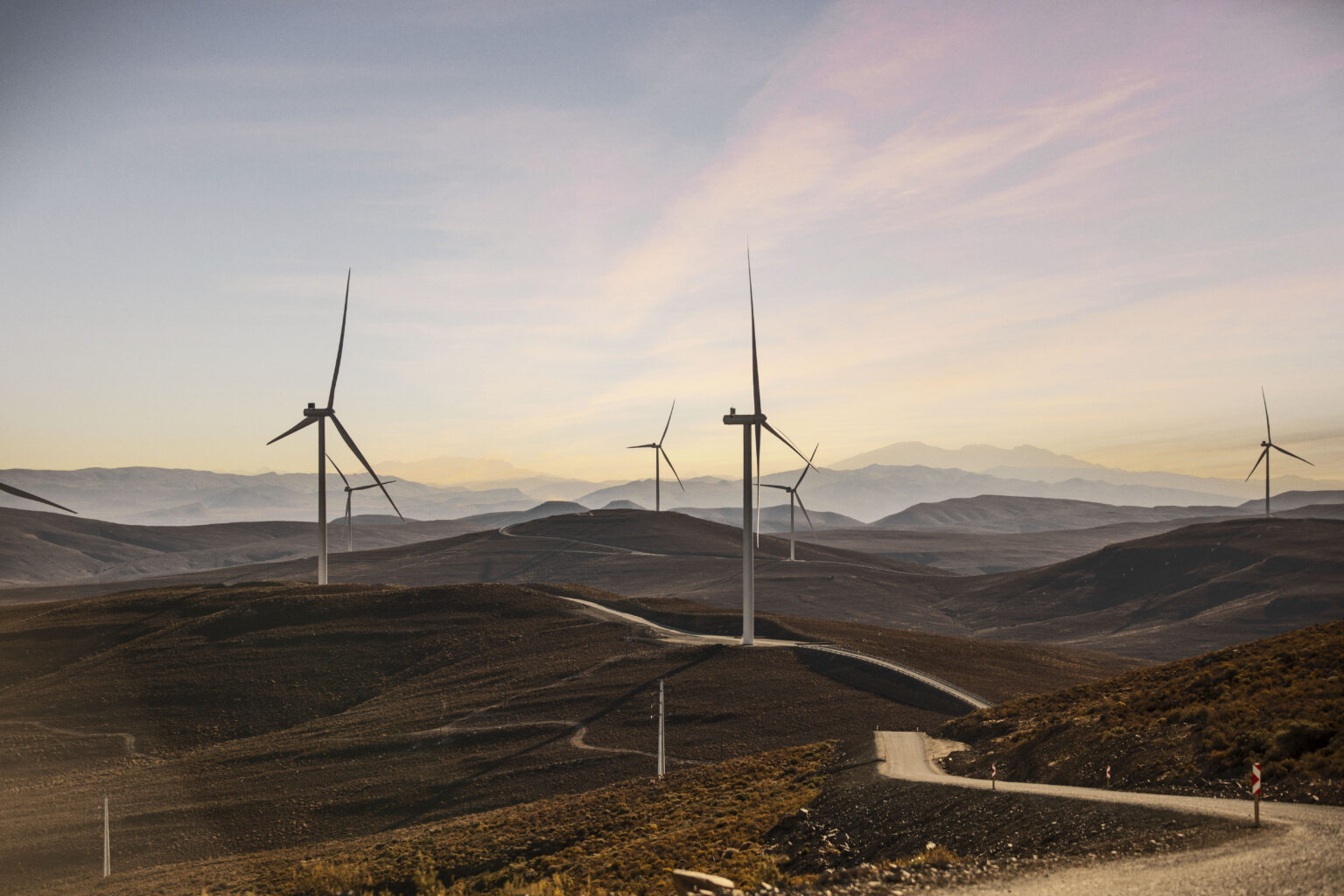
Nigeria spent years trying to get a 10 MW wind project into operation, even after buying 37 turbines for the project. Egypt is now taking a different approach: its latest deal with China’s SANY Renewable Energy links a 2 GW wind farm in the Gulf of Suez to a turbine manufacturing plant. The difference is bigger than the size of the projects. One approach buys renewable equipment from abroad. The other tries to make the equipment itself part of the economic opportunity.
Egypt’s plan is built around an industrial-policy idea that Africa has repeatedly struggled to execute: use the demand created by renewable energy projects to create manufacturing capability. The SANY agreement is expected to establish Egypt’s first wind turbine manufacturing plant, alongside the 2 GW project. Egyptian officials say the country already produces nearly 70% of wind components locally and is working toward higher-value components such as turbine blades. The objective is to build suppliers, engineers, technicians and eventually an export industry around the technology.
That matters because Africa can add thousands of megawatts of solar and wind capacity without necessarily creating much of the manufacturing industry behind it. Panels, turbines, inverters, batteries and other equipment can arrive as finished products while the continent provides land, labour and the electricity market. The projects may still deliver clean power, but a large part of the industrial value remains elsewhere. Egypt’s approach attempts to change that equation by making a large renewable project an anchor customer for a domestic manufacturing operation. If the factory can supply projects beyond Egypt, the domestic market becomes the starting point rather than the end of the opportunity.
Nigeria’s experience shows why this cannot be solved by announcing more renewable targets. The country has abundant renewable resources and a huge electricity deficit, yet the wind project highlighted in the WTOP report took nearly two decades to begin generating power. Experts point to weak feasibility studies, expensive financing, unclear ownership, policy instability and poor implementation. That is the uncomfortable part of the renewable-energy debate: having a resource is not the same as having a project, and having a project is not the same as having an industry. A government can publish a 2030 renewable target and still fail to build the institutions, financing structures and supply chains required to reach it.
The lesson for Nigeria and other African countries is therefore not to copy Egypt’s factory one-for-one. It is to change what governments ask for when negotiating major renewable projects. A 500 MW or 2 GW project should raise questions beyond how much electricity it will produce: What components can be manufactured locally? What skills will be transferred? Which African suppliers can enter the value chain? Can the project create demand large enough to justify local assembly? And can several African markets coordinate their procurement so manufacturers see a continental market rather than dozens of small ones? Africa will need enormous amounts of imported equipment in the near term, but the long-term prize is bigger than installing the equipment. It is learning how to make, finance, operate and eventually export the technologies that will power the continent.


