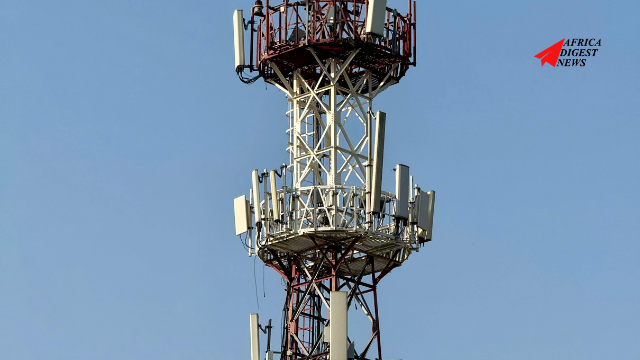
In April 2026, a significant shift in African infrastructure financing has become evident: the convergence of telecommunications and renewable energy. For years, the expansion of mobile networks across the continent was hampered by the high cost and unreliability of diesel-powered towers.
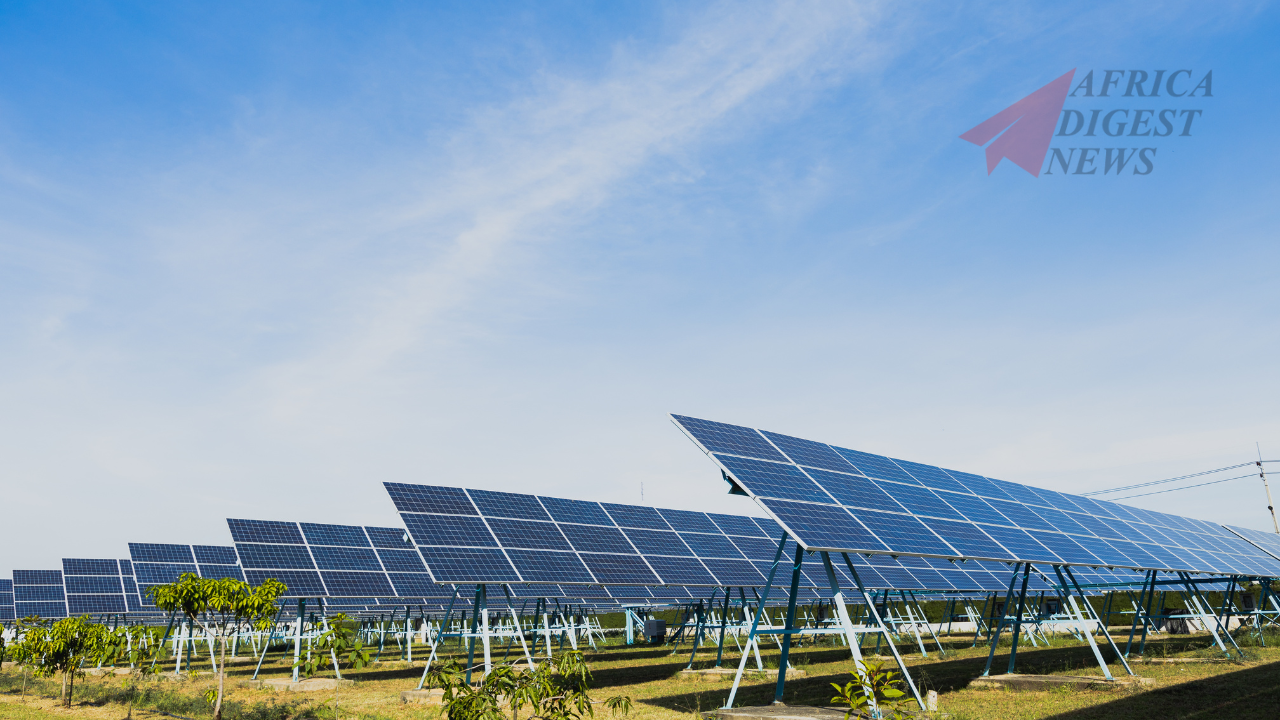
Today, institutional investors and development finance institutions (DFIs) are pouring billions into “Green Telecom” infrastructure deals, recognizing that solar-powered towers are no longer just an environmental choice, they are a financial imperative.
The primary driver for this investment surge is the dramatic reduction in operating expenditures (OPEX). In 2026, the International Finance Corporation (IFC) reported that replacing diesel generators with solar-plus-battery systems can cut power costs for telecom operators by up to 52% in Ethiopia and 30% in Nigeria.
For investors, this creates a highly predictable cash flow model. Telecom towers require 24/7 power, and by locking in long-term “Energy-as-a-Service” (EaaS) contracts, infrastructure funds can secure stable, inflation-linked returns that outperform traditional equity markets.
The financing of these projects has evolved from simple corporate loans to sophisticated Special Purpose Vehicles (SPVs).
In early 2026, a consortium of European and African banks launched a $450 million Green Telecom Bond, specifically earmarked for the solarization of 5,000 towers across East and West Africa.
These bonds are often “de-risked” through partial credit guarantees provided by organizations like MIGA (Multilateral Investment Guarantee Agency), making them attractive to pension funds and insurance companies seeking ESG-compliant assets with investment-grade profiles.
Read Also: How Renewable Energy Certificates are Funding Africa’s Off-Grid Future
Investors are also drawn to the “multiplier effect” of solarized telecom. A solar-powered tower often serves as a “mini-hub” for local communities, providing excess power for cooling, water pumping, or community charging stations.
This integrated approach allows developers to tap into multiple revenue streams, further enhancing the bankability of the project.
As we move through 2026, the “Green Tower” model has become the blueprint for rural electrification, proving that digital and energy inclusion can be financed simultaneously.
By Thuita Gatero, Managing Editor, Africa Digest News. He specializes in conversations around data centers, AI, cloud infrastructure, and energy.