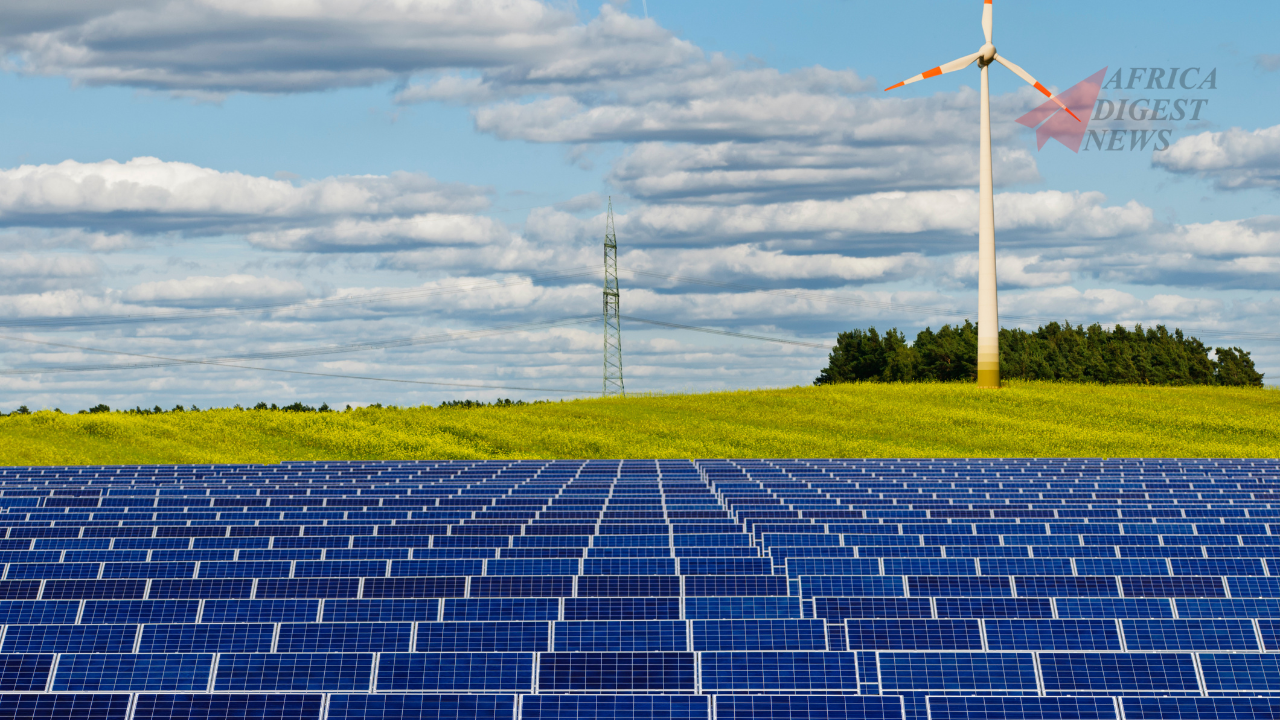
Scatec has reached full commercial operations at Egypt’s 1.1 GW Obelisk hybrid solar-and-storage project, completing a development that combines massive solar generation with grid-scale battery storage. Located near Nagaa Hammadi in Upper Egypt, the project consists of 1.1 GW of solar PV and a 100 MW/200 MWh battery energy storage system, making it one of the largest renewable-energy projects on the continent and, according to Scatec, Africa’s largest completed solar-plus-storage installation.
The project was delivered in two phases. The first phase brought 561 MW of solar capacity and the full 100 MW/200 MWh battery system into operation, while the second phase added another 564 MW of solar capacity, bringing the total solar capacity to 1.1 GW. The completed project is expected to generate more than 3,000 GWh of clean electricity annually and avoid over 1.2 million tonnes of CO₂ emissions each year.
The commercial structure is equally significant. Electricity from Obelisk is being sold to the Egyptian Electricity Transmission Company (EETC) under a 25-year, US-dollar-denominated power purchase agreement signed in November 2024. The project, valued at around $590 million, was financed with support from development-finance institutions including the EBRD. Scatec says the project reached full commercial operations in less than two years after the PPA was signed, highlighting the speed at which large renewable projects can now be developed in Egypt.
Read Also: How Scatec Financed Egypt’s $590 Million Obelisk Solar-Plus-Storage Project
The battery component is particularly important because it moves Obelisk beyond the traditional model of simply adding solar generation. The 200 MWh BESS can store electricity and shift its delivery, helping the system manage solar variability and provide greater flexibility to the grid. As Egypt accelerates renewable deployment, storage is becoming increasingly important for integrating large volumes of intermittent solar and wind power without placing the same level of pressure on conventional generation.
Obelisk also strengthens Scatec’s position in Egypt, where the company already operates a 380 MW solar portfolio at Benban. With the new project fully operational, Scatec now has roughly 1.5 GW of solar capacity operating in the country. More broadly, the project reinforces Egypt’s emergence as a major African market for utility-scale renewables and battery storage, demonstrating how the next phase of the continent’s energy transition is increasingly about combining cheap renewable generation with the storage and grid flexibility needed to make it dispatchable and reliable.