Blu Label Unlimited is moving beyond prepaid electricity distribution into power generation, with its energy subsidiary BluEnergy beginning construction of a R360 million ($21.8 million) solar plant that will supply the City of Ekurhuleni under a 20-year electricity supply agreement.
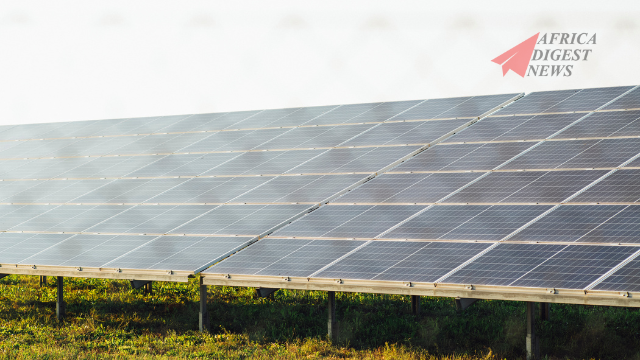
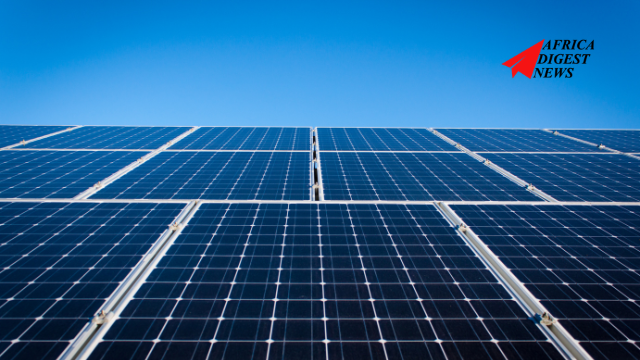
The 25.6 MWp facility at the Springs Fresh Produce Market is being developed with IBS Crafts and will use the market’s rooftop space and surrounding unused land for solar panels. Once operational, it is expected to generate approximately 40 GWh of electricity annually for the municipality.
The project is the first to enter construction from Blu Label’s previously disclosed 180 MW renewable energy pipeline. It also introduces a financing model in which the private developer funds the infrastructure while the municipality purchases the electricity generated, avoiding an upfront capital contribution. For Blu Label, the development represents a strategic expansion of its existing municipal electricity business into generation, adding a new source of potential revenue alongside its established prepaid electricity vending and revenue-assurance operations.
BluEnergy’s 25.6 MW Solar Plant Targets Municipal Electricity Demand
The Springs project will connect to the Springs Bulk Substation, adding renewable electricity to Ekurhuleni’s municipal network. Its expected annual generation of 40 GWh is equivalent to the electricity consumption of approximately 6,000 average households. The project is also expected to avoid around 36,000 tonnes of carbon dioxide emissions annually, according to project information.
Construction is expected to create more than 100 job opportunities, with additional operations and maintenance roles supporting the facility once it enters service. The plant is being developed under the City of Ekurhuleni’s Independent Power Producer Programme, which enables the municipality to procure electricity from privately developed generation projects.
BluEnergy and IBS Crafts will own and operate the facility through Olympia Park, a company in which BluEnergy holds the majority stake. IBS Crafts was selected as the preferred bidder under the municipal procurement programme.
The project will use existing public property to accommodate new generation infrastructure, demonstrating how municipal sites can support private investment without requiring the city to finance the construction directly.
How the 20-Year Power Purchase Agreement Works
Under the arrangement, the independent power producer finances the solar plant and sells its electricity to Ekurhuleni under a 20-year power purchase agreement (PPA). A PPA establishes the commercial terms under which a buyer purchases electricity from a generator over an agreed period. For the developer, the long-term contract can provide greater visibility over future revenue, helping support investment decisions and financing arrangements.
For the municipality, the structure provides access to additional generation capacity without having to fund the full construction cost upfront. The city pays for electricity supplied under the agreement rather than owning and financing the plant itself. The model does not mean the electricity is free to the municipality. The applicable purchase price, contractual terms and the volume of electricity delivered remain important to the project’s overall economics.
The arrangement also transfers development and construction responsibilities to the private project company, while Ekurhuleni remains responsible for purchasing the electricity under the agreed contract.
Blu Label Expands From Prepaid Electricity Into Power Generation
Blu Label has an established presence in South Africa’s municipal electricity market through Cigicell, its prepaid electricity vending and revenue-assurance business. The company says Cigicell’s systems operate in more than 95 municipalities across all nine provinces, supporting electricity vending and revenue collection.
The move into generation extends this relationship with municipalities from the systems used to sell and collect payment for electricity to the infrastructure that produces electricity in the first place. Blu Label co-CEO Mark Levy has described the strategy as bringing together generation, energy trading, payments and revenue assurance to strengthen its municipal energy offering.
The expansion comes as the economics of its established electricity vending business face pressure. Blu Label reported that Cigicell sold R46.2 billion in prepaid electricity on behalf of municipalities in the financial year to May 2026, while its commission revenue declined by 13% to R279 million, according to TechCentral.
Developing electricity generation projects gives the group another potential source of earnings, although the contribution will depend on construction progress, operating performance, contracted electricity sales and the commercial terms of individual projects.
BluEnergy has also received a multi-year electricity trading licence from the National Energy Regulator of South Africa. The licence creates a route for the company to participate in electricity trading, although the company had not yet begun trading or wheeling electricity from other renewable energy producers at the time of the latest reporting.
Ekurhuleni Opens Its Electricity Market to Independent Producers
The Springs solar plant forms part of a wider effort by Ekurhuleni to diversify its electricity procurement through independent power producers. The municipality has received approval to procure up to 2,400 MW from independent producers, creating a framework for additional generation projects to supply its electricity network.
Ekurhuleni has estimated that its broader procurement programme could save approximately R36 billion in bulk electricity costs over 20 years. That estimate relates to the wider programme rather than the Springs solar project alone.
The shift towards private generation is significant because municipalities need to secure electricity for households and businesses while managing the financial and operational demands of their existing supply arrangements. Private investment can provide an alternative route to building generation capacity, particularly when developers can secure suitable sites, grid connections and long-term electricity purchase agreements.
However, the effectiveness of this approach will depend on the prices municipalities agree to pay, the reliability of the projects, the availability of grid infrastructure and the ability of municipal buyers to meet their contractual obligations. For developers, a long-term municipal contract can provide a clearer commercial basis for investment. For municipalities, the challenge is to procure additional electricity on terms that improve supply options without creating unsustainable costs.
BluEnergy’s 180 MW Pipeline Creates Room for Further Expansion
The Springs facility is the first project from Blu Label’s previously disclosed 180 MW pipeline to enter construction. The company has identified municipal and commercial energy projects as areas for expansion, using its existing relationships and electricity-market capabilities to develop a larger role in supply.
In August 2026, Blu Label indicated that it had secured approximately 400 MW of generation capacity, including sites, power purchase agreements and grid connections for 180 MW. The Springs project now provides a concrete step towards bringing part of that pipeline into construction.
The remaining pipeline should not be treated as operational capacity. Projects must progress through the relevant development, financing, construction and commissioning stages before they can supply electricity. BluEnergy’s ability to expand will depend on how quickly it converts its project pipeline into operating assets, secures commercially viable contracts and manages the capital requirements associated with construction.
The group will also need to demonstrate that its new generation business can complement its established municipal services operations and produce sustainable returns over the life of its projects.
What the Solar Project Means for South Africa’s Municipal Energy Market
BluEnergy’s investment illustrates how private developers can use long-term electricity contracts to finance new generation capacity for municipal buyers. The model creates a potential route for municipalities to add renewable generation without funding the full cost of infrastructure construction. It also gives developers an opportunity to secure contracted electricity sales over an extended period.
Read Also: Nigeria’s 14GW Power Capacity Milestone Masks a Much Smaller Supply
For South Africa, the approach could support greater participation by independent power producers in local electricity markets, provided projects can secure grid connections, meet procurement requirements and deliver electricity at commercially viable prices. The Springs solar plant is an initial step rather than proof that the wider model has already been scaled successfully. Its longer-term significance will depend on whether construction is completed, the plant delivers its expected output and the contractual arrangement works for both the developer and the municipality.
For Blu Label, the project marks a transition from facilitating electricity payments to participating directly in electricity supply. For Ekurhuleni, it adds another potential source of power under a programme intended to diversify the city’s energy procurement. The next test will be whether the first project can establish a repeatable model for bringing private capital into municipal electricity infrastructure across South Africa.