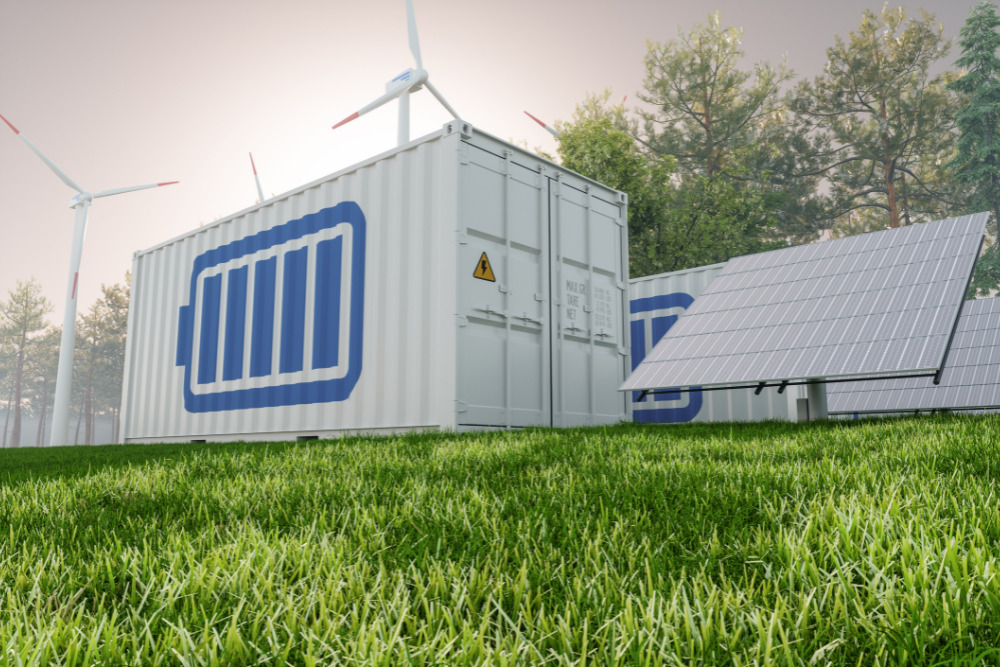
South Africa will procure 4,600 MW of battery energy storage systems (BESS) and 5,000 MW of gas-to-power under its Integrated Resource Plan 2025. Electricity Minister Kgosientsho Ramokgopa announced the acceleration on Wednesday, framing it as an urgent response to curtailment risk and the need for dispatchable, flexible supply. This is about making sure the megawatts already in the pipeline can actually be used.
Curtailment occurs when available generation cannot be absorbed by the grid due to network constraints or oversupply conditions. Electricity that could serve consumers is left unused while infrastructure and contractual costs remain. Ramokgopa’s message was direct: “Install capacity must translate into usable electricity, dependable supply, and economic value.” The immediate priority is storage and flexible generation, not more variable renewables. South Africa’s grid is already seeing periods where solar and wind output exceeds demand or transmission capacity. Without storage or gas peakers, that surplus power is wasted. BESS converts excess generation into electricity for later use flattening the curve and protecting system costs.
The plan
- 4,600 MW BESS – Central to improving utilization of available electricity before adding further variable generation.
- 5,000 MW gas-to-power – Provides dispatchable electricity when renewable output falls or demand rises.
- 14,000 km of new high-voltage transmission lines over the next decade, at an estimated cost of R440 billion, to connect new wind, solar, battery, and gas projects while strengthening the network.
The IRP 2025, gazetted last year, seeks to diversify the energy mix by expanding renewables, gas, and nuclear capacity while managing the gradual decommissioning of coal plants. The Independent Power Producer Office confirmed in August that the first gas-to-power procurement round is progressing on schedule, with bid evaluations at an advanced stage. The bidding window closed on May 29, 2026, and preferred bidders were expected about three months later around late August or early September.
Read Also: Qair Secures €30 Million Debt for Chad’s Solar-Plus-Storage Projects
Market participants say an announcement is needed to provide demand certainty for planned LNG import and gas supply projects. Ramokgopa acknowledged the delay but emphasized the strategic need: “We know that we’re still in the period of finalising the evaluation of the previous round… But there’s a need for us to have an energy source that is flexible and that is dispatchable.”
South Africa’s seventh administration has tied energy policy to industrial production and employment. Curtailment undermines both: it wastes capital, raises system costs, and erodes investor confidence in new generation projects.
The 9,600 MW allocation is intended to:
- Minimize curtailment of existing and pipeline renewables.
- Avoid undermining future private-sector procurement by ensuring offtake certainty.
- Support dependable supply for industry—critical for GDP growth and job creation.
Three signals for investors and policymakers:
- Storage is now a priority asset class. BESS is a core infrastructure for grid stability and renewable integration.
- Gas is the bridge fuel—explicitly. South Africa is not pretending otherwise. Dispatchable gas complements variable renewables and protects system reliability.
- Transmission is the bottleneck. R440 billion over ten years is a massive commitment. But without it, even 9,600 MW of flexible capacity cannot be fully utilized.
The government has signaled its priorities. Storage first. Gas next. Transmission in parallel. If your project does not align with that sequence, you are betting against the IRP.