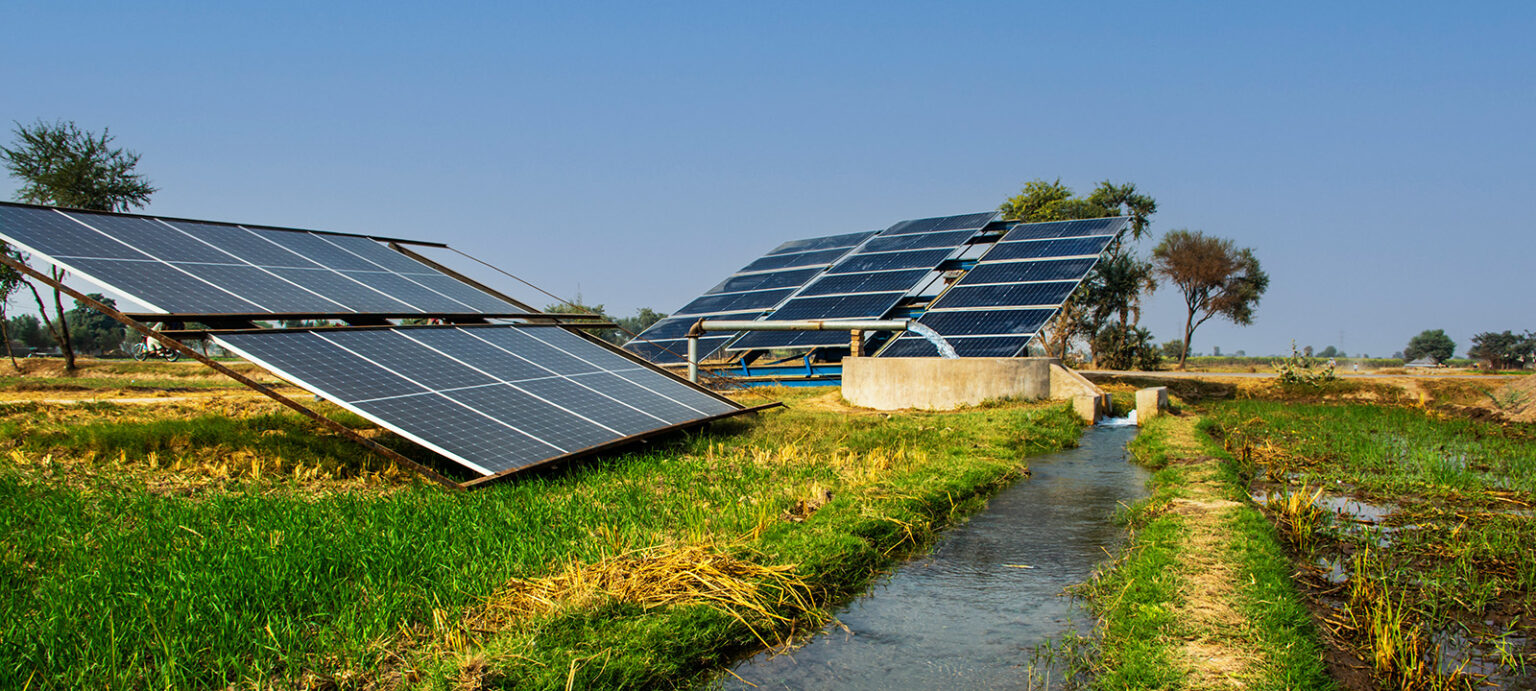
African universities are increasingly being positioned as places where renewable energy technologies can be tested in real operating environments, rather than remaining confined to laboratories and academic research. The Technological Higher Education Network South Africa (THENSA) has launched a Global South–North Renewable Energy Demonstration Living Labs Network, expanding an earlier Africa-Ireland programme into a platform connecting universities and research institutions across Africa, Europe and the United States.
The network is built around the idea of “living labs” — physical and virtual environments where researchers, industry partners and communities can jointly develop, test and refine energy technologies. Instead of designing solutions in isolation and deploying them later, the approach puts technologies into actual settings where factors such as local energy resources, grid conditions and community needs can influence how they are designed and improved.
The technical focus spans several areas that are becoming increasingly important to Africa’s energy systems. The participating labs will work on solar PV and wind resource assessment, hybrid power systems and smart microgrids, green hydrogen, waste-to-energy and biogas. Some of the work will also involve campus microgrids and pilot electrolysis systems, giving universities the opportunity to operate and evaluate technologies that could eventually be deployed beyond their campuses.
Read Also: Why Morocco Has Become GAC’s Gateway to a New-Energy Africa
The network also changes the role universities can play in the energy transition. Rather than being primarily recipients of technologies developed elsewhere, African institutions can contribute local data, engineering expertise, operating experience and research to the development process. The partnership with European and US institutions is intended to support shared methodologies, joint curricula and research, while also creating opportunities to attract funding from international donors, development-finance institutions and innovation programmes.
The initiative grows out of the Africa-Ireland Renewable Energy Demonstration Living Labs Programme, which brought together a smaller group of South African, Namibian and Irish institutions. Its expansion into a wider Global South–North network reflects a broader shift towards applied energy research that can be demonstrated, measured and adapted before being scaled. For Africa, the value of the model will ultimately depend on whether these university-based demonstrations can move beyond campuses and produce technologies, skills and business models that work in the wider energy market.