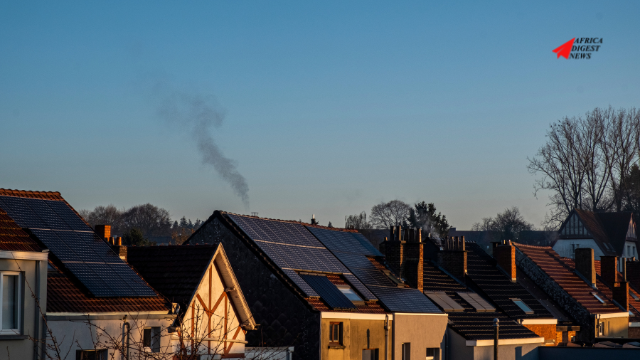
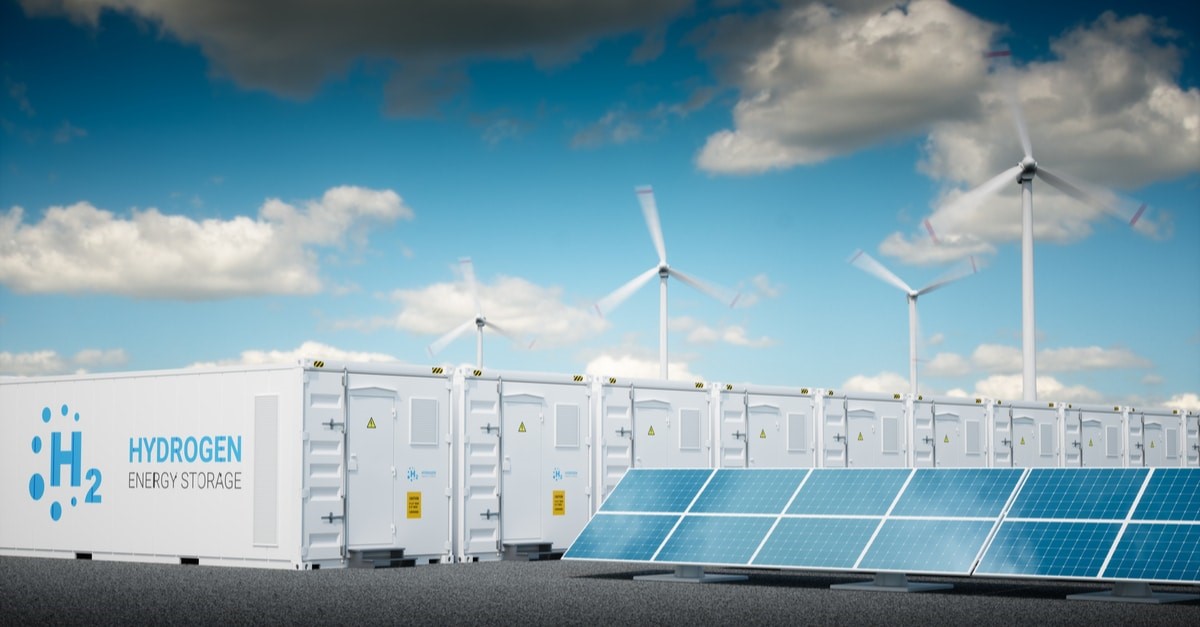
First Quantum Minerals is investing $500 million in a combined solar and wind project designed to secure electricity supply for its operations in Zambia. The development includes a 230-megawatt solar installation and a 200-megawatt wind facility to supply the company’s Kansanshi and Sentinel mines.
For Zambia’s mining sector, the decision reflects changing conditions across the national electricity system. Hydropower has historically provided most of the country’s supply. Recent drought cycles have reduced water levels at major reservoirs, leading to power shortages and rationing. Mining companies are now building their own generation capacity to maintain production schedules.
The hybrid structure of the project addresses reliability directly. Solar generation will support daytime operations. Wind capacity is expected to contribute during evening hours. Together, they create a more stable supply profile than a single-technology installation.
The benefits extend beyond the mining sites themselves. By producing electricity independently, First Quantum Minerals reduces pressure on Zesco. That releases grid capacity for households, schools and smaller businesses currently affected by supply shortages.
Read Also: World Bank’s MIGA Moves to Portfolio Guarantees to Accelerate AMEA Power Renewable Pipeline
The construction phase is expected to create more than 1,200 jobs, with recruitment focused on local workers. Employment linked to infrastructure projects remains one of the fastest ways renewable investment translates into regional economic activity.
Government officials view the development as aligned with national diversification goals under Vision 2030. Mining remains Zambia’s largest export sector. Stabilising its electricity supply strengthens national revenue while allowing the country to expand renewable generation capacity at the same time.
The project also signals a broader shift. Across southern Africa, mining companies are becoming independent electricity producers. That change is reshaping how large industrial users interact with national utilities.
Instead of relying entirely on grid supply, they are building generation alongside it. Zambia’s energy transition will depend partly on how widely that model spreads across the sector.
By Thuita Gatero, Managing Editor, Africa Digest News. He specializes in conversations around data centers, AI, cloud infrastructure, and energy.