Prime Minister Narendra Modi has announced a significant acceleration of the country’s transition towards decentralized, self-reliant energy systems.
The core of this ambitious policy direction focuses on two critical pillars: the rapid expansion of solar-powered irrigation systems and the widespread adoption of electric vehicles (EVs).
This is a calculated economic strategy designed to drastically reduce India’s heavy dependence on imported fossil fuels and insulate the nation from geopolitical uncertainties.
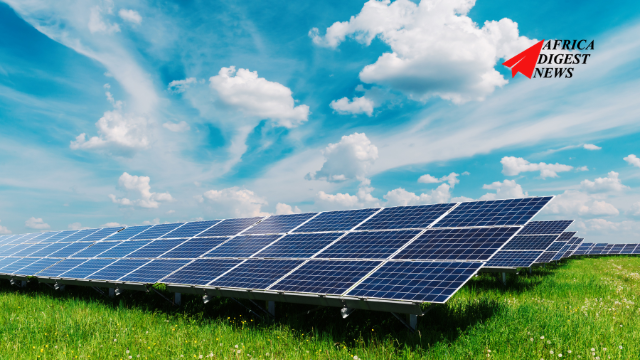
A central component of this strategy is the scaling up of the PM-KUSUM (Pradhan Mantri Kisan Urja Suraksha evam Utthaan Mahabhiyan) scheme. This initiative aims to revolutionize Indian agriculture by replacing millions of diesel-powered water pumps with solar alternatives.
The implications are profound: by reducing diesel dependence, the government aims to significantly lower operational costs for farmers, enhancing their profitability and resilience. Furthermore, this shift towards solar irrigation strengthens rural energy independence, ensuring that agricultural productivity is no longer held hostage by fluctuating global oil prices or unreliable grid power.
The second pillar of Modi’s energy resilience push is the accelerated transition to electric mobility. Recognizing that the transport sector is a major consumer of imported oil, the government is prioritizing the expansion of EV adoption, with a particular emphasis on electrifying public transport networks.
This involves not only incentivizing the purchase of EVs but also building the necessary charging infrastructure to support widespread use. By shifting from internal combustion engines to electric powertrains, India aims to significantly reduce its oil import bill, improving its balance of trade and enhancing national economic stability.
This decisive policy direction is expected to trigger a massive wave of investment across several key sectors. The demand for solar infrastructure, including panels, inverters, and mounting systems, will surge as the PM-KUSUM scheme expands.
Concurrently, the need for robust battery storage systems will grow exponentially to support both solar irrigation and the burgeoning EV market. Furthermore, significant investments will be required to develop comprehensive rural energy networks and establish robust EV supply chains, creating new economic opportunities and driving technological innovation within the country.
Modi’s push for solar irrigation and EVs represents a structural shift in India’s energy paradigm. It’s a move away from centralized, fossil-fuel-dependent systems towards a future defined by decentralized, renewable energy generation and electrified transport.
This transition is not just about mitigating climate change; it’s about securing India’s economic future, empowering its farmers, and establishing the nation as a global leader in the transition to a sustainable, resilient energy economy.
The message is clear: energy independence is a national priority, and solar power and EVs are the engines driving this transformation.
By Thuita Gatero, Managing Editor, Africa Digest News. He specializes in conversations around AI and energy.