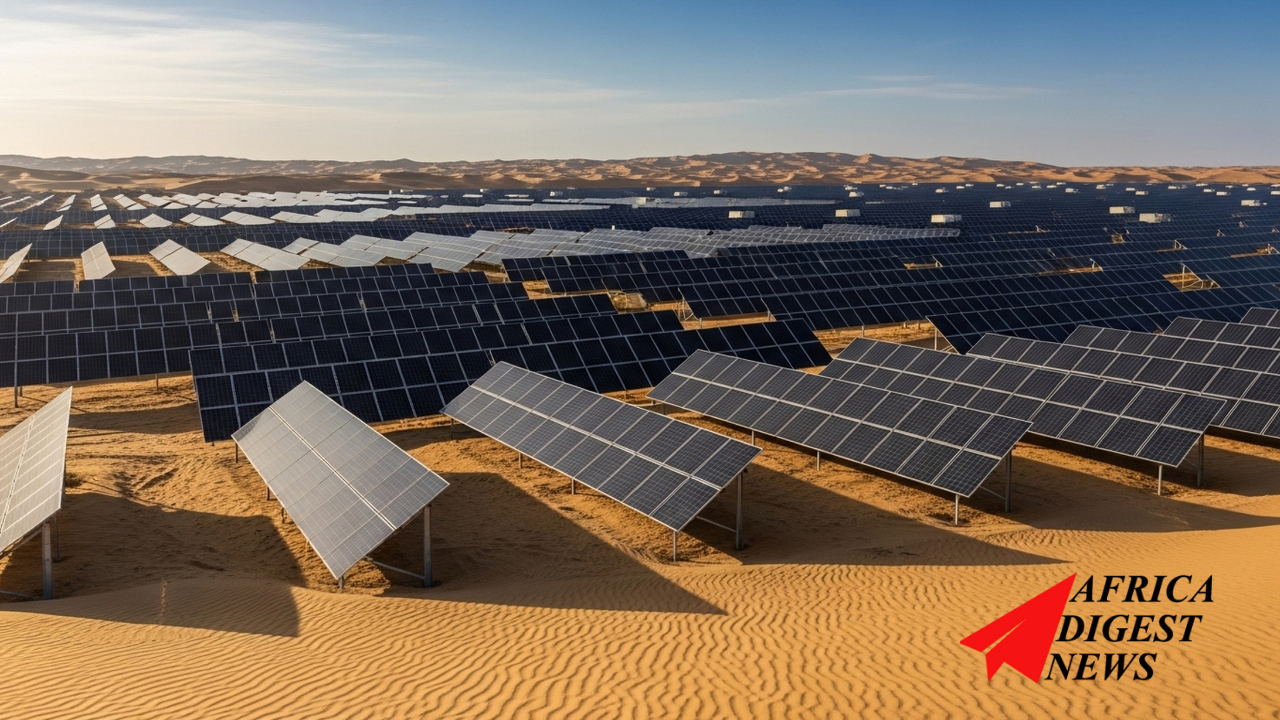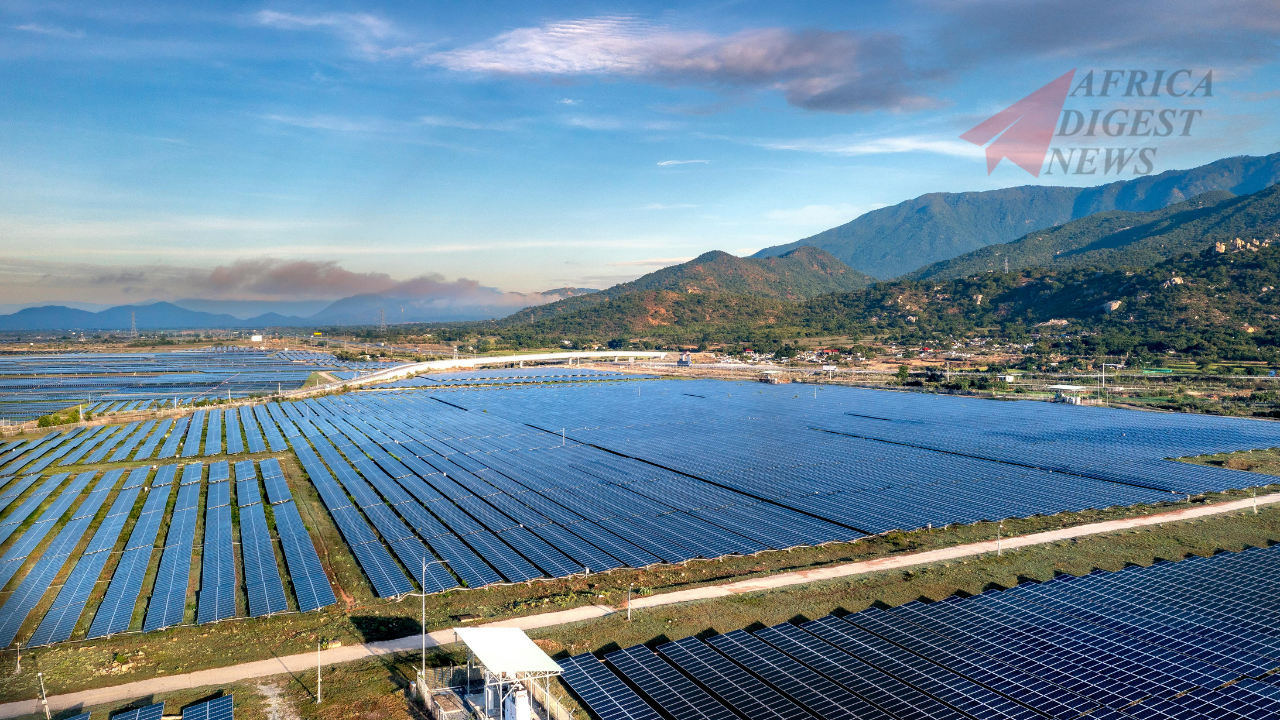
Africa imported more than 2 gigawatts of solar panels in a single month for the first time in 2025. This is not a one-off spike.
The same pattern is appearing across markets, from farms and workshops to small commercial sites and informal microgrids. The driver is not policy ambition or climate messaging. It is price.
Chinese solar panels have crossed a threshold that matters in developing economies: they are now cheap enough to be bought with cash. For years, solar adoption in Africa depended on financing.
Panels were affordable only if loans, grants, or donor-backed programmes were available. Financing in emerging markets is slow, expensive, and uneven. That constraint has now weakened.
Panel prices have fallen to a point where individuals, SMEs, and farmers can pay upfront. Once that happens, adoption accelerates. Banks are no longer a gatekeeper. Projects do not stall waiting for approvals. Buying solar becomes a straightforward purchasing decision, not a capital-raising exercise.
Freight economics have reinforced the shift. The cost of shipping new panels from China to Africa has fallen sharply, to the point where importing brand-new panels is cheaper than sending second-hand panels from Australia.
This matters because it resets the baseline cost of energy hardware across the continent. When logistics favour new equipment over reused stock, scale follows.
Inverters and balance-of-system components are also getting cheaper. Prices are falling at rates comparable to batteries, with learning curves near 20%. This reduces total system cost and makes small installations viable without professional developers.
Read Also: How much solar capacity will be installed globally in 2026?
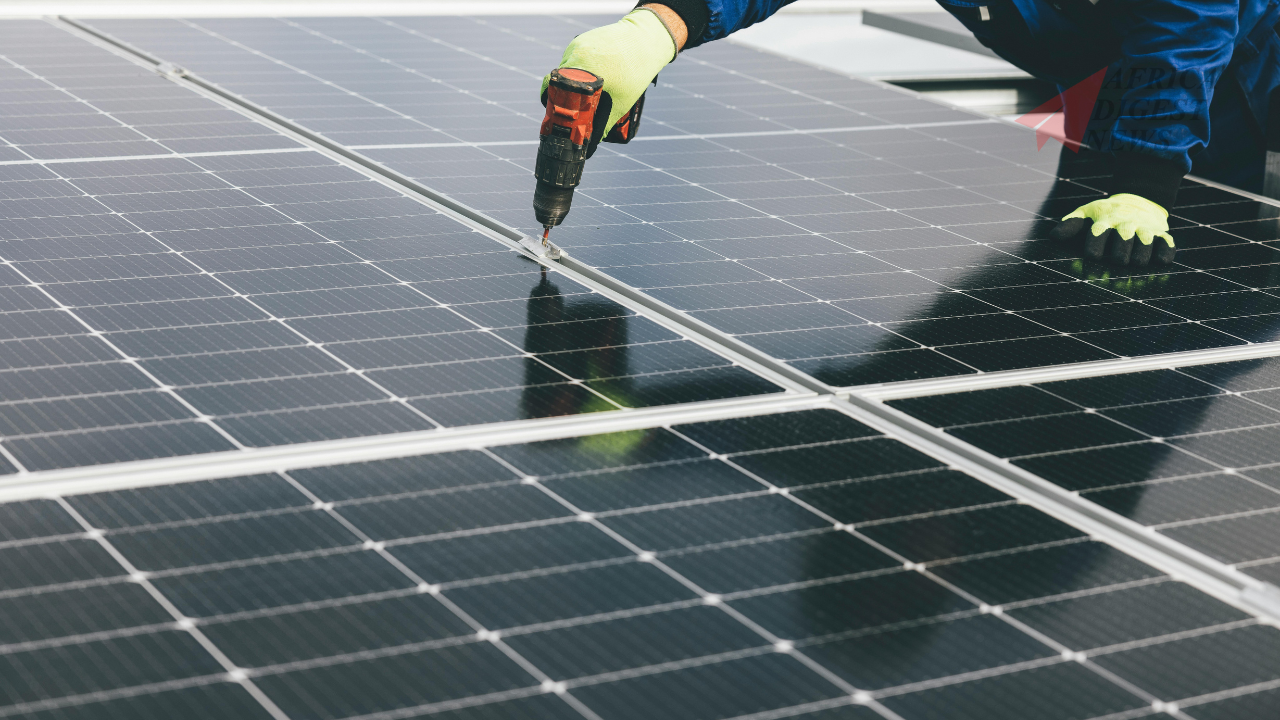
Across much of Africa, users are choosing basic panels, minimal electronics, and local installation. Power access is the goal not perfection.
This is where Africa’s experience now diverges sharply from the United States. In the US, rooftop solar still struggles to reach breakeven within 15 years for many households. Panels cost more, installation is expensive, and electrical compliance adds layers of cost. In Africa, users are stripping the system to essentials. Panels are cheap, labour is local, and installations are pragmatic.
The result is rapid growth in off-grid and semi-grid systems. Farms power irrigation and cold storage. Workshops run tools. SMEs avoid outages. Microgrids expand where utilities cannot keep up. The energy transition here is driven by economics first, policy second.
There are risks. A surge in panels and batteries will create a waste problem. Recycling and disposal systems are weak in many countries, and end-of-life management is already lagging. Storage remains a bottleneck, and local installation and service capacity must grow quickly to match demand.
Still, the signal is clear. The choke point for solar adoption in Africa was upfront cost. That constraint has loosened. When energy technology fits normal cash flow, adoption stops being ideological and becomes inevitable. This is how transitions actually happen.
By Thuita Gatero, Managing Editor, Africa Digest News. He specializes in conversations around data centers, AI, cloud infrastructure, and energy.