The African Development Bank (AfDB) is playing a pivotal role in accelerating clean energy access across the continent, exemplified by its recent approval of a significant grant for Eritrea.
This funding package, totaling approximately $58 million, is specifically earmarked to bolster solar power initiatives and modernize the national electricity grid within Eritrea’s Gash Barka Region, often referred to as the nation’s agricultural heartland .
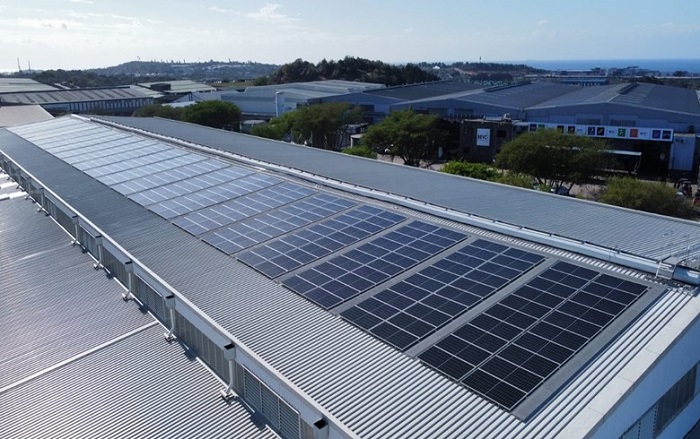
This strategic investment will facilitate the development of a 34-megawatt solar-powered mini-grid system. Designed to serve key towns such as Tesseney, Kerkebet, and Barentu, this project integrates solar power with advanced battery storage solutions.
The objective is to ensure a stable and continuous electricity supply, thereby significantly reducing the region’s reliance on costly and environmentally detrimental diesel-based power generation .
Beyond direct power generation, the project encompasses substantial upgrades to the local electricity distribution network. Plans include the construction of over 500 kilometers of new and enhanced distribution lines, crucial for extending electricity access to households, farms, and businesses in underserved communities.
These infrastructure improvements are anticipated to fortify grid reliability and catalyze economic development, particularly by enabling modern irrigation systems and cold storage facilities for agricultural produce, thus mitigating post-harvest losses and enhancing food security .
This Eritrean initiative is a component of the AfDB’s broader “Desert to Power” program, an ambitious regional undertaking aimed at harnessing the vast solar potential of the Sahel. This program seeks to provide electricity to an estimated 250 million people across 11 African nations.
For Eritrea, this project marks a critical stride towards diversifying its national energy mix, increasing renewable energy’s share, and diminishing dependence on fossil fuels. Furthermore, the grant supports technical training and capacity-building, ensuring local expertise in operating and maintaining solar and grid systems for long-term sustainability .
By Thuita Gatero, Managing Editor, Africa Digest News. He specializes in conversations around data centers, AI, cloud infrastructure, and energy.