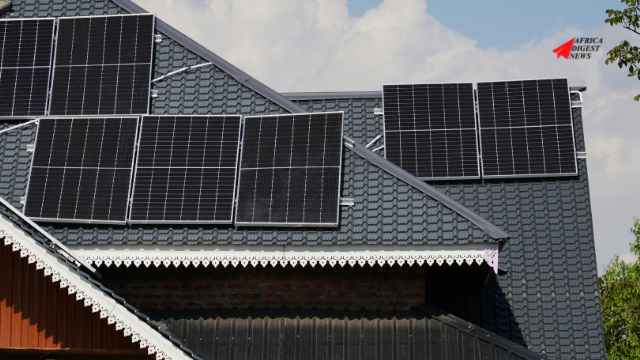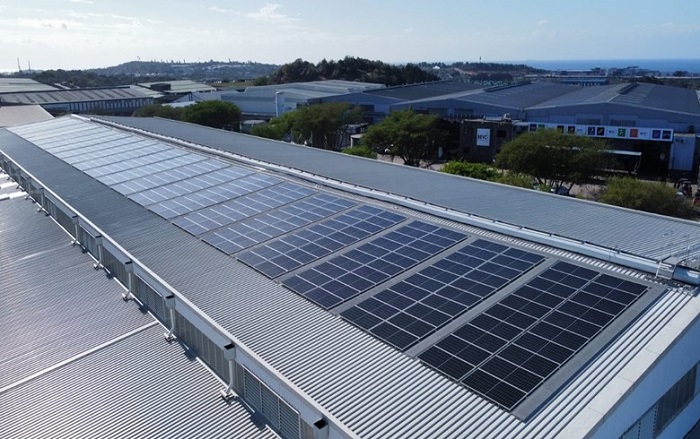
For years, large solar and wind projects were built almost exclusively to sell electricity to the national utility under long-term power purchase agreements. Today, a different model is beginning to take shape, one where private businesses buy renewable electricity directly through shorter, more flexible contracts. The latest example is Mainstream Renewable Power’s 50 MW Ilikwa Solar PV plant, which has officially entered commercial operation near Parys in the Free State. Unlike many of the country’s earlier utility-scale solar projects, Ilikwa supplies multiple commercial and industrial customers through Renewable Energy Supply Agreements (RESAs), allowing businesses to secure clean electricity without committing to the traditional 20-year procurement model.
As more companies look to reduce electricity costs, improve energy security and meet sustainability targets, many are reluctant to lock themselves into contracts spanning two decades. Shorter agreements make renewable energy accessible to a wider range of businesses while giving developers new ways to finance projects outside government procurement programmes. The numbers behind the project are significant too. The 50 MW facility is expected to generate more than 140 GWh of electricity every year—enough to supply roughly 42,000 average households while avoiding approximately 100,000 tonnes of carbon emissions annually.
Read Also: Why Commissioned Capacity Matters More Than Nameplate Capacity
Construction began after financial close in October 2024, and the project reached commercial operation less than two years later, demonstrating how quickly privately financed renewable projects are now moving from planning to production. While 50 MW won’t transform South Africa’s electricity system on its own, Ilikwa represents something much bigger. It shows that renewable generation is becoming a competitive private market where businesses not just utilities can choose who supplies their electricity, how long contracts last and how they manage energy costs.