China’s Ming Yang Smart Energy Group has secured an investment license for a $14.1 billion renewable energy project in Ethiopia, marking one of the largest private infrastructure commitments in the history of the continent.
The deal, expanded from an initial $10 billion agreement, signals a shift in how energy projects are conceived and executed in Africa. It moves beyond the traditional model of state-led electrification toward a massive, unified industrial ecosystem.
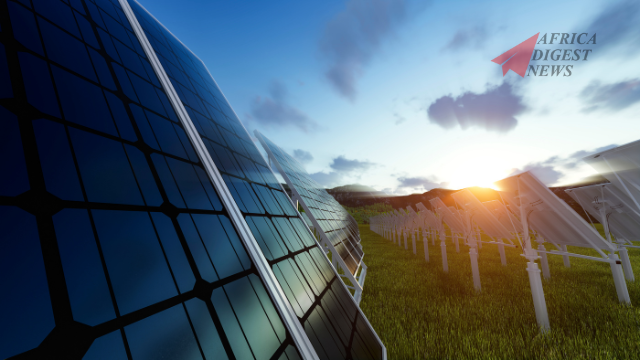
The first phase of the investment involves $7.47 billion to develop 8.4 gigawatts of capacity across the South Omo, Afar, and Somali regions. This includes 5.4 gigawatts of wind power and 2.8 gigawatts of solar generation.
To put this in perspective, the project alone aims to more than double Ethiopia’s current total installed capacity. The second phase, valued at $7.3 billion, focuses on green ammonia production and the local manufacturing of wind turbines and transmission equipment.
This is a functional attempt to turn renewable energy into a primary engine for industrial growth. By manufacturing the components of the energy transition within Ethiopia, Ming Yang is creating a localized supply chain that reduces reliance on imports.
This strategy addresses the persistent problem of foreign exchange shortages that have historically throttled Ethiopian industry. It positions the country not just as a consumer of technology, but as a producer for the regional market.
At its core, this investment reflects Beijing’s strategy to dominate the global green energy stack. While Western capital often remains hesitant, Chinese firms are deploying billions to secure the infrastructure that will power the next century.
Ethiopia’s willingness to host such a massive footprint demonstrates a clear-eyed recognition of its own needs. The country is choosing to anchor its future to the world’s most aggressive energy manufacturer, accepting the geopolitical implications in exchange for a seat at the table of the new energy economy.
By Thuita Gatero, Managing Editor, Africa Digest News. He specializes in conversations around AI and energy.