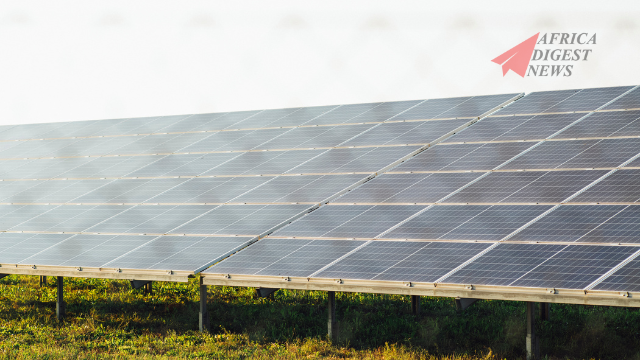
South Africa’s Hydra project marks an important milestone in the country’s energy transition, demonstrating how battery storage is changing the role of solar power on the electricity grid. Rather than simply adding more renewable generation, the project delivers something increasingly valuable to power systems: dispatchable clean electricity. Developed by TotalEnergies and its partners in the Northern Cape, Hydra combines a 216 MW solar photovoltaic plant with a 500 MWh battery energy storage system (BESS). According to the developers, it is Africa’s largest hybrid renewable energy project and will supply 75 MW of firm renewable capacity under a 20-year power purchase agreement (PPA) with Eskom.
The significance of Hydra lies less in its installed capacity than in its operating model. Conventional utility-scale solar generates electricity only when the sun shines, with output peaking around midday before falling sharply in the evening when electricity demand often rises. By integrating large-scale battery storage, Hydra extends renewable electricity delivery from 5:00 a.m. until 9:30 p.m., transforming intermittent solar into a predictable energy resource. This shift fundamentally changes the economics of renewable energy. Instead of selling electricity only during daylight hours, developers can deliver power during higher-value evening periods when the grid needs additional capacity. That improves project revenues, reduces curtailment risk, and makes renewable generation more attractive to utilities seeking reliable supply.
The project also reflects a broader evolution in South Africa’s electricity market. The first phase of renewable investment focused on adding low-cost generation capacity. The next phase is increasingly centred on firm power, renewable electricity that can be dispatched when required rather than only when weather conditions allow. Battery storage is central to this transition. While it increases project capital costs, it also creates a more valuable product by smoothing solar output, improving grid flexibility, and reducing dependence on conventional peaking generation. As battery costs continue to decline, hybrid projects are becoming increasingly competitive against traditional dispatchable power sources.
Read Also: Why Kenya’s Rift Valley Transmission Line Matters for the Country’s Renewable Energy Future
For South Africa, the timing is significant. The country’s electricity system requires not only additional generating capacity but also greater operational flexibility to improve reliability and reduce pressure during peak demand periods. Storage-backed renewable projects help address both challenges simultaneously by increasing clean energy supply while strengthening grid stability. Hydra also highlights the growing maturity of South Africa’s renewable energy market. A project of this scale requires sophisticated financing, long-term contractual certainty, and confidence that hybrid renewable assets can generate stable cash flows over decades. The 20-year PPA with Eskom provides that certainty while demonstrating that utility-scale storage has moved from demonstration projects to commercially bankable infrastructure.
The broader implication extends beyond South Africa. Across global electricity markets, renewable energy is increasingly competing not simply on the cost of generation but on its ability to deliver reliable electricity when consumers need it. Hybrid projects that combine solar with battery storage are becoming a key part of that transition. Hydra represents more than another large solar installation. It signals a shift in how renewable energy projects are being designed, financed, and valued. The market is moving beyond maximizing megawatts of generation toward maximizing the availability of clean electricity throughout the day.