For decades, millions of homes and businesses have built their own backup electricity systems around generators.
The sound is familiar. The smell is familiar. The monthly fuel bills are familiar. That dependence is now becoming expensive. Solar is increasingly becoming the alternative.
The question Nigerians are asking is whether generators still make economic sense. That is why solar panel prices in Nigeria have become one of the country’s most important household and business decisions.
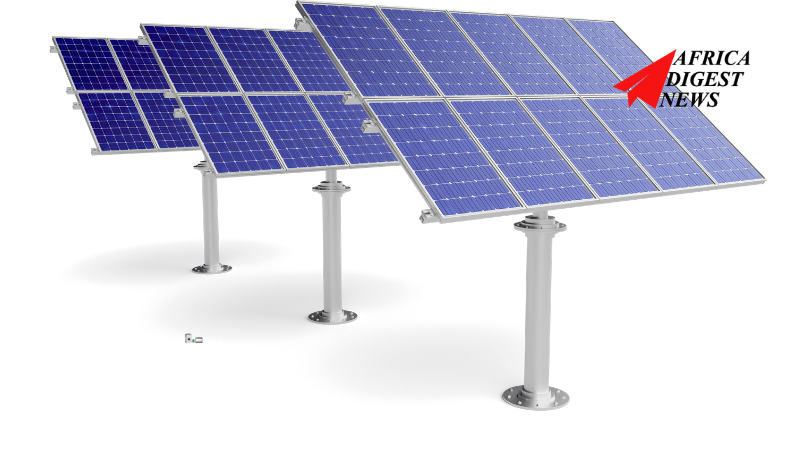
Average Solar Panel Prices in Nigeria (2026)
Prices vary depending on efficiency, manufacturer and import costs. Nigeria imports most of its solar equipment, meaning exchange rates directly influence pricing.
Current market prices generally fall within these ranges.
| Solar Panel Size | Estimated Price |
| 100W | ₦22,000 – ₦40,000 |
| 200W | ₦45,000 – ₦80,000 |
| 300W | ₦70,000 – ₦120,000 |
| 400W | ₦100,000 – ₦160,000 |
| 550W | ₦120,000 – ₦180,000 |
| 650W Premium Panels | ₦150,000 – ₦220,000 |
Popular brands include:
- Jinko Solar
- Longi Solar
- Trina Solar
- Canadian Solar
- Felicity Solar
The market is increasingly shifting toward high-efficiency monocrystalline panels.
The Solar Panel Is Not The Expensive Part
This surprises many buyers. The panel itself may only represent 25% to 35% of total project costs.
The complete system includes:
- Solar panels
- Hybrid inverter
- Lithium batteries
- Mounting structures
- Protection equipment
- Cabling
- Labour
How Much Does A Solar System Cost In Nigeria?
Small Apartment (1kVA)
Suitable for:
- Lights
- Television
- Fans
- Phone charging
Estimated cost: ₦450,000 to ₦700,000
Medium Household (3kVA)
Suitable for:
- Refrigerator
- Multiple rooms
- Entertainment systems
Estimated cost: ₦1.2 million to ₦2 million
Large Household (5kVA)
Suitable for:
- Water pumps
- Washing machines
- Home offices
Estimated cost: ₦2.5 million to ₦4 million
Whole Home Systems (10kVA+)
Suitable for:
- Air conditioning
- Large families
- Small businesses
Estimated cost: ₦5.5 million to ₦8.5 million and above.
Why Nigeria Is Different
Most countries compare solar against utility bills. Nigeria often compares solar against generators. That changes the economics entirely. Consider a small business spending ₦12,000 daily on fuel.
That is: ₦360,000 every month. ₦4.3 million every year. Now compare that with a ₦3 million solar installation that can operate for two decades. The conversation changes immediately. Solar stops looking expensive. Fuel starts looking expensive.
The Biggest Mistake Buyers Make
People design systems around emergencies. Professionals design systems around consumption. Before buying anything, ask:
- How many hours do I need electricity every day?
- What appliances run continuously?
- What can run only during daylight?
- How much generator fuel am I replacing?
Without these answers, the system will almost certainly be oversized or undersized. Both become expensive mistakes.
Why The Market Is Growing So Quickly
Nigeria has one of the world’s largest electricity deficits. Millions of people still lack reliable electricity access. Solar mini-grids are increasingly filling that gap, particularly in underserved communities.
At the same time, businesses are becoming impatient. Factories cannot stop production. Hospitals cannot pause operations. Retailers cannot afford spoilage. Electricity is becoming a competitive advantage. Solar simply happens to be one of the fastest ways to obtain it.