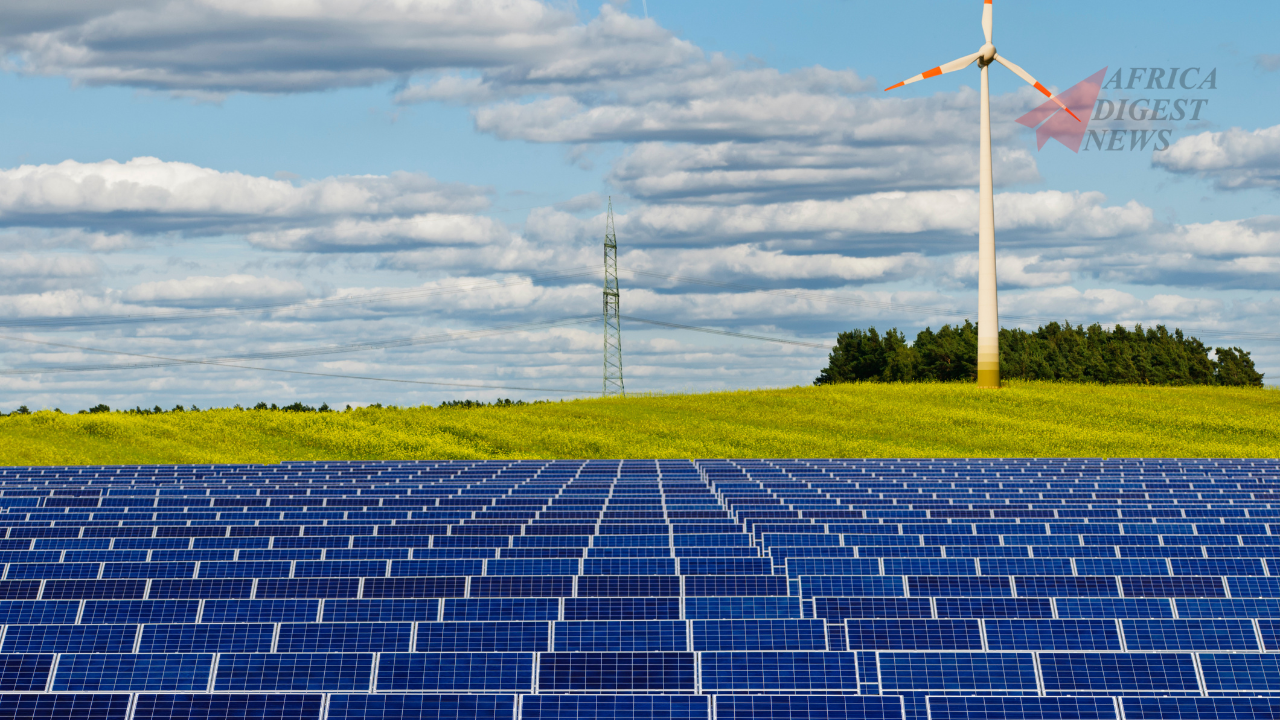
Every energy source asks for a trade-off. Coal provides dependable electricity but produces significant greenhouse gas emissions. Hydropower generates large amounts of electricity but depends on water availability. Solar generates electricity during daylight hours. Wind power follows the same rule.
It offers major economic and environmental benefits, but it also presents engineering, financial and operational challenges. Understanding both sides is essential before developing a wind project or comparing renewable energy technologies.
The Advantages of Wind Power
1. Wind Is a Renewable Resource
Wind cannot be depleted. As long as the sun heats the Earth’s surface unevenly, air will continue moving across the planet. That movement creates an energy source that does not require mining, drilling or fuel extraction.
Unlike coal or natural gas, generating electricity from wind does not consume the resource itself. This gives countries a long-term source of electricity that is independent of fuel reserves.
2. No Fuel Costs
Every conventional power station depends on a steady fuel supply.
- Coal must be mined.
- Natural gas must be transported.
- Diesel must be purchased repeatedly.
- A wind turbine requires none of them.
Once construction is complete, the wind arrives at no additional cost.
That makes operating expenses far more predictable over the lifetime of a project, reducing exposure to international fuel price fluctuations.
3. Low Greenhouse Gas Emissions
Wind turbines generate electricity without combustion. There is no smoke stack. No carbon dioxide is released while the turbine is operating.
Although emissions are associated with manufacturing, transporting and installing turbines, these occur primarily during construction rather than throughout decades of electricity generation.
For countries seeking to reduce emissions while expanding electricity access, wind offers a practical solution.
4. Land Can Still Be Used
A wind farm does not occupy every square metre of land. Most of the area between turbines remains available for agriculture, livestock grazing or other productive activities.
Farmers often continue cultivating crops or raising animals while earning additional income from leasing land for wind turbines. This dual use increases the economic value of rural land.
5. Creates Employment and Investment
Large wind projects require engineers, surveyors, electricians, construction teams, logistics providers and maintenance technicians. They also generate tax revenue for local governments and lease payments for landowners.
The economic impact extends beyond electricity production into manufacturing, transport and long-term operations.
6. Electricity Costs Continue to Improve
Larger turbines, improved blade designs and better control systems have steadily increased electricity production from each installation.
As turbines generate more electricity over their operating lives, the cost of each unit of electricity falls.
This has made onshore wind one of the most competitive sources of new electricity generation in many parts of the world.
The Disadvantages of Wind Power
1. Wind Does Not Blow All the Time
The biggest limitation of wind power is also the most obvious. Wind speeds change. Some days produce abundant electricity.
Others produce very little. Modern forecasting has improved considerably, but no technology can control the weather.
For this reason, wind works best as part of a diversified electricity system rather than as the sole source of power.
2. High Initial Investment
Operating a wind farm is relatively inexpensive. Building one is not. Developers must purchase turbines, prepare foundations, construct access roads, install transmission infrastructure and connect the project to the electricity grid.
These upfront costs require significant capital before the first kilowatt-hour is generated. The long operating life of wind farms helps recover these investments over time.
3. Suitable Locations Are Limited
Strong wind resources are not evenly distributed. An expensive turbine installed in a poor wind location will generate disappointing returns regardless of its quality.
Successful projects depend on detailed wind resource assessments conducted over many months before construction begins. Location determines performance more than the turbine itself.
4. Grid Infrastructure Must Keep Pace
Electricity has little value if it cannot reach consumers. Many high-quality wind resources are located far from major cities.
Transmission lines must therefore connect wind farms to national electricity networks. In countries where grid infrastructure is underdeveloped, transmission expansion becomes just as important as turbine installation.
5. Environmental and Community Considerations
Wind farms require careful planning. Poorly located projects can affect bird migration routes, bat populations or sensitive habitats.
Nearby communities may also raise concerns about visual impact or turbine noise. These issues are addressed through environmental impact assessments, careful site selection and modern turbine design.
The objective is not simply to build wind farms. It is to build them in the right locations.
6. Maintenance Requires Specialist Skills
Wind turbines operate in demanding environments for decades. Gearboxes, generators, blades and electrical systems require regular inspection and maintenance. Because many turbines exceed 100 metres in height, servicing them demands specialised equipment and highly trained technicians.
Proper maintenance directly affects reliability, electricity production and operating life.
Advantages vs Disadvantages
| Advantages | Disadvantages |
| Renewable energy source | Electricity output depends on wind conditions |
| No fuel costs after installation | High upfront construction costs |
| Very low operating emissions | Suitable wind sites are limited |
| Land remains usable for farming | Grid expansion is often required |
| Creates employment and local investment | Environmental assessments are necessary |
| Competitive long-term electricity costs | Requires specialised maintenance |
The Bigger Picture
Every electricity technology involves compromise. Wind power is no exception. Its greatest strength is that it generates electricity for decades without consuming fuel.
Its greatest limitation is that nature determines when the resource is available. Countries that achieve the best results do not expect wind to solve every energy challenge on its own.
They combine wind with solar, hydropower, geothermal energy, battery storage and modern transmission networks. The result is a power system that is more dependable, less exposed to fuel price volatility and better positioned to support long-term economic growth.
That is why wind power continues to expand across the world—not because it is perfect, but because its advantages outweigh its limitations when deployed in the right locations.