A planned 206 MW hydropower plant intended to supply electricity to the Democratic Republic of Congo (DRC), Rwanda and Burundi has suffered another setback after Chinese state-owned contractor Dongfang Electric Corp. withdrew from negotiations for the construction contract. The development threatens to delay Ruzizi III, a regional power project that has been in development for more than a decade and is intended to expand electricity supply and strengthen cross-border energy cooperation in the Great Lakes region. African Energy reported the withdrawal in October 2026.
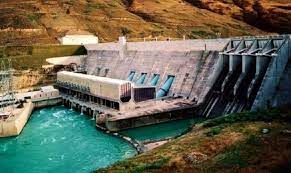
The project is planned for the Ruzizi River, which flows from Lake Kivu towards Lake Tanganyika along part of the border between Rwanda and the DRC. Its 206 MW generating capacity is intended to be shared among the three participating countries, allowing each to access additional hydropower without developing a separate large-scale plant. Ruzizi III is also structured as a regional public-private partnership, with development institutions and governments involved in efforts to bring the project to financial close and construction. Ruzizi III Energy Limited describes the scheme as a run-of-river project using a shared regional water resource.
Dongfang’s withdrawal affects the procurement process for the engineering, procurement and construction (EPC) contract. The Chinese company had been involved in a consortium with Egyptian contractors Orascom Construction and The Arab Contractors. Reports put the construction contract at approximately $700 million. The withdrawal leaves project stakeholders needing to determine how the contractor arrangement can proceed, whether the consortium can be restructured and how the remaining negotiations will affect the timetable. It does not, by itself, establish that the entire project has been cancelled, but it creates uncertainty around a major step towards construction. Africa Intelligence reported in September that the withdrawal had put the project’s progress at risk.
The setback comes after years of delays involving project agreements, development studies, procurement and preparations for implementation. The African Development Bank approved support for Ruzizi III in December 2015, while agreements among the three participating countries were signed in 2019. The project’s original timetable envisaged construction beginning in 2026 and operations around 2030, but those dates depended on contractor selection, financial close and other outstanding conditions. The latest withdrawal adds another uncertainty to a project that has yet to deliver electricity to the participating countries. African Development Bank and Ruzizi III Energy Limited provide background on its development and planned timeline.
Read Also: Zambia’s 56 MW Solar Project Moves Into Construction After Securing $52 Million
For the three countries, the delay matters because Ruzizi III is designed to contribute new renewable electricity while supporting regional power trade. Shared infrastructure can allow countries to benefit from a common generation project and diversify supply beyond their existing domestic resources. However, those benefits depend on the plant being completed, the associated transmission infrastructure being available and the participating utilities being able to receive and pay for their allocated electricity. Until construction and commissioning take place, the proposed capacity remains a future addition rather than electricity available to national grids.
The immediate challenge is to restore momentum in the contracting process and establish a credible path towards financial close and construction. Project stakeholders will need to clarify whether a replacement contractor or revised consortium can be secured, what that means for costs and financing, and how the schedule will change. For the DRC, Rwanda and Burundi, Ruzizi III remains a proposed route to additional regional power supply, but the latest withdrawal shows how procurement and implementation risks can delay the delivery of infrastructure even after years of preparation.