Sasol has appointed Envision Energy to design an integrated green hydrogen system at its Sasolburg operations in South Africa, opening a potential pathway for the production of e-methanol and sustainable aviation fuel (eSAF). The design study will examine how renewable power, battery storage and electrolysers can be combined to produce green hydrogen at the site, with the findings expected later in 2026. The project is part of Sasol’s wider effort to develop lower-carbon alternatives for its fuels and chemicals operations.
Renewables, batteries and electrolysers
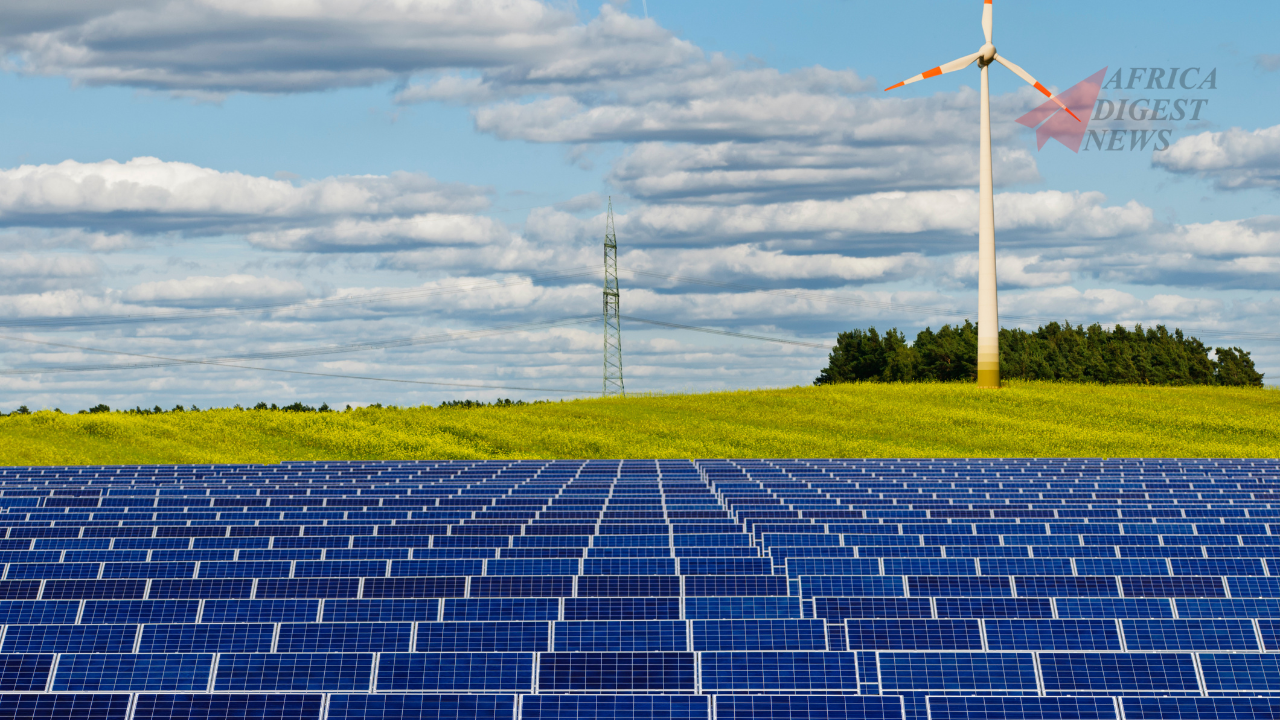
Under the collaboration, Envision Energy will design an integrated system combining wind and solar generation, battery storage and electrolysers. The system is intended to match hydrogen production with the availability and cost of renewable electricity. Rather than simply connecting an electrolyser to the grid, the study will examine how the different components can work together to improve the economics and reliability of hydrogen production. The resulting green hydrogen could eventually be used as a feedstock for e-methanol and eSAF, subject to the outcome of the study and subsequent investment decisions.
Why Sasolburg matters
Sasolburg is already home to a major Sasol fuels and chemicals complex, giving the project access to existing industrial infrastructure and expertise in areas such as syngas, methanol and downstream fuel production. That makes the site a potential bridge between Sasol’s existing carbon-intensive operations and new renewable-based production pathways. Instead of building an entirely new industrial ecosystem, Sasol can explore how green hydrogen can be integrated into an established fuels and chemicals hub.
A potential route into eSAF
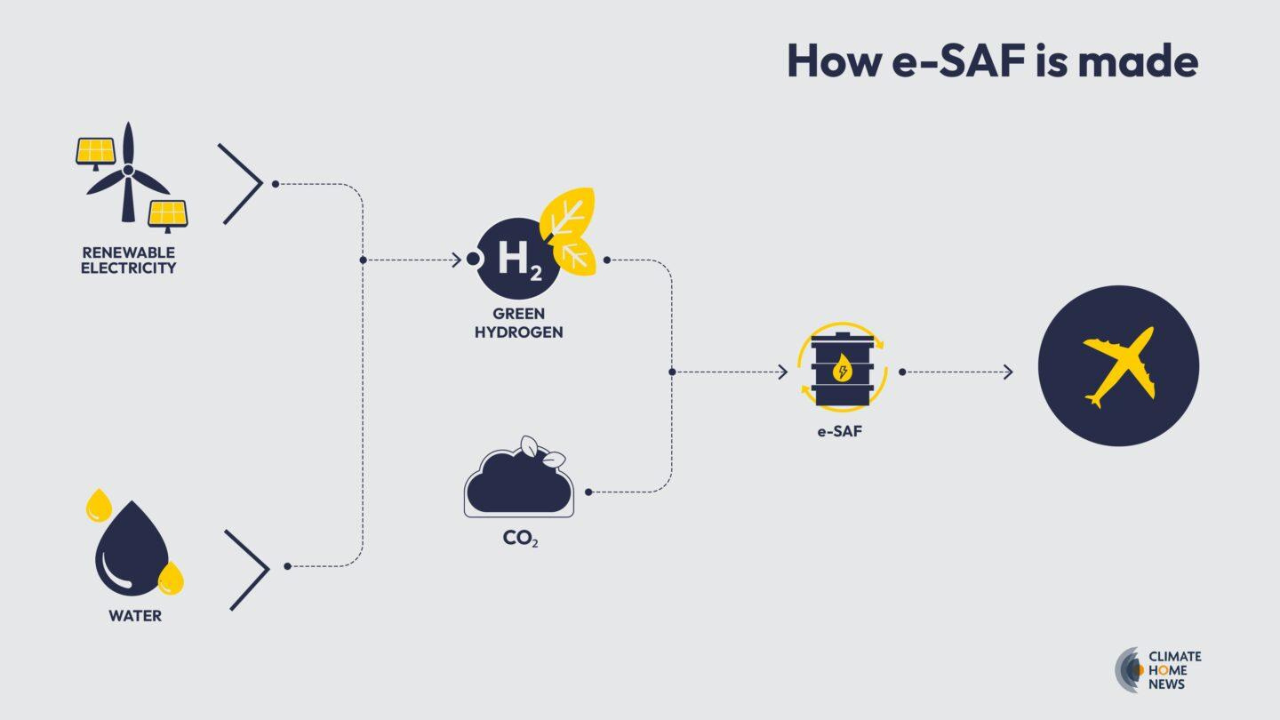
The hydrogen project could eventually support the production of electro-sustainable aviation fuel, or eSAF. eSAF is produced by combining green hydrogen with captured carbon dioxide to create synthetic hydrocarbons that can be processed into jet-fuel-range products. For Sasol, developing green hydrogen therefore goes beyond replacing conventional hydrogen. It could provide one of the key building blocks for producing lower-carbon fuels for sectors such as aviation where direct electrification remains difficult.
Envision to assess the economics
Envision Energy will be responsible for developing the technical design and assessing how the integrated system could operate competitively. The study is expected to provide Sasol with information on the technical configuration, operating model and commercial viability of the proposed system.
Read Also: How One 50 MW Solar Plant Shows South Africa’s Power Market Is Changing
The work is scheduled to conclude later in 2026. Sasol will then use the findings to determine whether the project can advance towards a final investment decision and construction. The appointment therefore does not yet represent a final investment decision on a green hydrogen plant.
Part of Sasol’s wider transition
The project fits into Sasol’s broader decarbonisation strategy as the company explores ways to reduce its dependence on fossil-based feedstocks and hydrogen. For South Africa, it also adds to the country’s growing push to develop green hydrogen and renewable-based fuels around existing industrial infrastructure.
If the project moves beyond the design stage, Sasolburg could become a testing ground for linking renewable electricity directly with established fuels and chemicals production. For now, the immediate milestone is the design study. But its significance lies in what Sasol could build on top of it: a renewable hydrogen platform capable of supplying new e-fuels while leveraging one of South Africa’s existing industrial hubs.