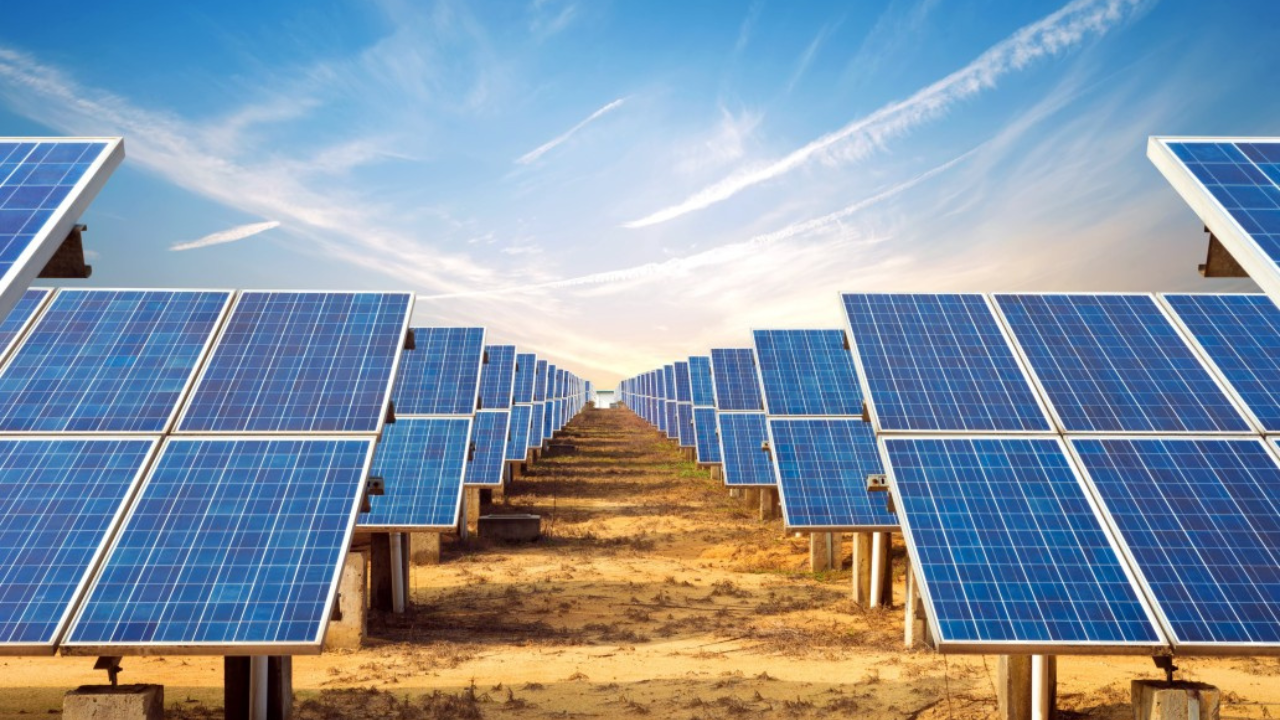
Your roof is unused real estate. Every day, sunlight lands on it and disappears. A rooftop solar installation turns wasted space into an electricity-producing asset. This is why rooftop solar has become the preferred installation method for homeowners around the world.
The roof already exists. The infrastructure is already there. The opportunity is already available. The only question is whether the roof is suitable.
Step 1: Assess Your Roof
Not every roof is ideal for solar.
Three things matter.
Roof Direction
North-facing roofs generally receive the best exposure in Kenya because the country sits near the equator. East and west orientations can still work.
Roof Strength
Solar panels add weight. An installer must verify that the roof structure can safely support the system.
Shading
Shade reduces electricity production. Common obstacles include:
- Trees
- Water tanks
- Chimneys
- Adjacent buildings
Small shadows can have large effects.
Step 2: Calculate Your Electricity Consumption
This comes before equipment selection. Gather your last three electricity bills.
Determine:
- Average monthly consumption
- Peak usage periods
- Nighttime energy needs
Consumption dictates system size.
Step 3: Install The Core Components
Every rooftop solar installation includes:
- Solar panels
- Inverter
- Battery storage
- Mounting rails
- Electrical protection systems
Each component performs a specific job. Remove one and the system becomes incomplete.
Rooftop Solar Decision Scorecard
| Factor | Good Candidate | Poor Candidate |
| Roof age | Less than 15 years old | Requires immediate repairs |
| Shade levels | Minimal shading | Heavy shading |
| Daily electricity usage | Moderate to high | Extremely low |
| Roof space | Large open sections | Limited space |
| Ownership | Property owner | Temporary tenant |
Common Mistakes
Avoid these decisions:
- Installing solar before fixing roof damage.
- Ignoring future energy needs.
- Prioritizing cheap equipment.
- Installing without professional assessments.
Solar panels create a second purpose for your roof. The roof stops being a protective surface. It becomes an energy-producing asset. Very few home upgrades can claim that. Every sunrise becomes a production cycle. That changes your relationship with electricity forever.
Ground Mounted Solar Systems Explained
Many people assume solar belongs on roofs. That assumption is wrong. Some of the most productive solar systems sit on the ground. Ground mounted solar systems are exactly what they sound like.
Solar panels installed on dedicated structures built directly onto land. This approach sacrifices convenience for performance. And in many situations, performance wins.
How Ground Mounted Systems Work
The technology is identical to rooftop systems. The difference is placement. The panels are installed on frames anchored into the ground instead of roofing structures.
The system still includes:
- Solar panels
- Inverters
- Batteries
- Electrical protection equipment
Only the location changes.
When Ground Mounted Systems Make Sense
Ground systems are ideal when:
- Roofs are heavily shaded.
- Roof space is limited.
- Land is available.
- Future expansion is important.
Businesses often prefer this setup.
Rooftop vs Ground Mounted Systems
| Category | Rooftop Solar | Ground Mounted Solar |
| Installation Cost | Lower | Higher |
| Maintenance Access | Moderate | Easy |
| Expansion Potential | Limited | Excellent |
| Cooling Efficiency | Moderate | Better |
| Land Requirement | None | Required |
| Installation Speed | Faster | Slightly longer |
Why Ground Systems Perform Better
Airflow. Heat reduces solar efficiency. Ground mounted systems have more space underneath them, allowing better cooling. Cooler panels produce more electricity.
The Biggest Drawback
Land has opportunity cost. Every square metre dedicated to solar cannot be used elsewhere. For urban environments, this matters. For farms and industrial properties, it often does not.
Who Should Consider Ground Solar?
These groups benefit the most:
- Farms
- Factories
- Schools
- Warehouses
- Large homes with extra land
Ground systems are less constrained. That freedom creates flexibility. Flexibility creates efficiency. Sometimes the best roof for solar is no roof at all.