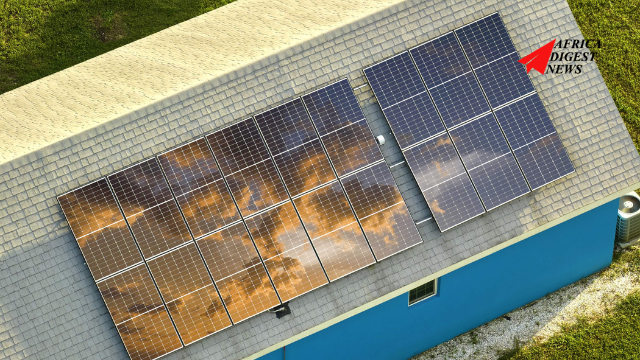
A solar system is only as dependable as its battery. Many homeowners obsess over solar panels because they are visible on the roof. In reality, the battery determines what happens after sunset. The battery is the engine of energy independence.
As electricity prices continue rising in Kenya and power interruptions remain a reality, more households and businesses are investing in battery storage. The challenge is that many buyers shop using price alone. That approach almost always produces expensive mistakes.
Solar battery prices in Kenya vary depending on three factors: battery technology, storage capacity, and lifespan.
Average Solar Battery Prices in Kenya
These are general market ranges in 2026.
| Battery Type | Capacity | Estimated Price |
| Lead Acid | 100Ah | KSh 12,000 – KSh 25,000 |
| AGM Battery | 100Ah | KSh 18,000 – KSh 35,000 |
| Gel Battery | 200Ah | KSh 30,000 – KSh 50,000 |
| Lithium (LiFePO4) | 5kWh | KSh 120,000 – KSh 200,000 |
| Lithium (LiFePO4) | 10kWh | KSh 250,000 – KSh 350,000 |
Prices fluctuate depending on brand, warranty, installation requirements, and whether the battery includes a built-in Battery Management System (BMS).
What Determines Solar Battery Pricing?
1. Battery Technology
Lead-acid batteries are cheaper upfront. Lithium batteries are more expensive initially but cheaper over time because they last significantly longer. Buying based on upfront price is one of the most expensive decisions people make in solar.
2. Storage Capacity
Capacity is measured in kilowatt-hours (kWh). A larger battery stores more electricity and costs more.
For example:
- 2kWh powers essential appliances.
- 5kWh suits an average family home.
- 10kWh suits larger homes and small businesses.
3. Lifespan
Cheap batteries become expensive when replaced every few years. Lithium batteries can exceed 6,000 charging cycles and often last between 10 and 15 years under normal use.
How Much Battery Capacity Does a Home Need?
This depends on energy consumption. A small home that only needs lights, a TV, internet, and phone charging may require 2kWh to 3kWh. A medium-sized home with a refrigerator, television, lighting, and moderate appliance usage may require 5kWh. Larger homes can require 10kWh or more. The right question is never, “What battery can I afford?” The right question is, “How much energy do I consume every day?”
Common Buying Mistakes
Avoid these errors:
- Buying batteries without calculating energy usage.
- Prioritizing price over lifespan.
- Mixing old and new batteries together.
- Buying oversized systems unnecessarily.
- Ignoring warranty periods.
Solar is a long-term investment. A battery purchased today will influence your electricity costs for the next decade. Choose accordingly.