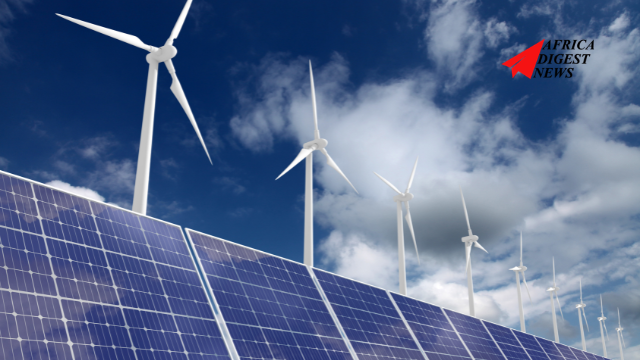
South Africa’s renewable energy sector is entering a new phase. After years of building wind and solar projects, attention is shifting from development to ownership, refinancing and asset sales. However, the country’s secondary market for renewable independent power producer (IPP) assets is still relatively underdeveloped. As more projects move beyond construction and into stable operation, developers and early investors are looking to recycle capital through partial or full exits. Yet finding buyers at the right valuation remains challenging, limiting the flow of capital into the next generation of renewable projects.
The hesitation is driven by several factors. Investors in operating assets are looking for predictable cash flows, secure offtake arrangements and limited regulatory uncertainty. Concerns around grid congestion, potential curtailment, transmission constraints and evolving electricity market reforms have made some buyers more cautious when assessing long-term project value.
This highlights a broader structural issue. South Africa’s first wave of renewable IPPs benefited from well-defined procurement programmes and long-term power purchase agreements. The secondary market, however, requires a different ecosystem—one built around transparent valuations, acquisition financing, refinancing options and confidence in the long-term performance of operating assets. A stronger secondary market is important because it allows capital to be recycled. When developers can successfully sell mature projects, they free up funds to build new ones. Without efficient exit opportunities, capital remains tied up in existing assets, slowing the pace of future renewable energy investment.
Read Also: Grid Gap in Focus as Southern African Utility Leaders Join AEW Power Africa Today
Strengthening this market will require continued progress on grid access, greater certainty around curtailment and market rules, improved financing products for acquisitions and refinancing, and a broader pool of investors with expertise in renewable infrastructure.
South Africa’s renewable energy sector is no longer defined solely by project development. It is increasingly becoming an asset management market. Building a deeper and more liquid secondary market will be an important step in ensuring that investment continues to flow into the country’s growing clean energy pipeline.