Africa’s solar boom is happening in a very different way from the traditional power-market model. Ember estimates that about three-quarters of the 17 GW of solar capacity Africa is set to install in 2026 will come from distributed solar, roughly 12–13 GW of rooftop, commercial and industrial systems and other customer-side installations.
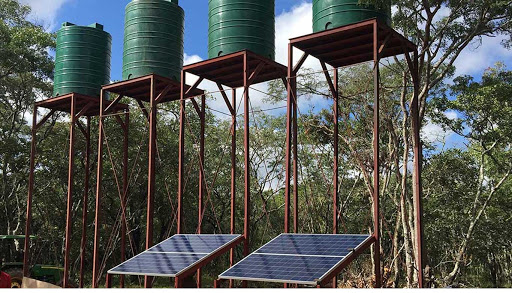
That shift is significant because distributed solar does not depend on a single utility building a massive power plant and connecting it to the national grid. Businesses can put panels on their roofs, factories can generate their own electricity, and communities can deploy smaller systems where grid power is unreliable or unavailable. Solar is therefore moving closer to where electricity is actually consumed.
The trend is not new. Ember and the African Tech Futures Lab estimate that Africa added about 26 GW of solar between 2023 and 2025, with roughly 20 GW coming from distributed systems. Only about 6 GW came from utility-scale and off-grid projects combined. In other words, distributed solar already accounted for roughly three-quarters of recent additions.
Read Also: Tanzania Overtakes Kenya as East Africa’s Installed Power Capacity Leader
Ember expects that pattern to continue in 2026. Of the projected 17 GW of new solar, around 12–13 GW could come from distributed installations, leaving roughly 4–5 GW for utility-scale and off-grid projects combined. The growth is also exposing a major weakness in Africa’s energy data: many of these smaller installations are not captured properly in official statistics, meaning the continent’s solar market could be considerably larger than government figures suggest.
The bigger story is that Africa may not be building its solar future from the top down. It is being built one rooftop, factory, business and mini-grid at a time. That changes the opportunity for banks, solar developers, equipment manufacturers and energy companies because the next phase of Africa’s solar market may be less about finding land for massive power plants and more about financing millions of smaller electricity systems.