Nairobi is set to host one of East Africa’s largest renewable energy gatherings as industry leaders, technology providers, investors, and policymakers converge for the 11th Solarexpo Kenya 2026 alongside the 13th Power & Energy Africa exhibition. Taking place from 29 to 31 July 2026 at the Kenyatta International Convention Centre (KICC), the event reflects the growing commercial momentum behind the region’s clean energy sector. More than a trade exhibition, the event provides a marketplace where renewable energy projects move closer to execution. Developers, engineering firms, equipment manufacturers, financiers, utilities, and commercial energy users use these platforms to establish partnerships, showcase new technologies, and identify investment opportunities that can accelerate project delivery across the region.
The timing is significant. East Africa has become one of Africa’s fastest-growing renewable energy markets, driven by rising electricity demand, declining solar equipment costs, expanding battery storage solutions, and increasing private-sector participation. Countries across the region are investing in utility-scale solar plants, commercial rooftop systems, mini-grids, and battery storage to improve electricity access and strengthen energy security. Kenya remains one of the region’s most advanced renewable energy markets. While geothermal continues to dominate the country’s renewable generation mix, solar energy is expanding rapidly across commercial, industrial, and residential sectors. Businesses are increasingly investing in rooftop photovoltaic systems to reduce electricity costs and improve resilience against rising power tariffs.
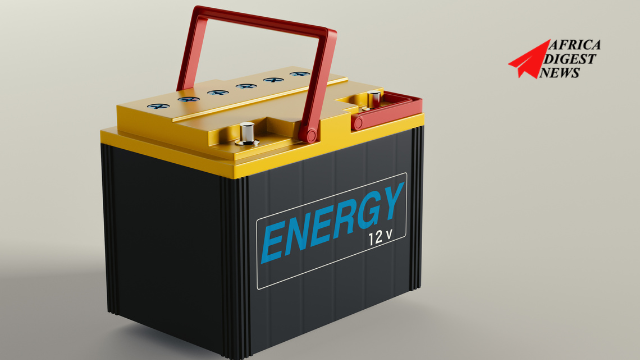
Battery energy storage is also expected to feature prominently at the exhibition. As more solar capacity is installed across East Africa, storage technologies are becoming increasingly important for improving reliability, managing peak demand, and integrating variable renewable generation into national electricity grids. The exhibition also highlights the growing maturity of the regional renewable energy supply chain. Rather than relying solely on imported expertise, East Africa is seeing greater participation from local engineering firms, project developers, installers, and service providers. This growing ecosystem supports faster deployment while creating opportunities for skills development and employment.
Read Also: Egypt and UK Expand Renewable Energy Partnership to Support Grid Modernization
For investors, industry events such as Solarexpo Kenya serve an important purpose beyond networking. They provide visibility into project pipelines, emerging technologies, financing models, and regulatory developments that influence investment decisions. As renewable energy markets mature, these interactions become increasingly valuable in moving projects from concept to financial close. The event also reflects Nairobi’s emergence as a regional business hub for clean energy. Kenya’s relatively developed financial sector, established renewable energy industry, and strategic location have made the capital an important meeting point for companies seeking opportunities across East and Central Africa.
As renewable energy deployment accelerates, the industry’s focus is shifting beyond policy discussions toward execution. Conversations increasingly center on project finance, engineering, battery storage, grid integration, procurement, and long-term operations, the practical elements required to deliver renewable infrastructure at scale. The significance of Solarexpo Kenya therefore extends beyond the exhibition halls. It demonstrates that East Africa’s renewable energy sector is becoming a more organized and commercially active market, capable of attracting technology providers, international investors, and industrial energy users. That growing ecosystem will play an important role in determining how quickly the region can translate clean energy ambition into completed projects.