Behind-the-meter (BTM) solar has reached a point where it can generate electricity at a lower cost than purchasing power from Eskom or municipalities. However, the economics change once battery storage is added to provide power after sunset or during outages. The result is a more nuanced picture than the simple claim that “solar is cheaper.”
Electricity costs for South African mines have risen sharply over the past decade. Since 2008, Eskom’s average electricity tariffs have increased by more than 600%, far outpacing inflation. The National Energy Regulator of South Africa (NERSA) approved further tariff increases of 12.74% for 2025/26, with additional increases of 5.36% and 6.19% scheduled over the following two years. For energy-intensive industries such as mining, electricity represents one of the largest operating costs after labour and equipment, and that has fundamentally changed investment decisions.
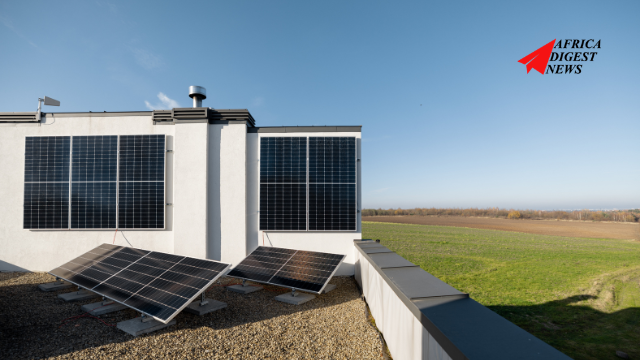
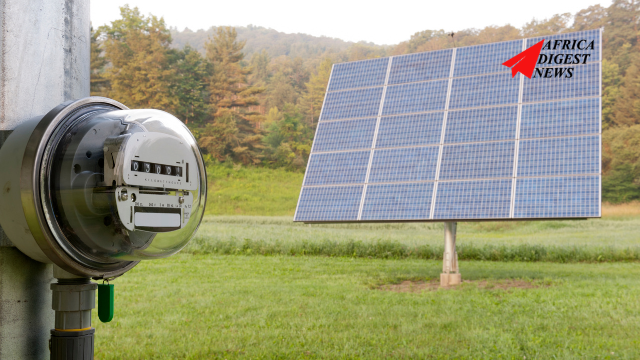
A behind-the-meter solar system generates electricity directly at the mine, avoiding transmission charges, distribution losses, and parts of the utility tariff structure. Recent studies of South African mining operations estimate that utility-scale embedded solar can deliver electricity at costs below many industrial grid tariffs, particularly where mines have strong daytime demand and sufficient land for deployment. The economics are driven by one simple fact: solar has no fuel cost. Once the plant is built, most of the remaining expenses are operations, maintenance, and financing, creating highly predictable electricity costs over a project life of 20 to 30 years.
The value proposition extends beyond electricity prices. Mining operations require continuous power for crushing and milling, ventilation systems, dewatering pumps, processing plants, hoisting equipment, and other safety-critical infrastructure. Even short interruptions can reduce production, increase equipment wear, and create safety risks. As a result, mines increasingly evaluate electricity projects using two metrics: the cost per kilowatt-hour and the cost of lost production. The second metric often carries greater financial weight.
Battery energy storage improves reliability but increases project costs. A solar-only installation typically produces the lowest-cost renewable electricity. Adding batteries allows excess daytime generation to be shifted into evening operations, reduces exposure to peak tariffs, and provides backup during outages. However, storage remains one of the most expensive components of a renewable energy system. Several South African studies conclude that grid-connected solar currently delivers stronger financial returns than fully battery-backed or off-grid systems for most mining operations, which helps explain why many projects adopt hybrid configurations rather than complete energy independence.
Instead of replacing the grid, many mines are reducing their dependence on it. The typical configuration now includes Eskom supply for baseload and overnight demand, behind-the-meter solar during daylight, limited battery storage for critical loads and peak shaving, and diesel generators reserved for emergencies. This approach minimises capital expenditure while improving resilience, while also providing flexibility as battery costs continue to decline.
Read Also: South Africa’s Renewable Energy Market Gets a New Insurance Facility
For mines operating primarily during daylight hours, embedded solar can already supply electricity below prevailing industrial tariffs. For operations requiring continuous 24-hour power, the financial case depends on how much value is placed on reliability. Where production losses from outages are significant, investing in battery storage may still produce a positive economic return despite higher upfront costs. In other words, batteries are often purchased not because they generate cheaper electricity, but because they prevent more expensive interruptions.
The bottom line is that behind-the-meter solar has become economically competitive for many South African mines. The strongest business case is not replacing the grid entirely, but reducing exposure to rising electricity tariffs and supply disruptions through hybrid energy systems. Solar lowers daytime electricity costs, the grid provides flexibility, and battery storage adds resilience. For most mining companies today, that combination offers the best balance between cost, reliability, and operational risk.