Malawi has commissioned its first standalone utility-scale battery energy storage system, marking a significant step in the country’s transition towards a more reliable and renewable-powered electricity network. Located at Kanengo in Lilongwe, the 20 MW / 40 MWh Battery Energy Storage System (BESS) has been designed to strengthen grid stability while making better use of Malawi’s growing renewable energy capacity. Although modest in size compared to battery projects being deployed in larger electricity markets, the system is expected to have an outsized impact.
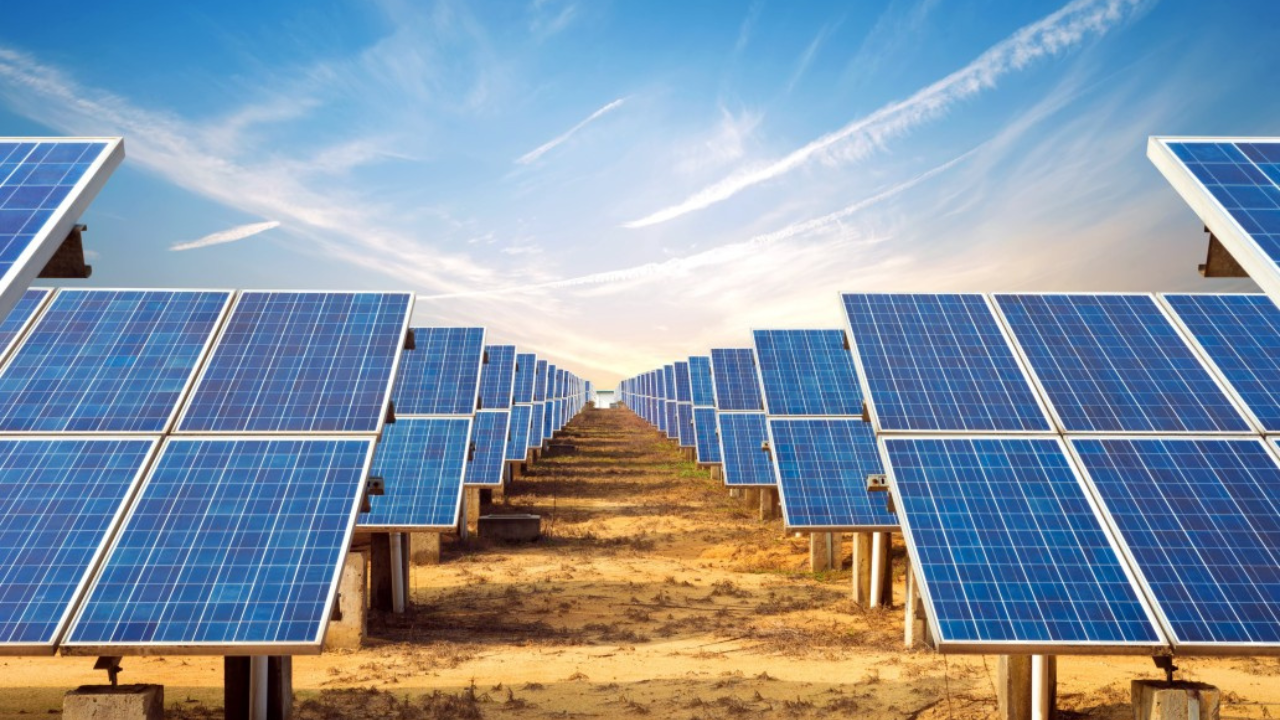
Rather than generating electricity, the battery stores excess renewable power when supply exceeds demand and releases it when the grid needs additional support. It also provides critical services such as voltage regulation and frequency control, helping the electricity network operate more reliably. One of the project’s biggest advantages is its ability to unlock approximately 100 MW of renewable generation that was previously constrained by grid limitations. Instead of curtailing excess solar generation during periods of high production, the battery allows that electricity to be stored and delivered later when demand increases.
Read Also: South Africa’s Home Batteries Are Becoming a Virtual Power Plant
The project was developed in partnership with Malawi’s state utility, ESCOM, and financed through a US$20 million grant from the Global Energy Alliance for People and Planet (GEAPP), alongside co-financing from the government and the utility. Engineering, procurement and construction were delivered by JIVO Energy. For Malawi, battery storage addresses challenges that extend beyond renewable integration. The country’s electricity system relies heavily on hydropower, making it vulnerable to droughts, changing rainfall patterns and climate-related disruptions. By adding flexible storage capacity, the grid becomes better equipped to manage fluctuations in both electricity supply and demand.
According to project estimates, the battery system could help improve electricity access and reliability for as many as 600,000 households, while reducing the duration of power outages by allowing the network to respond more effectively during periods of stress. The commissioning also reflects a broader shift taking place across African electricity markets. As renewable energy deployment accelerates, battery storage is increasingly becoming a strategic investment rather than an optional addition. Instead of simply building more generation capacity, utilities are investing in technologies that make existing renewable resources more reliable and improve the overall performance of the grid.