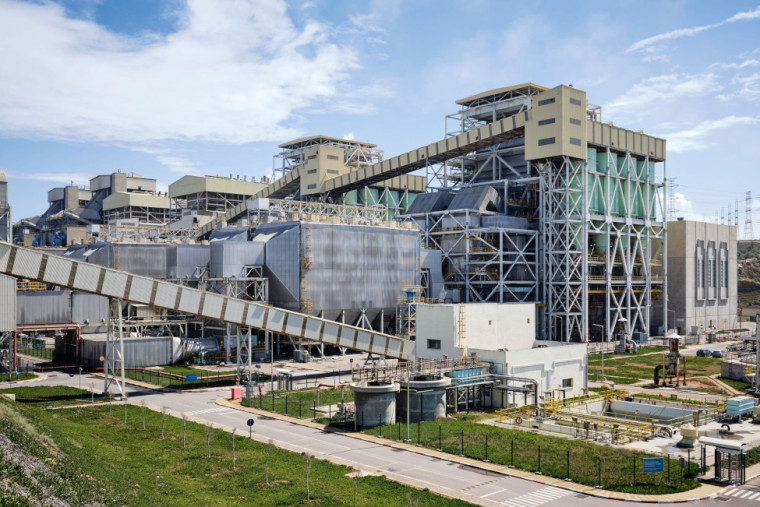
TAQA Morocco is planning one of the biggest expansions in its history, targeting around 8–8.6 GW of installed power capacity by 2030 from roughly 2 GW today. The strategy would reshape the company from a power producer centred on the Jorf Lasfar coal plant into a broader energy and water business, with renewables, gas-fired generation, desalination and transmission infrastructure becoming increasingly important parts of its portfolio.
Renewables sit at the centre of that expansion. TAQA Morocco is targeting roughly 4.8 GW of renewable capacity by 2030, mainly from wind with solar also forming part of the mix. Its pipeline includes the Boujdour wind project, where construction began in the fourth quarter of 2025 and commissioning is targeted for 2027, as well as an 800 MW renewable programme in southern Morocco designed to supply electricity for desalination and related infrastructure.
The expansion is not, however, a simple replacement of coal with renewables. TAQA Morocco expects around 1.8 GW of gas-fired combined-cycle capacity to form part of its future portfolio while its existing roughly 2 GW coal fleet remains during the transition. The company is therefore building a more diversified power system in which renewable generation is combined with dispatchable capacity, while new infrastructure is developed around the country’s growing electricity and water requirements.
Read Also: Why Egypt Is Linking Its Wind Boom to a Turbine Manufacturing Industry
That strategy also connects electricity generation to Morocco’s broader infrastructure buildout. TAQA Morocco is working with public and private partners on projects that could include up to 2.7 GW of low-carbon gas and renewable capacity, high-voltage direct-current transmission linking southern Morocco with central areas, and large-scale reverse-osmosis desalination. The southern renewable programme is particularly significant because it links new generation directly to water infrastructure, turning renewable power into an input for another critical infrastructure system.
The scale of the transformation will require substantial capital, with investment estimated at around MAD 40 billion (about US$4.2 billion) through 2030. TAQA Morocco has also established a financing framework with Japan Bank for International Cooperation to support energy, desalination and green infrastructure projects. The company’s 8–8.6 GW target therefore represents more than a capacity increase: it is an attempt to build a diversified power-and-water platform around Morocco’s next infrastructure cycle while gradually reducing the relative weight of its coal-based generation.


