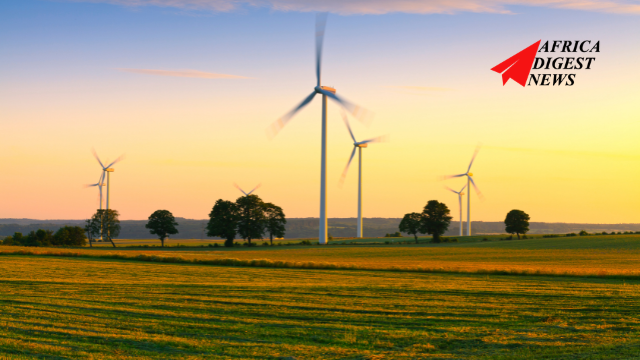
Searching for renewable energy stocks in Africa can be frustrating. Most investors imagine they will find an African equivalent of Tesla, NextEra Energy or Enphase Energy. That market largely does not exist yet. Africa’s energy transition is being built differently. The continent’s renewable energy sector is dominated by state utilities, private infrastructure funds, development finance institutions and privately held independent power producers.
For retail investors, direct investment opportunities remain limited. That does not mean opportunities do not exist. It simply means investors need to understand where renewable energy exposure actually sits.
Today, most investable opportunities fall into three categories:
- Electricity generators
- Utility companies
- International renewable energy businesses with significant African exposure
1. KenGen (NSE: KEGN)
Kenya Electricity Generating Company KenGen is arguably the closest thing East Africa has to a renewable energy infrastructure stock. The company operates geothermal, hydropower, wind and solar assets. Its biggest strategic advantage is geothermal energy. Kenya is one of the world’s largest geothermal producers and KenGen sits at the centre of that ecosystem.
Share price (June 2026): Approximately KSh 9.50 to KSh 10.00.
12-month performance: Approximately +45% to +55%, depending on the measurement date, driven by stronger investor interest in energy infrastructure and expansion plans.
Things investors like
- Dominant market position
- Geothermal growth pipeline
- Strong dividend history
- Strategic national importance
Risks
- Heavy government ownership
- Regulatory exposure
- Dependence on national energy policy
2. Kenya Power (NSE: KPLC)
Kenya Power is not a renewable energy company. It is an electricity distributor. That distinction matters. However, as Kenya’s electricity mix becomes increasingly renewable, Kenya Power indirectly benefits from the energy transition.
Share price (June 2026): Approximately KSh 9 to KSh 11.
12-month performance: Approximately +100% to +140%, making it one of the strongest performers on the Nairobi Securities Exchange over the period.
Things investors like
- Near monopoly position
- Growing electricity demand
- Ongoing market reforms
Risks
- Political influence
- Utility debt exposure
- Dependence on tariff approvals
Investors should understand they are buying a utility business, not solar panels.
3. Montauk Renewables (NASDAQ: MNTK)
Montauk is not African. It is South African-founded and listed on NASDAQ in the United States. The company focuses on renewable natural gas and renewable electricity generation. Its model revolves around capturing methane from landfills and converting it into energy.
Share price (June 2026): Approximately $1.66 per share.
12-month performance: Approximately -25%. Profitability pressures have weighed on investor sentiment despite stable revenues.
Things investors like
- Exposure to renewable natural gas
- International diversification
- Strong environmental thesis
Risks
- Earnings volatility
- Small market capitalization
- Dependence on environmental credit markets
What About Morocco’s Nareva?
Nareva deserves mention because it is one of Africa’s biggest renewable energy developers. The company has invested heavily in wind energy and is active across Morocco and other African markets.
However, retail investors cannot buy it on a public stock exchange. It remains privately held. This is one of the reasons African renewable energy investing remains difficult. Many of the continent’s biggest energy businesses are simply unavailable to ordinary investors.
The Bigger Investment Story
Africa’s energy transition is currently an infrastructure story, not a stock market story. The continent needs transmission lines. It needs batteries. It needs mini-grids. It needs geothermal plants. It needs billions of dollars of patient capital. Public equity markets have not fully caught up with that reality.
That will eventually change. As electricity demand grows, governments liberalize markets and independent power producers expand, more renewable energy businesses will likely find their way onto African stock exchanges. Until then, investors should resist the temptation to search for perfect renewable energy stocks.
They do not exist yet. Instead, focus on one question. Which companies will own the infrastructure that Africa cannot function without? That is where the investment opportunity is beginning to emerge.


