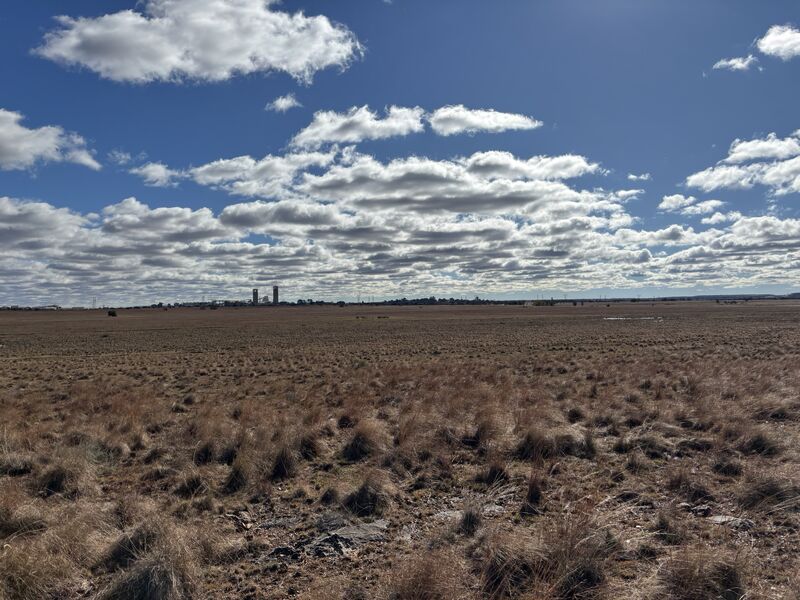
South African power developer Sturdee Energy is entering Zambia with a 200 MW wind project, but the bigger story is why wind is becoming more relevant in a country whose electricity system has historically depended heavily on hydropower. Sturdee has acquired the Masaiti Wind Project in Mpongwe District, Copperbelt Province, through its Zambian subsidiary Upepo Energy Zambia. The project is already at an advanced development stage, with land, permits and grid-interconnection work progressing, although it has not yet reached financial close.
Zambia’s problem is not simply that it needs more generation. It needs generation that does not depend on the same resource as most of its existing power supply. Droughts can reduce hydropower output precisely when electricity demand remains high, exposing businesses and households to shortages and higher costs. A 200 MW wind project would therefore add something Zambia’s grid needs: a different source of electricity. The project is planned to connect to a nearby 330 kV ZESCO transmission line, giving it a potential route into the wider Southern African Power Pool.
The Copperbelt also gives the project an interesting commercial angle. Sturdee could potentially sell power through a conventional PPA with ZESCO, into the SAPP market, or through bilateral agreements with mining and industrial customers. That matters because Zambia’s largest electricity users are concentrated around the Copperbelt, where mines need large volumes of dependable power. The project therefore has several possible routes to market rather than depending on a single buyer. But those options are not yet the same thing as signed revenue.
Read Also: Why Is Africa Installing 100,000 Solar Panels Every Day?
That distinction is important because the Masaiti project still has to cross the hardest line in renewable-energy development: financial close. Sturdee has acquired a project that is relatively mature on the development side, but permits and a grid connection do not automatically produce a bankable power plant. The project still needs financing, a credible offtake structure and the final development work before construction can begin. No project cost, lenders or construction timetable has been disclosed.
Sturdee’s entry is therefore less interesting as a company expansion story than as a sign of where Zambia’s power market may be heading. The country cannot keep treating hydropower as the answer to every new unit of electricity demand, particularly when climate and drought risks can affect the same generation base. Wind could become part of a broader system combining solar, batteries and hydro to provide a more balanced supply profile. The real test for Masaiti will not be whether Zambia can build 200 MW of wind, but whether it can turn that electricity into reliable, financeable power for the industries that need it.