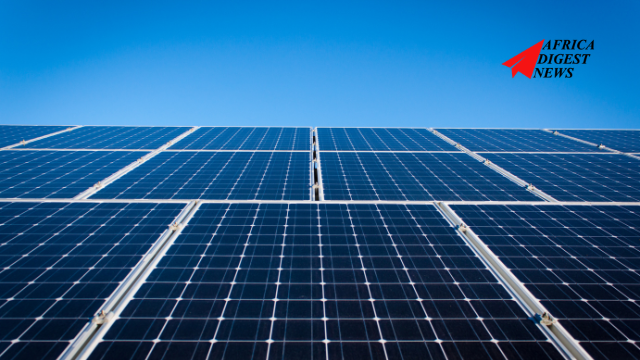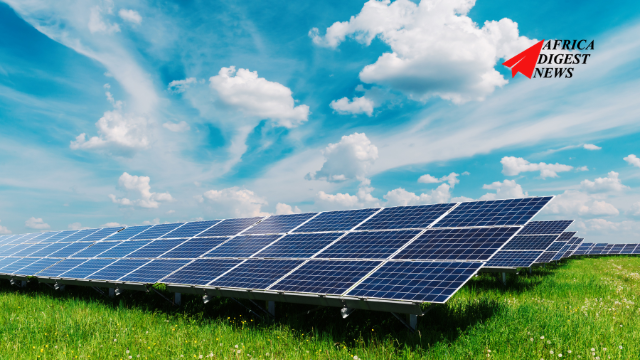
The debate over whether Nigeria should choose solar or gas often misses the real question. The lowest-cost power system depends on how electricity is used, not on which technology is more popular. For small and medium-sized facilities with high daytime demand, solar PV combined with battery storage is increasingly the most economical option. Falling solar panel prices, cheaper batteries, and lower maintenance costs have made hybrid microgrids competitive, especially where diesel and gas supplies are unreliable or expensive. Industrial parks, commercial campuses, hospitals, and smaller data centres often fit this profile. They benefit from lower operating costs, fewer fuel logistics, and reduced maintenance compared to fossil-fuel-only systems. Large industrial facilities tell a different story.
Operations that consume tens of megawatts continuously such as hyperscale data centres, manufacturing plants, and mining operations—require stable baseload power around the clock. In these cases, natural gas remains the more economical choice because gas turbines operate efficiently under continuous, high-capacity loads. Solar can still reduce fuel consumption during daylight hours, but it complements rather than replaces gas. The result is that energy planning is becoming less about choosing a single technology and more about designing the right mix.
Read Also: Mauritius prepares 405 MW renewable expansion as storage becomes central to grid stability strategy
Solar and batteries are well suited for variable and daytime-heavy demand. Gas is better suited for large, uninterrupted loads. Combining both often delivers the lowest overall cost while improving reliability and reducing fuel consumption. For businesses, the starting point is understanding their own electricity demand before selecting a technology. For investors, the opportunity lies in financing hybrid energy systems rather than betting exclusively on one source. For policymakers, the priority is enabling both technologies to work together instead of treating them as competing alternatives. The future of distributed power in Africa is unlikely to be all solar or all gas. It will be built around hybrid systems designed for the specific needs of each customer.