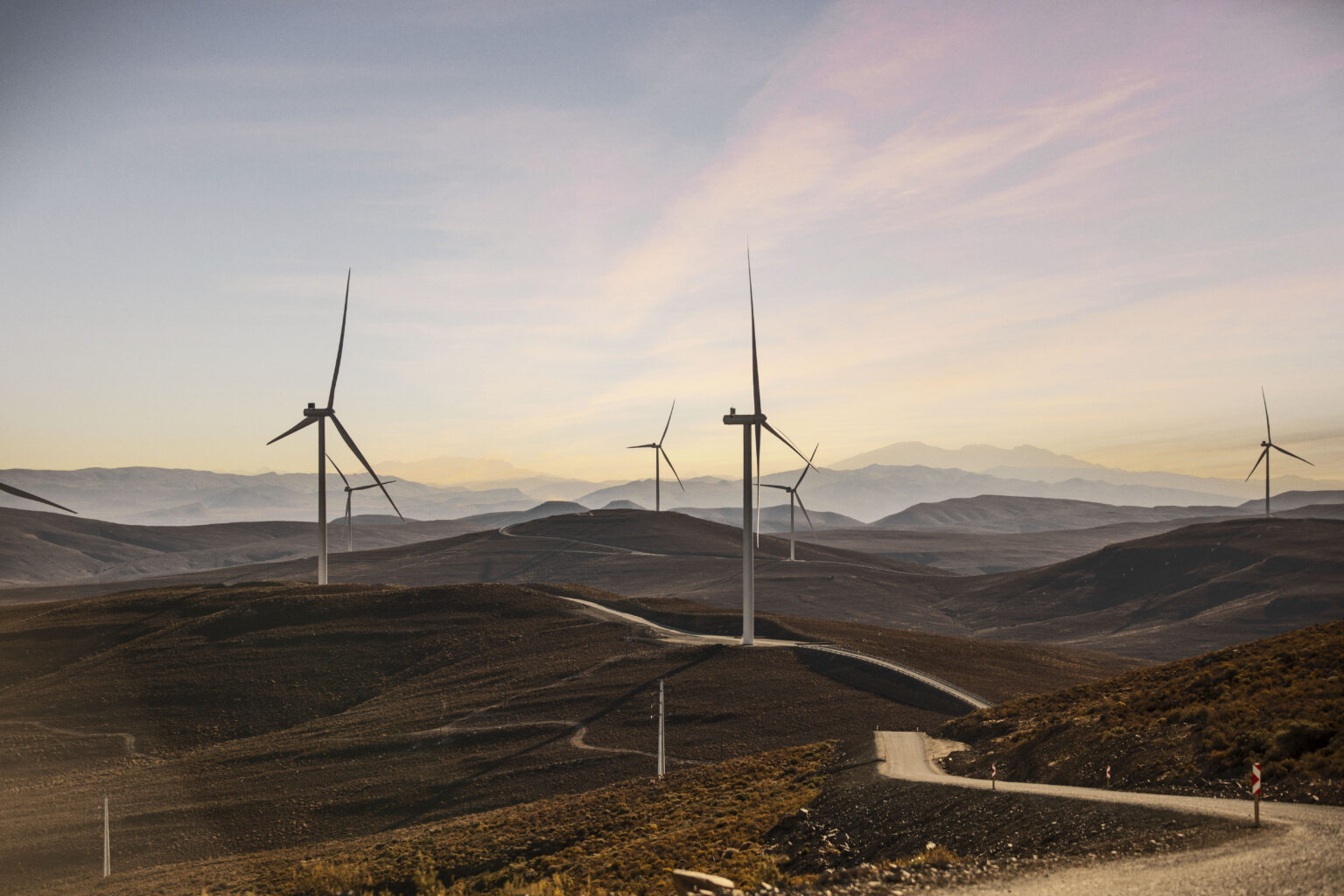
South Africa has taken another step in restructuring its electricity sector after Eskom’s board approved the establishment of Eskom Green, a ring-fenced renewable energy subsidiary that will focus on developing solar, wind, battery energy storage, hydro and pumped storage projects. The move is significant because it creates a dedicated platform for renewable energy investment within Africa’s largest power utility. Rather than housing clean energy projects within Eskom’s traditional operations, the new subsidiary is designed to operate with its own governance, investment strategy and project pipeline, making it easier to attract development finance and private-sector partners.
The timing is equally important. South Africa is rapidly expanding renewable energy capacity to address electricity shortages, replace ageing coal-fired generation and meet growing demand. Achieving those objectives will require billions of dollars in new investment over the coming years—capital that cannot come from the public sector alone.
Eskom Green is intended to help bridge that gap. By ring-fencing renewable energy assets and creating a clearer investment vehicle, Eskom can structure partnerships with independent investors, development finance institutions and commercial lenders while accelerating the delivery of new generation capacity. The model also reflects a broader shift taking place across African utilities. Rather than acting solely as electricity producers, utilities are increasingly becoming project developers capable of mobilising capital, managing partnerships and delivering bankable infrastructure.
Read Also: Grid Gap in Focus as Southern African Utility Leaders Join AEW Power Africa Today
If successfully implemented, Eskom Green could support a pipeline of utility-scale solar, wind farms, battery storage systems and repowering projects, while strengthening South Africa’s transition towards a more diversified electricity mix. The opportunity, however, lies beyond the announcement. The success of Eskom Green will ultimately be measured by the projects it delivers, the investment it attracts and the additional megawatts it brings onto the grid. Governance, execution speed and commercial discipline will determine whether the new subsidiary becomes a catalyst for renewable investment or simply another institutional reform.
The next phase of the transition will be driven by institutions capable of turning capital into operating power plants. Eskom Green represents an attempt to build exactly that institution. Whether it succeeds will depend on how quickly it can convert strategy into infrastructure.