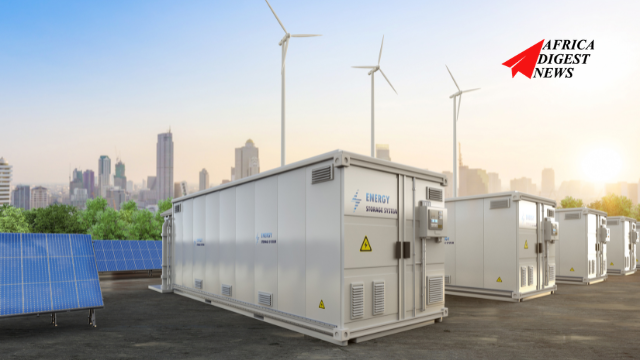
TotalEnergies has begun construction of one of South Africa’s largest integrated renewable energy projects, a 216 MW solar photovoltaic plant paired with a 500 MWh battery energy storage system (BESS). Once operational, the facility will supply electricity to Eskom and is designed to provide approximately 75 MW of dispatchable power continuously between 5:00 a.m. and 9:30 p.m.
The project demonstrates how utility-scale solar is evolving from intermittent generation into dependable grid infrastructure. Traditionally, solar projects generated electricity only when the sun was shining, leaving grid operators to manage fluctuations through conventional generation. Battery storage changes that equation. By storing excess solar energy during peak production hours and releasing it later in the day, the project can shift electricity to periods of higher demand, smooth power output, and provide a more predictable supply profile. For Eskom, that means renewable energy that is available when the grid needs it most, not simply when weather conditions allow.
This distinction is becoming increasingly important. South Africa’s electricity system requires not only additional generation capacity but also greater flexibility. As more renewable energy is added to the grid, storage is emerging as a critical technology for maintaining system stability, reducing curtailment, and supporting dispatchable power.
Projects such as this reflect a broader shift in renewable energy development. Success is no longer measured solely by installed megawatts. Increasingly, investors, utilities and grid operators are evaluating projects based on their ability to deliver reliable electricity during peak demand, improve grid resilience, and reduce dependence on expensive peaking generation.
The TotalEnergies development also signals growing confidence in South Africa’s renewable energy market. Large-scale hybrid projects combining solar generation with battery storage require substantial capital investment, sophisticated engineering and long-term revenue certainty. Their emergence suggests that both developers and financiers are increasingly willing to back integrated renewable infrastructure capable of meeting utility-scale performance requirements.
Read Also: Grid Gap in Focus as Southern African Utility Leaders Join AEW Power Africa Today
For Africa’s broader energy transition, the implications extend beyond South Africa. As electricity demand grows across the continent, future renewable projects are likely to incorporate storage from the outset rather than treating batteries as an optional addition. Hybrid systems can provide higher-quality electricity, improve grid reliability and make renewable generation more valuable to utilities and large industrial customers.
The energy transition is therefore entering a new phase. The conversation is about designing electricity systems that combine clean generation with the flexibility needed to deliver dependable power. The TotalEnergies project illustrates that shift. It is not just adding renewable capacity to the grid. It is adding renewable capacity that can be dispatched when it matters most.


